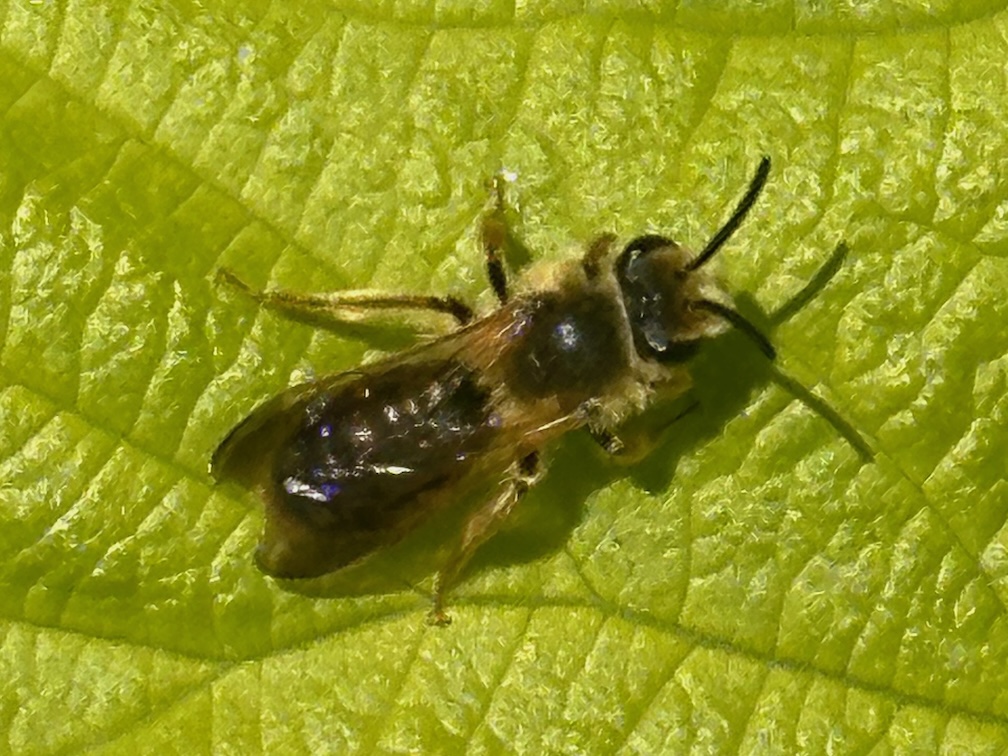
On our back deck just outside our kitchen window, we have a hops plant growing (profusely!) against and over a retaining wall. In the past few days, I’ve noticed that in the late morning hours (9:00 – 11:00 am) the plants leaves are swarmed by dozens of small bees. Curiosity peaked, I decided to see what was going on.
In the video below, you’ll see something I have never seen (or heard of) before–an elk feeding underwater, in a moving stream, no less. In my 35 years in Alaska, I observed many moose feeding this way, but almost always in ponds or lakes, never in a moving stream.
This video was taken in mid-June at the CSKT Bison Range, so I hesitated to includes it here as it’s not exactly local to our area. But I’m quite curious whether or not anyone else has observed this feeding behavior in elk. If you have, please leave a comment. And if you have any photos…
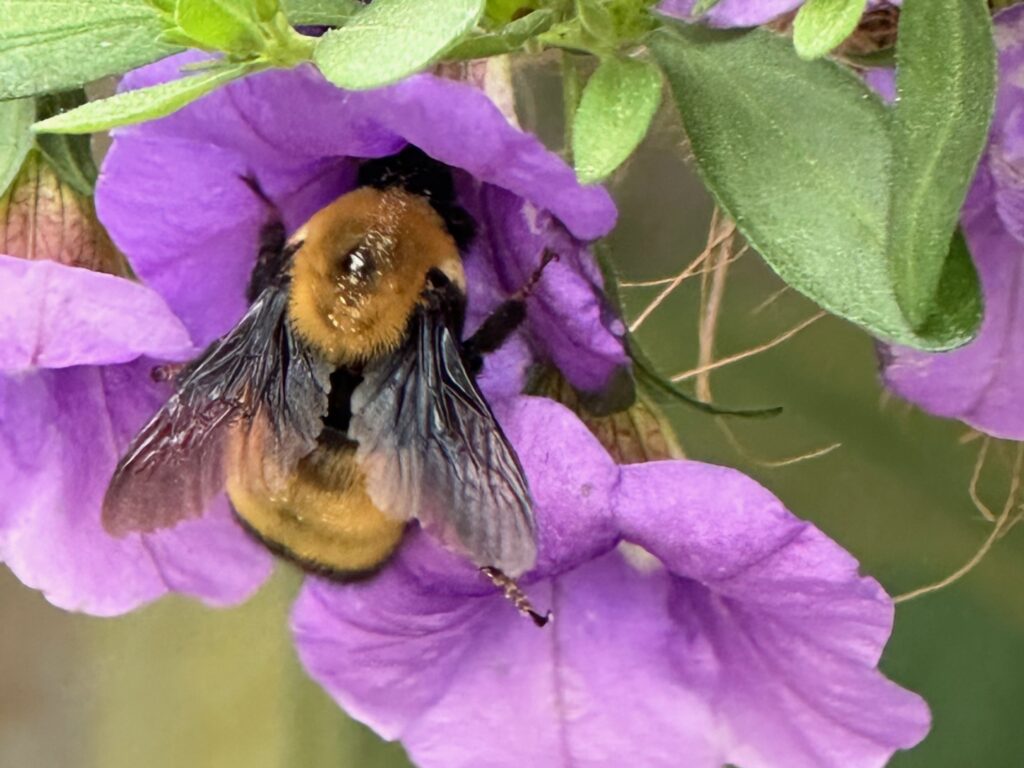
I love bees, so it’s always a treat to encounter a native species that is new to me. That was the case a couple of days ago with the Nevada Bumble Bee, when I first encountered several feeding on some creamy pea vine (vetch family) in Happy Valley and the next day on my back deck with her head deeply embedded in some petunias in some hanging flower baskets. They’re hard to miss–they’re very large (queens are nearly an inch long), have lots of dense yellow/orange fur on their thorax and abdomen, and their buzz is considerably louder than any other species I have encountered. Males and females are very similar except that the females and queens have black heads, whereas the males have yellow heads. That’s why I think the bee pictured below is a female, possibly a queen given her size.
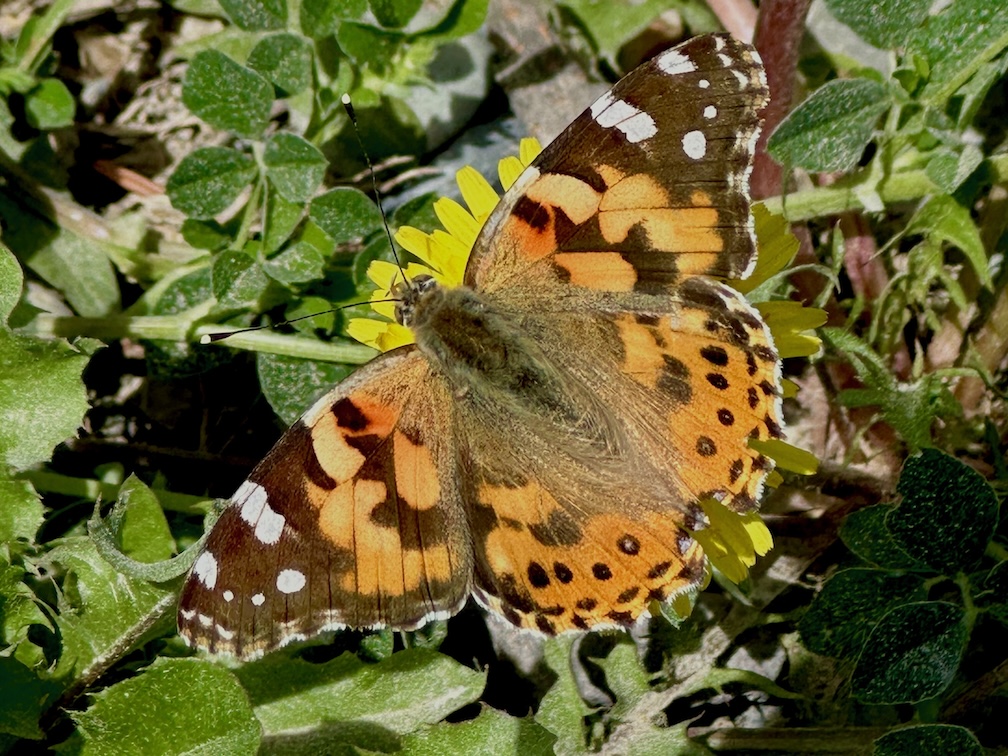
Butterflies are often difficult to photograph, so I was pleased to finally get a good opportunity to photograph a Painted Lady butterfly. Looking back over my collection of butterfly photos, I realized that this was the first I had ever photographed, and likely one of the first I have ever positively identified, perhaps due to their general resemblance to several other local species such as crescents, tortoiseshells, and checkerspots when they are not standing still, which is most of the time.
Painted Lady Butterfly
That prompted a little research into the species, which yielded some interesting information.
English Inquiry Project by Sawyer S., West Valley School
What is a pollinator and what positive effects do they have on us humans?
What is a pollinator? This is something one may ask themself but not truly know. A pollinator is anything that carries pollen from the stamen to the stigma. This transfer must happen for the plant to produce. From squash to wheat, this is necessary for production. When someone says pollinator, one generally thinks of bees but this is not always the case. Pollinators include wind, water, bees, wasps, moths, butterflies, birds, and even small mammals including bats.
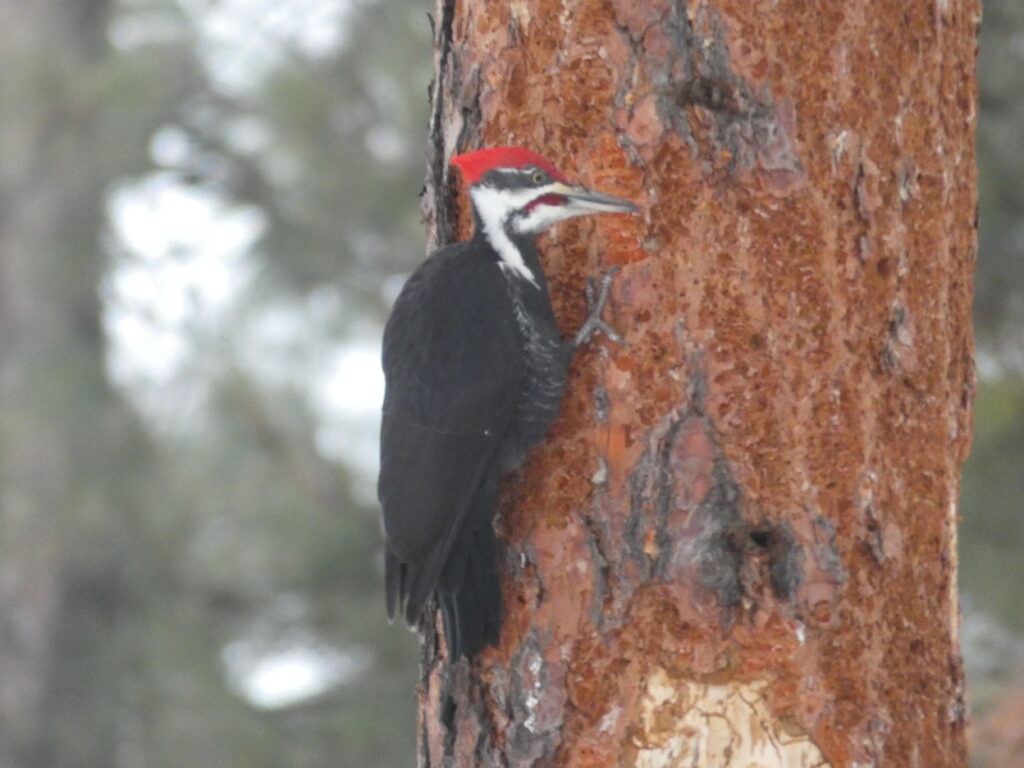
American three-toed Woodpecker P.dorsalisBlack-backed Woodpecker P.arcticus
The above woodpeckers have been seen in the West Valley with increasing frequency in the last few years. To learn more about these unusual birds and why they are here, read on.
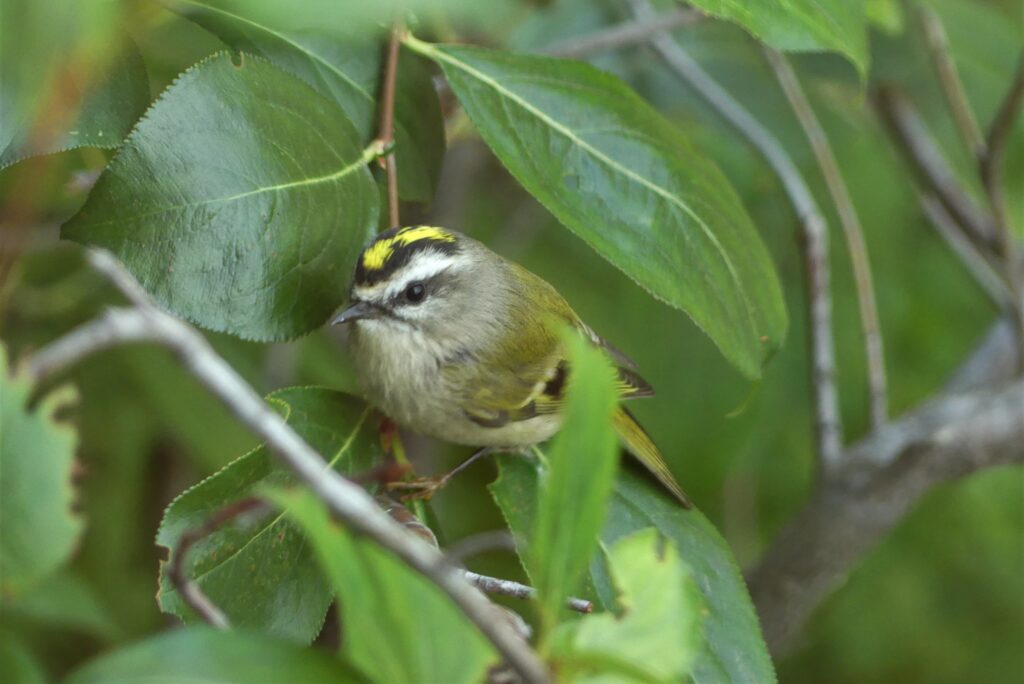
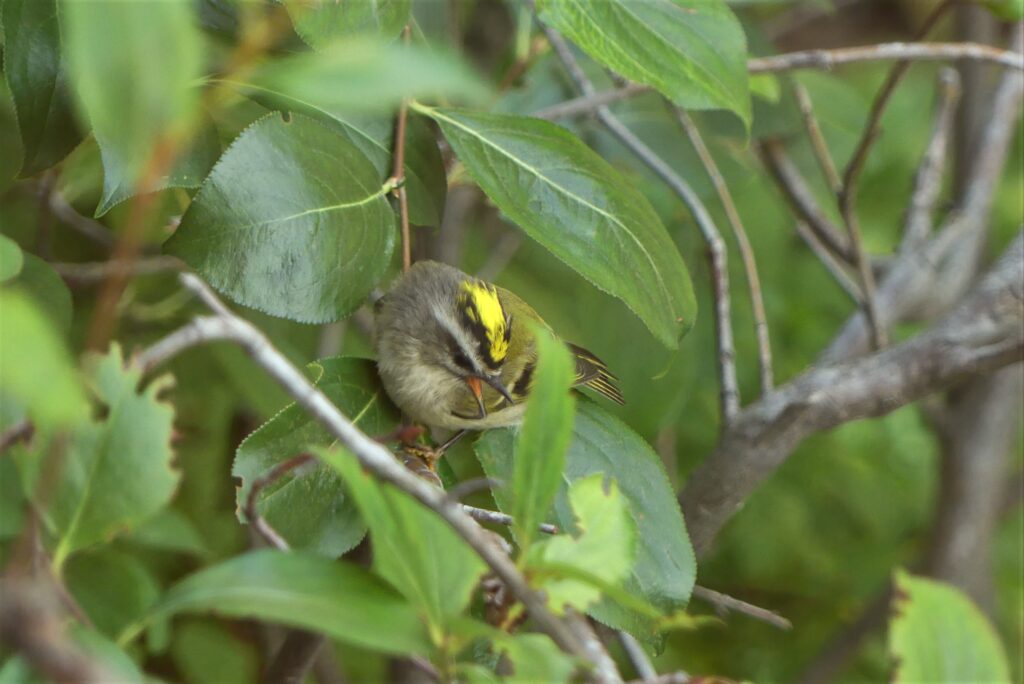
The Golden-crowned Kinglet is a permanent resident of conifer forests in our area. Regulus comes from Latin, meaning “little king”; satrapa is of Greek origin, meaning “ruler who wears a golden crown”. Males have a patch of orange feathers between the yellow, but they rarely display them. I’m assuming this one is a female, but it’s possible it’s a male in a peaceful mood!
At only a half-inch longer than our smallest bird, the Calliope Hummingbird, and weighing a mere .2 of an ounce, it’s no wonder we don’t see this little one very often. This high-energy little insectivore usually travels with others of its kind seeking food. They hover at the ends of twigs to gather microscopic mites, aphids, and aphid eggs; in summer their choice of insects is greater, and they occasionally find fruit to add to the protein sources. In winter, their most nourishing food is inchworms, the caterpillar of the geometrid moth, that they find frozen to twigs – mostly of conifers, but occasionally on maples, too.
The female Golden-crowned Kinglet constructs a hammock-like nest of moss, lichen, spider silk, rabbit hair, twigs, feathers, and other plant materials. Then she lays 8 to 11 bee-sized eggs in two layers, using her warm legs to incubate the lower layer! Usually, birds with a low success rate in raising young or migrating have big broods; Golden-crowned Kinglets’ survival challenge is overwintering in our cold climate on a low carbohydrate diet.
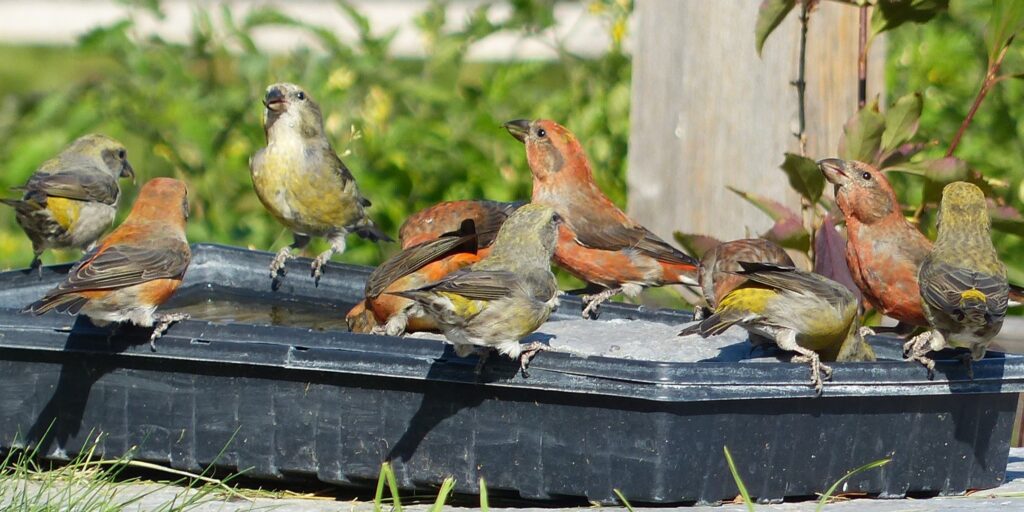
A few of the flock of Red Crossbills at their daily visit for water 10.02.2020
The only species in the world with crossed bills and many other unique traits that are under scientific scrutiny, Crossbills visit our valley sometimes during periods of heavy cone crops on our Douglas fir and Ponderosa pine trees. Though I rarely saw them feeding on cones during the summer of 2020, a flock of Red Crossbills and Pine siskins made daily visits to our yard for water. The rustle of taffeta petticoats alerted me to their arrival as they landed in the larch trees behind the water pans by the garden. The brown-striped attire of juvenile Crossbills gave me some difficulty distinguishing them from the ever-present Pine Siskins when many of them landed in the water pan at once! Read on for more about these colorful, entertaining, unique birds!
Snakes usually take us by surprise when we are walking along a path or across the lawn. They may register at first as a stick in the path, but our brain suddenly alters the message and I jump as the “stick” slithers away. Here are some different snakes I have encountered in the West Valley.
Last September I put together an article–West Valley Bee and Bee–about building a bee hotel and developing a native pollinator garden around it to encourage native bees. Here’s a quick update.
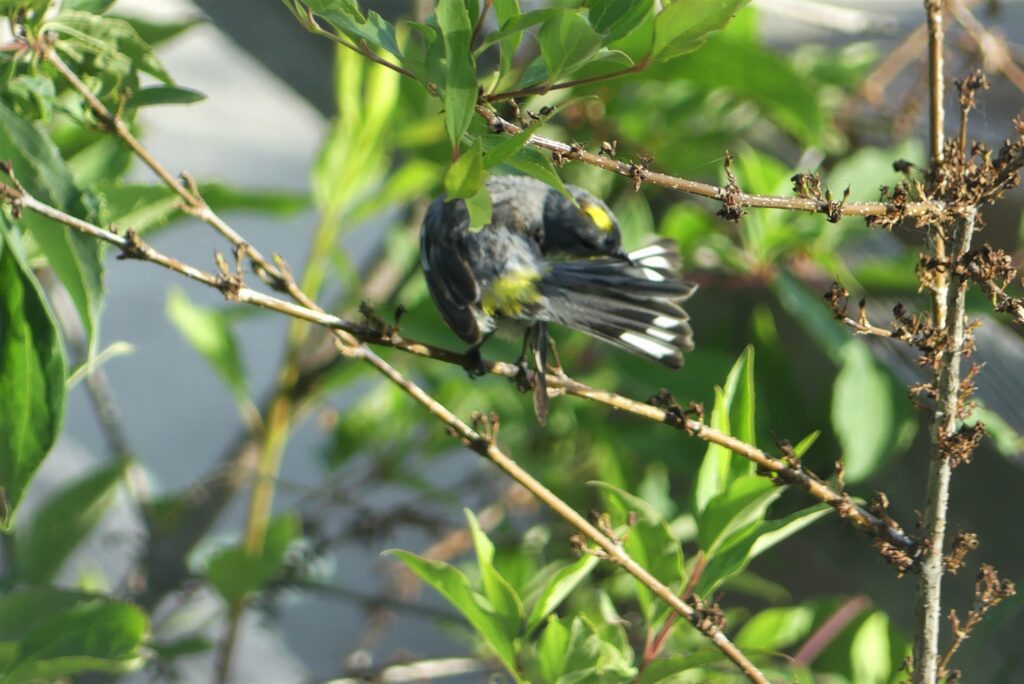
Members of the Wood-Warblers’ family, Yellow-rumped Warblers are one of the earliest Warbler species to arrive in the West Valley. There are two main populations: “Audubon’s” breeds mainly in the mountains of the western U.S. and into British Colombia; “Myrtle” breeds from the eastern U.S. across Canada to Alaska.
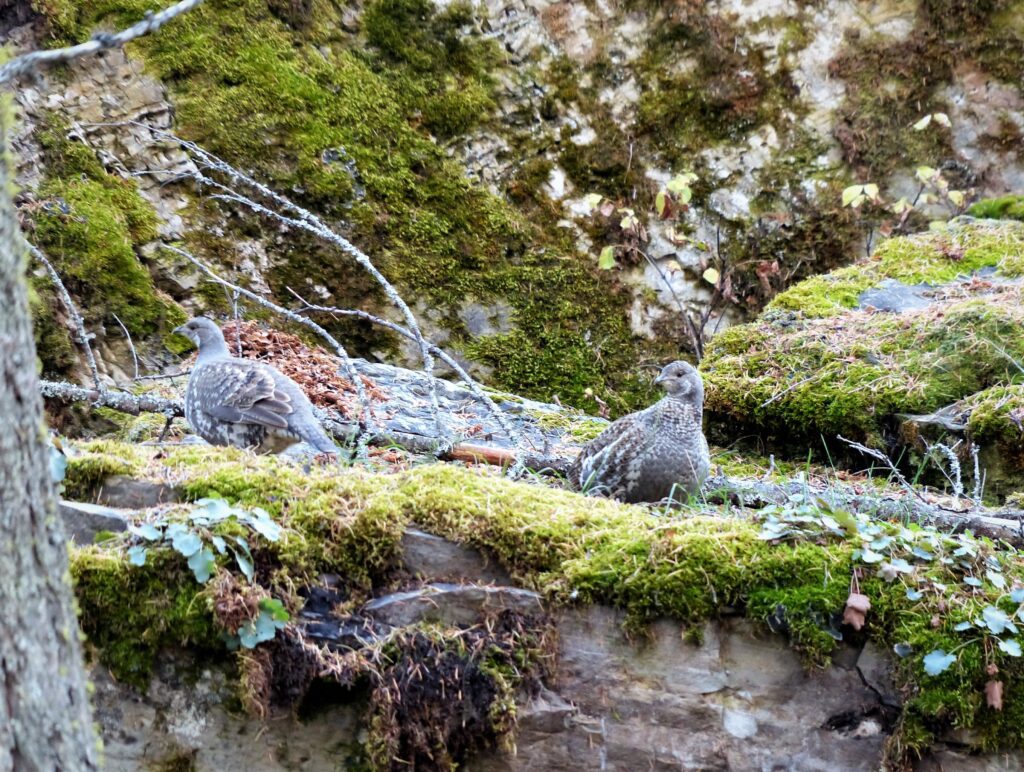
NOW, we’ve finished with all the non-native game birds; in Part III we’ll cover the native Montana game birds. Read on for more about Dusky Grouse, Ruffed Grouse, and Spruce Grouse.
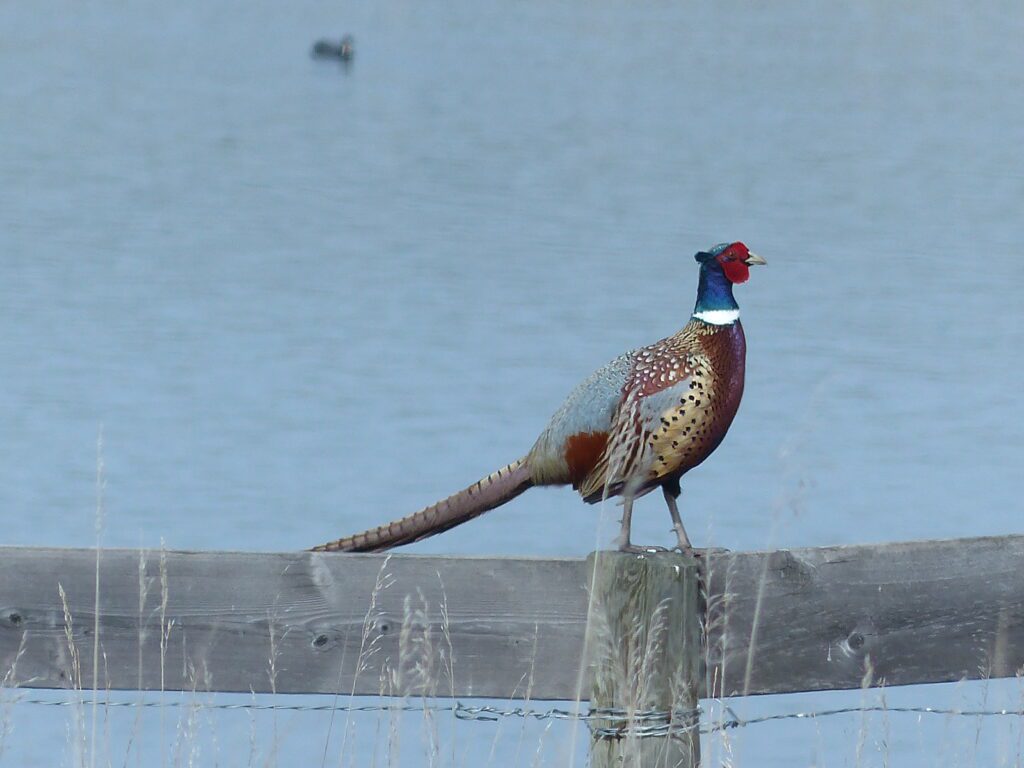
Ring-necked Pheasants (Phasianus colchicus), native to China, were introduced to Montana prior to 1895. The male pheasants, flamboyantly-feathered birds with crazy-quilt plumage, are easily recognized and quite commonly seen near water, around feed lots, in hedgerows, and even in our backyards. The ground-nesting females have mottled brown colors that camouflage them as they incubate a dozen eggs at a time and tend one or two clutches of chicks per summer. Read on for more pictures of Pheasant activity and other non-native game birds we may see.
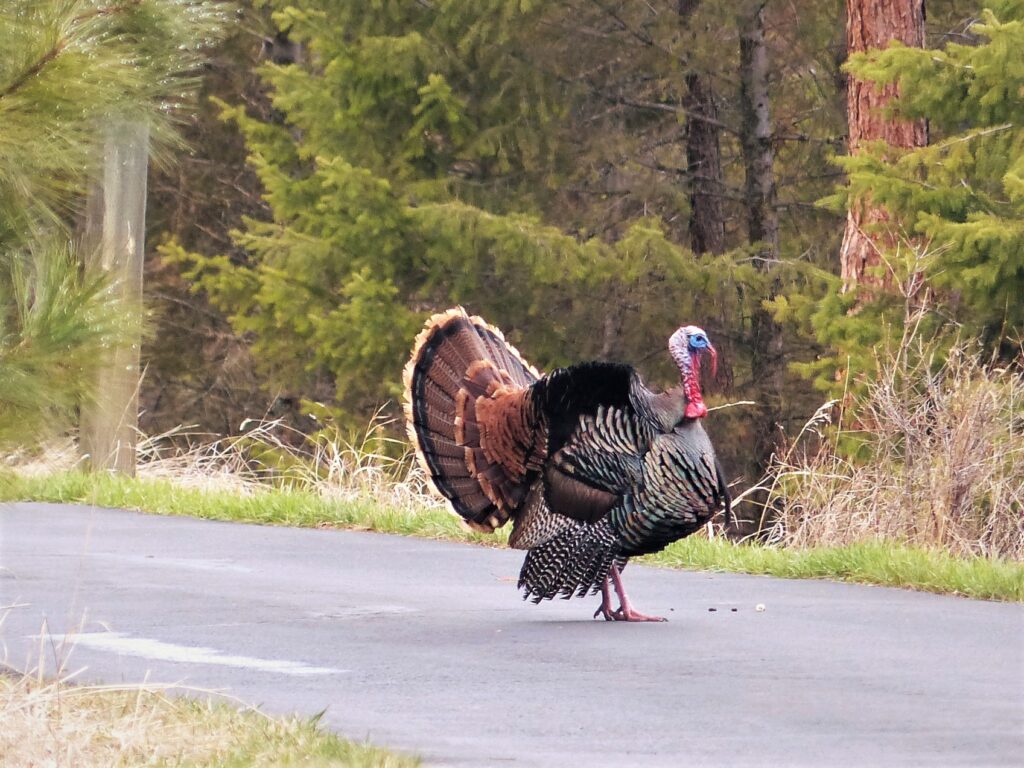
We have seven species of Upland Game Birds in our area: Wild turkeys; Ring-necked Pheasants; Hungarian (Gray) Partridge; Ruffed Grouse; Blue Grouse; and Chukar Partridge. As noted in discoveringmontana.com, prior to the 1950’s, upland bird hunting was not well-managed in Montana. Popular game birds were heavily hunted to the point that populations began to suffer. Starting in the ’50’s, it was recognized that limiting hunting would allow these species and their habitats to be self-sustaining and healthy. Today, Montana Fish, Wildlife, and Parks controls and monitors hunting and harvesting upland bird species.