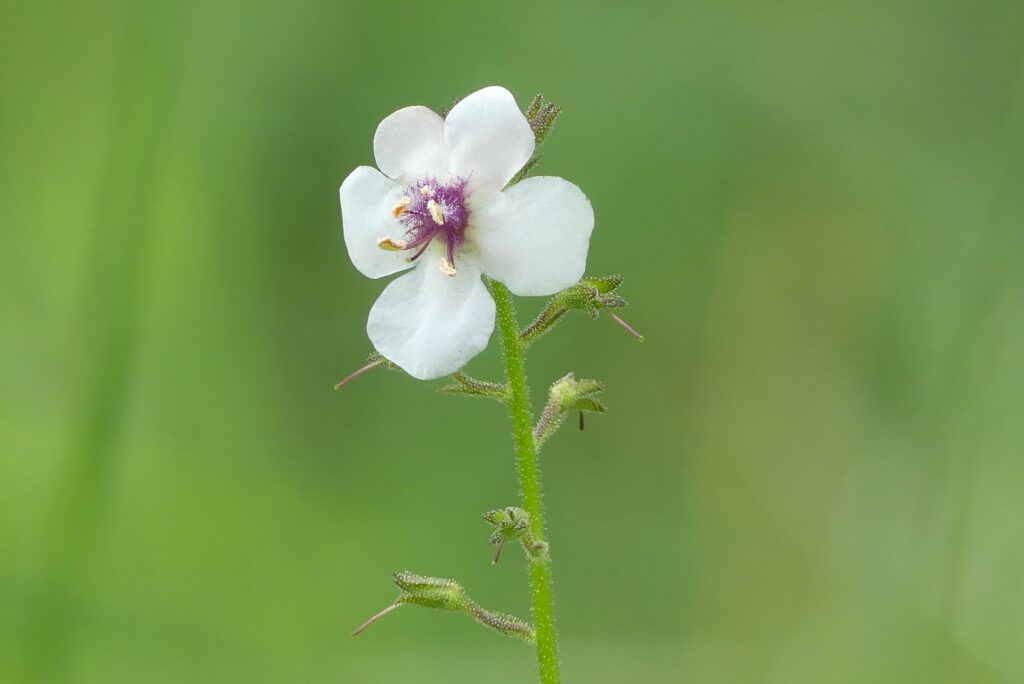
There are two species of Mullein in the West Valley; both are non-native plants with potential for spreading extensively. Read on to see images of both and to learn about their characteristics.
Spiders can be called creatures of one summer that hatch or emerge from diapause as the weather warms and reach maturity in late summer. These predatory insects employ various means to capture their prey.
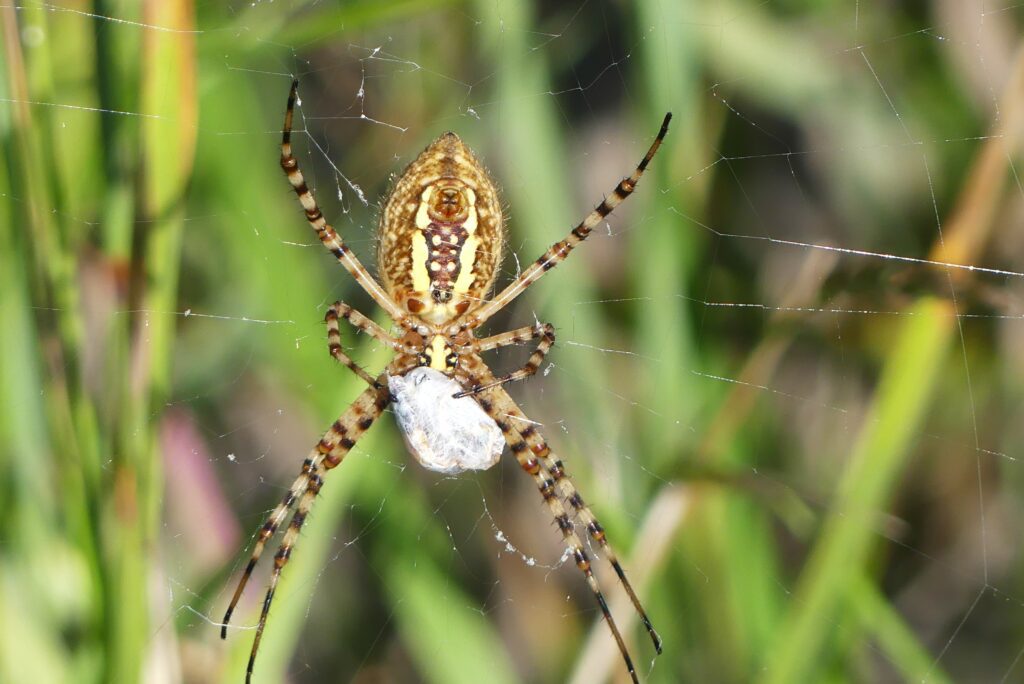
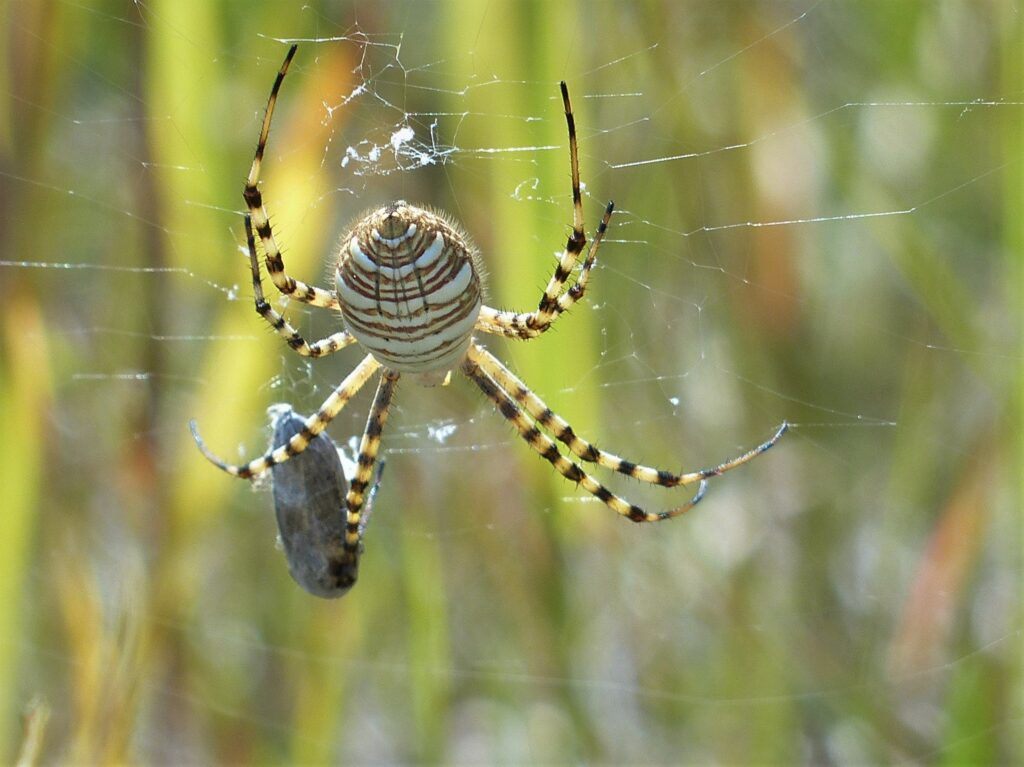
The large Banded garden Spider lays in wait at the edge of the web; when it senses an insect in their web, it attacks with a bite that stuns the prey and liquifies their inner parts. It encases the stunned insect cocoon-like before devouring the liquid nutrients.
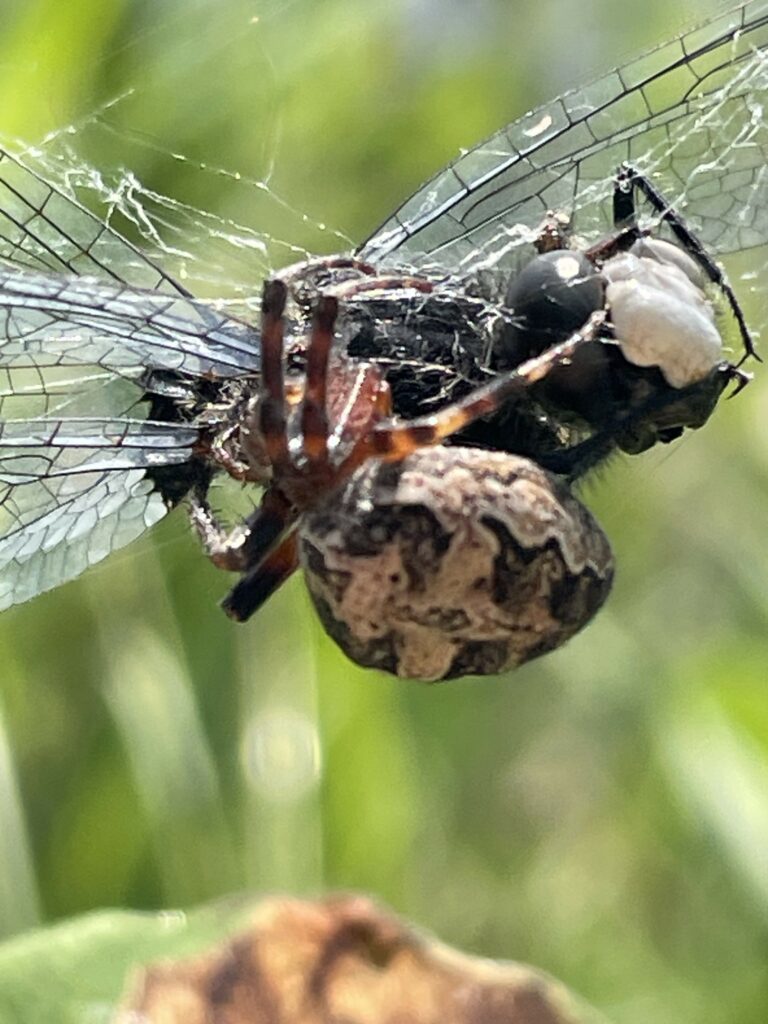
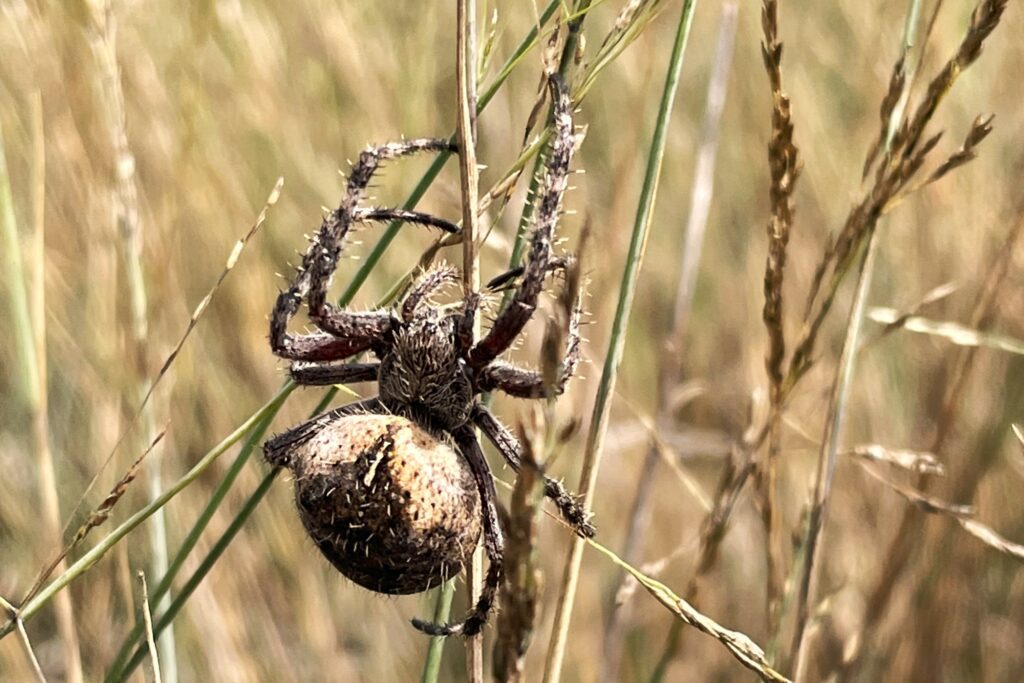
Bordered Orb weaver Spider with dragonflyOrb Weaver in grass
All of the above Orb weavers catch their prey in a trap they spin.
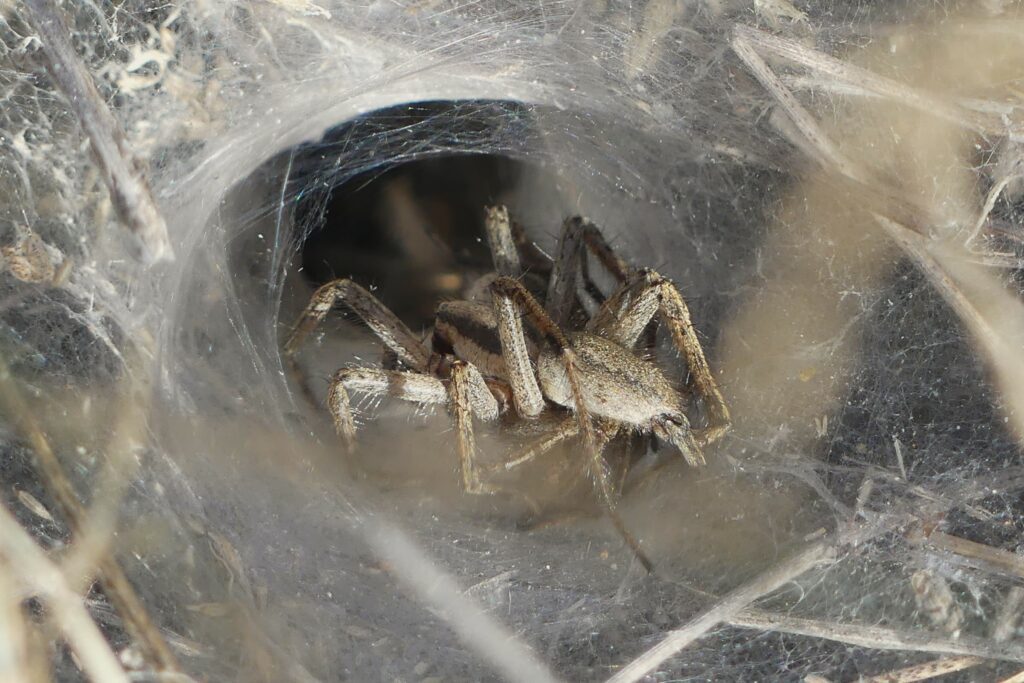
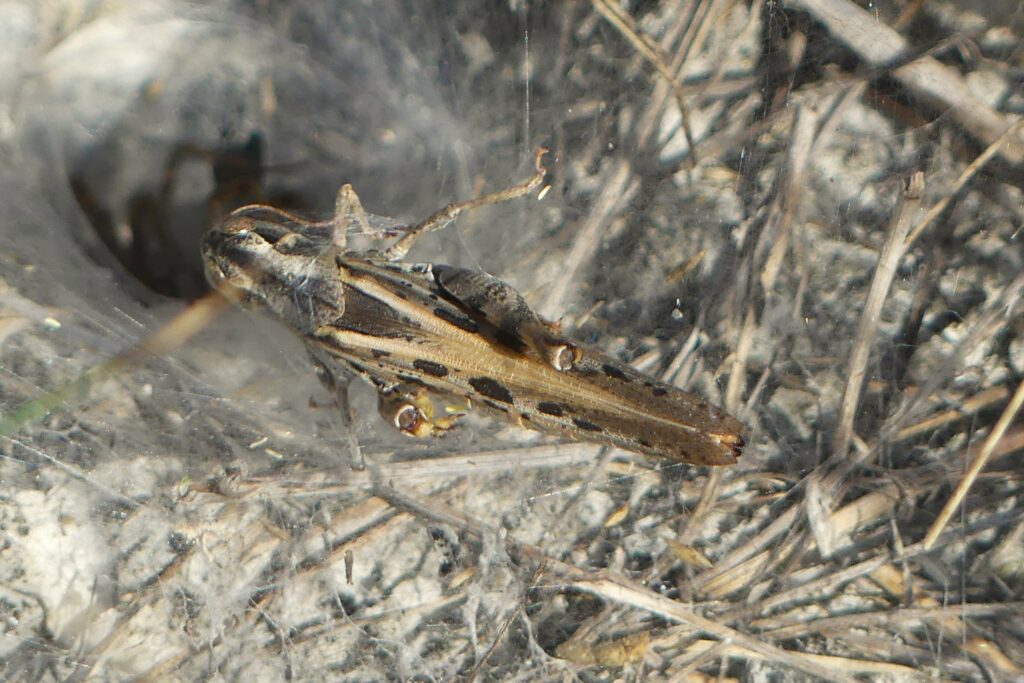
Funnel-web Spider Clear-wing Grasshopper in funnel web
The Funnel-web spider spins a sheet-like web shaped like a funnel on the ground. The spider usually lies in wait at the end of the tube; when an insect becomes entangled, it pulls the prey down into the ground where it devours it.
White-banded Crab Spider
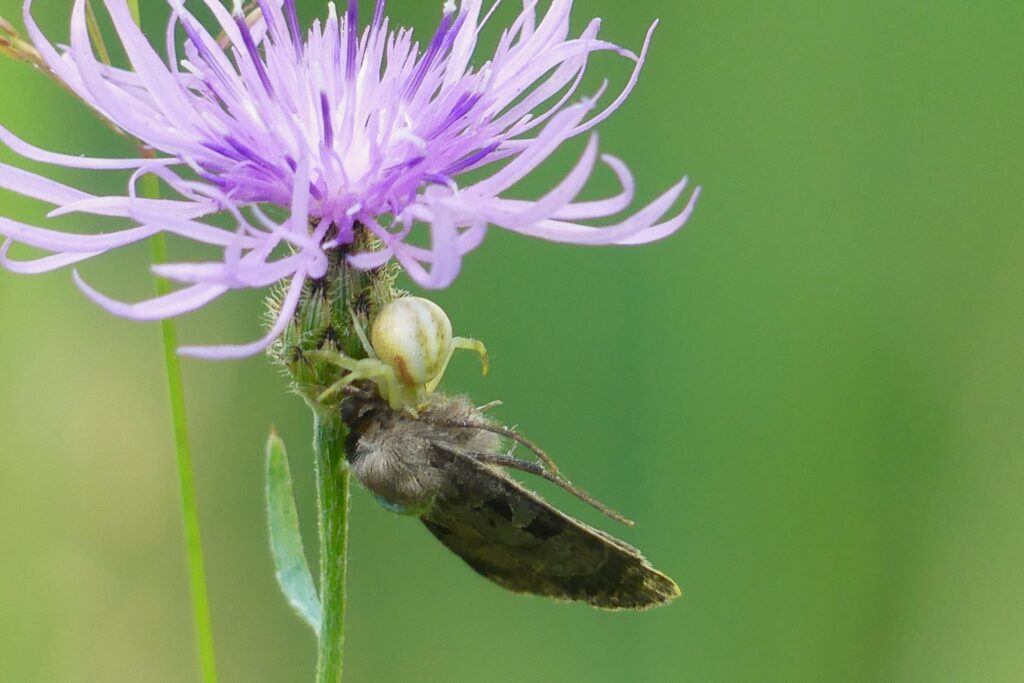
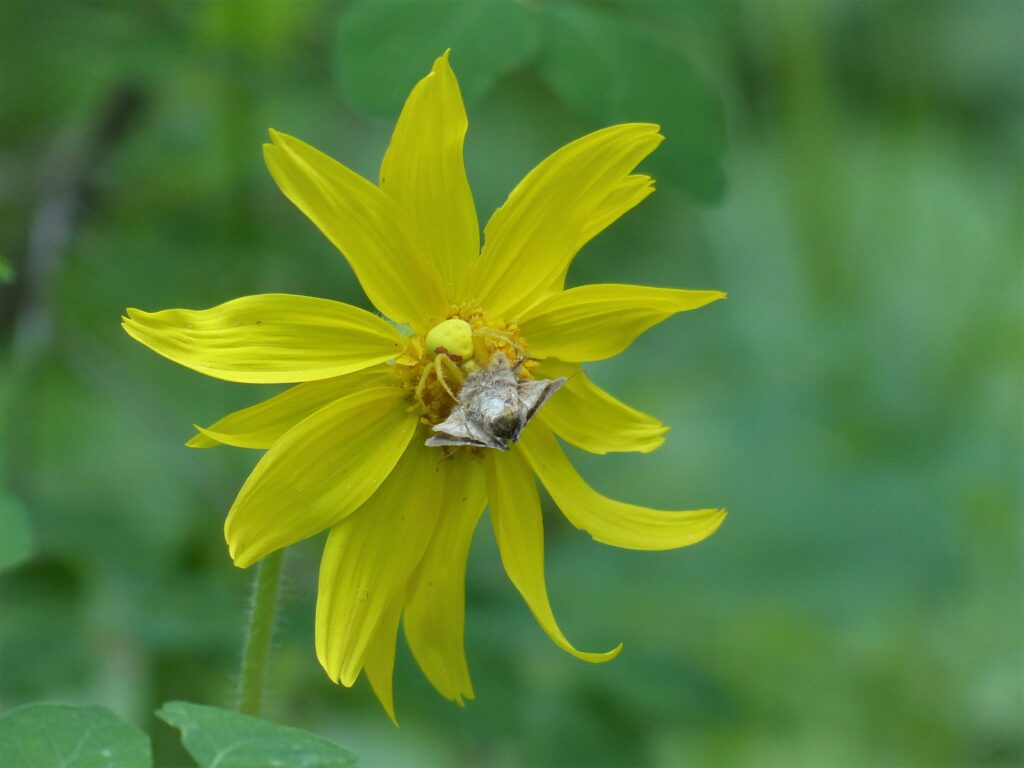
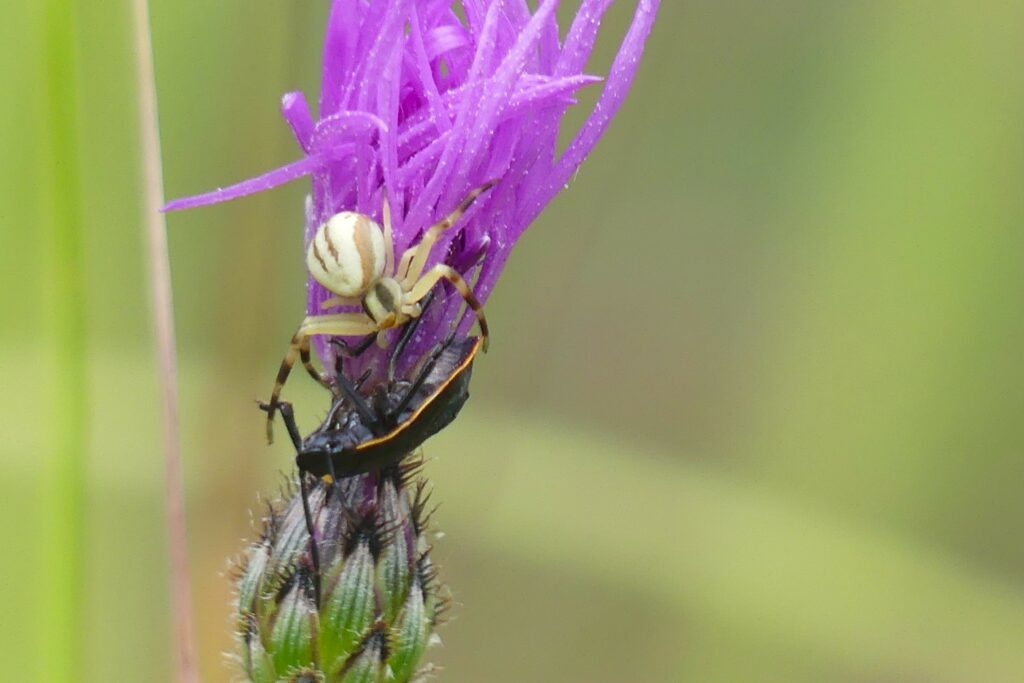
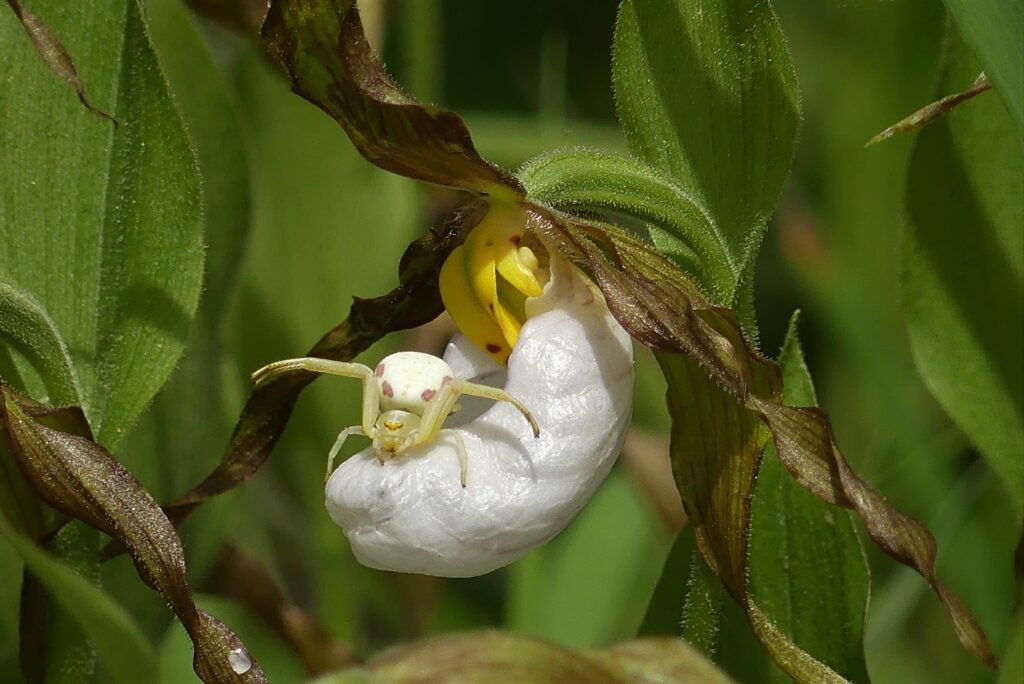
Crab spiders, sometimes called ambush bugs, lie on a flower in wait for an insect to visit the plant. When the visitor becomes engrossed in its work, the Crab spider dashes in and paralyzes the insect with venom in its bite.
Goldenrod Crab Spider with mothGoldenrod Crab Spider with Bordered plant bugMountain Lady’s Slipper with Goldenrod Crab Spider
Goldenrod Crab spiders are able to change color to match the flower it chooses. It takes a few hours after it arrives at the flower where it will spend time in wait. Most of the Goldenrod Crab spiders I have seen were colored like the one on the Spotted Knapweed, regardless the color of the flower.
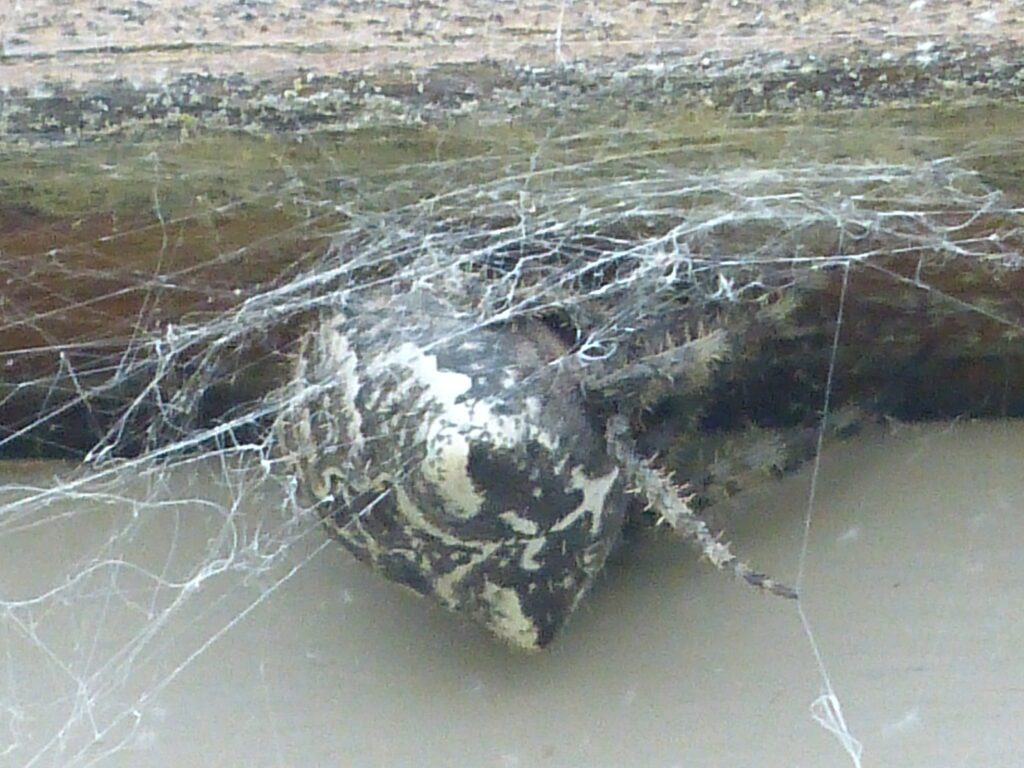
Cat-faced SpiderCat-faced Spider in web
The Cat-faced spider at right was gone the next time we checked this web site under a window sill. In its place was an egg sac. These spiders die after laying their eggs, just before a hard frost. The eggs will hatch in spring and live to predate on other insects around the house.
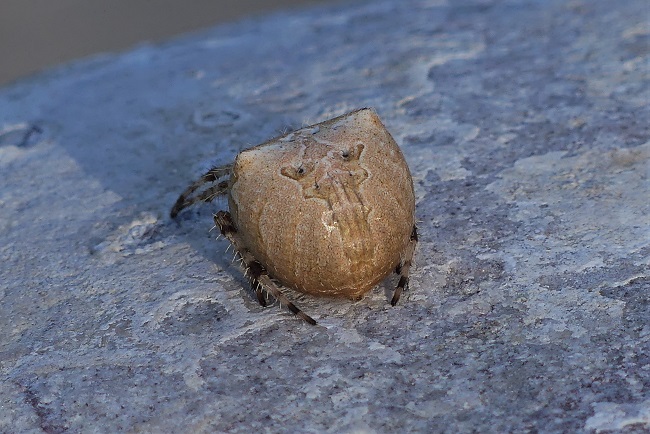
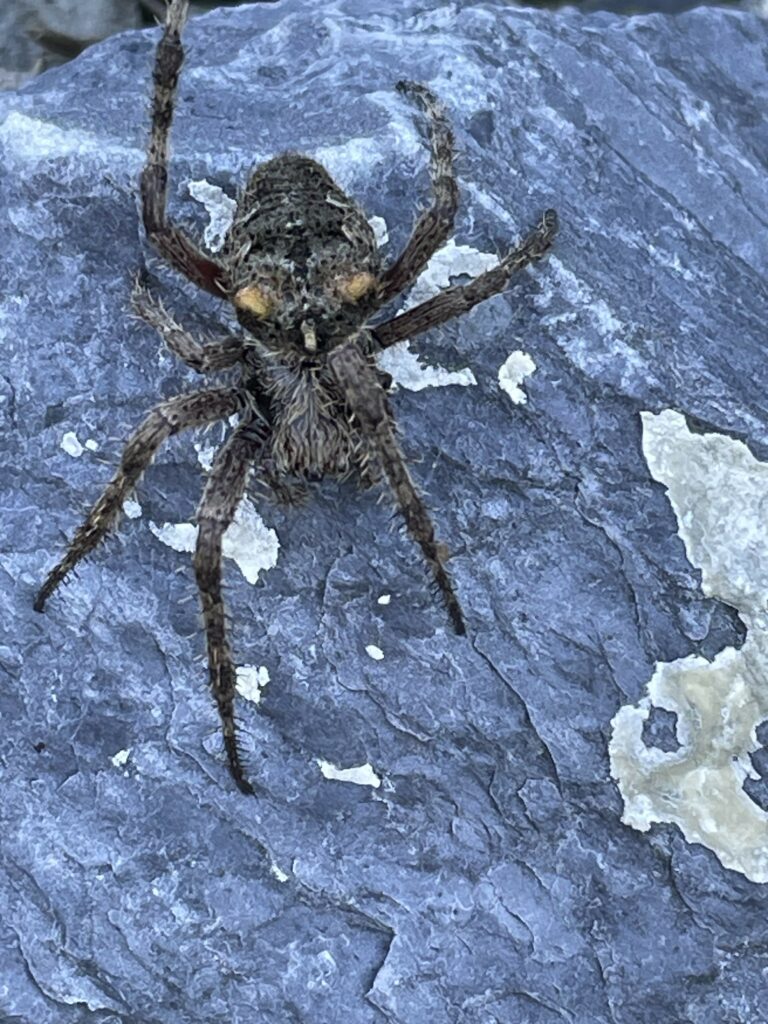
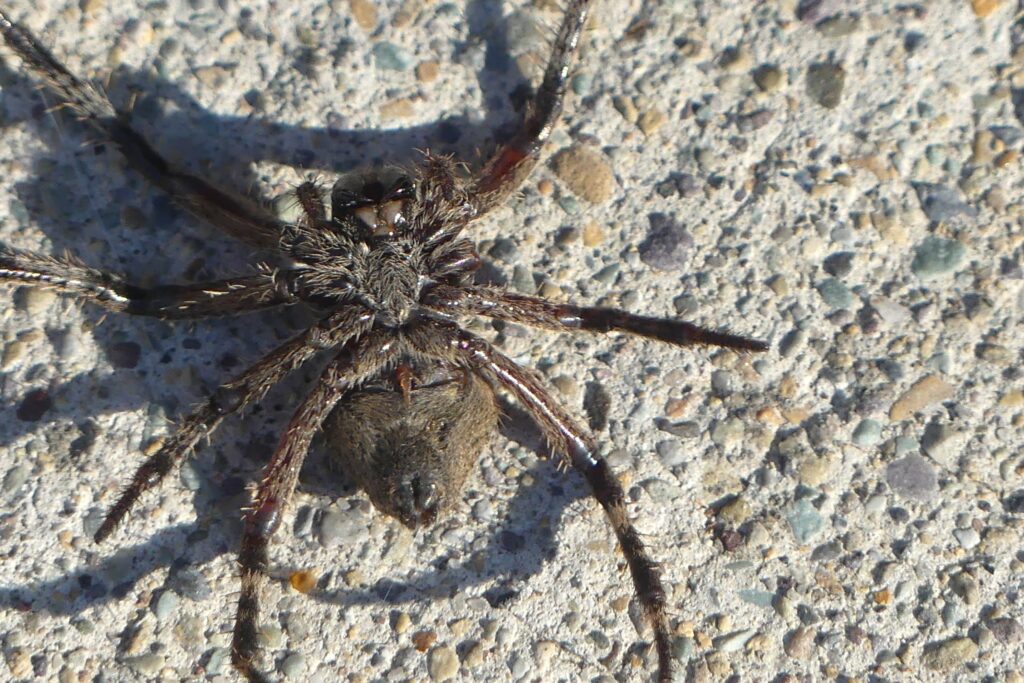
Fierce Orbweaver 9.2025Fierce orbweaverFierce Orbweaver dorsal side
This Fierce Orbweaver (identified with help of iNaturalist), was climbing up the door to my house. Not recognizing it, nor wanting to invite it inside, I very cautiously lured it away with a stiff plant stem. If I got too close, it reared back and waved its front legs as if boxing. While it moved across the driveway, it left a string of silk from the hole visible in the right photo; it seemed to use it as an anchor to help flip onto its back. The Fierce Orbweaver is listed as a native species in Montana.
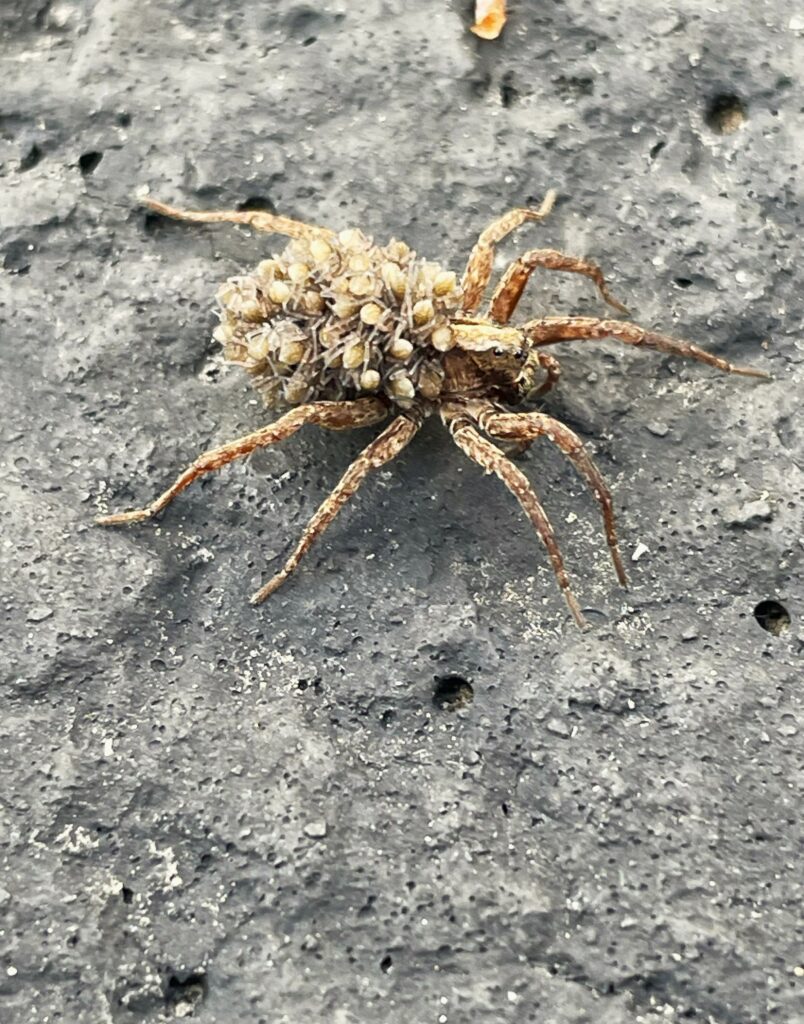
Wolf Spider with spiderlings on her back
Female Wolf Spiders carry their egg sac on their back; when they hatch, the babies ride there. They will fall off in leaf litter where they go into diapause until spring. This spider was crossing a sun-warmed driveway in early evening in September.
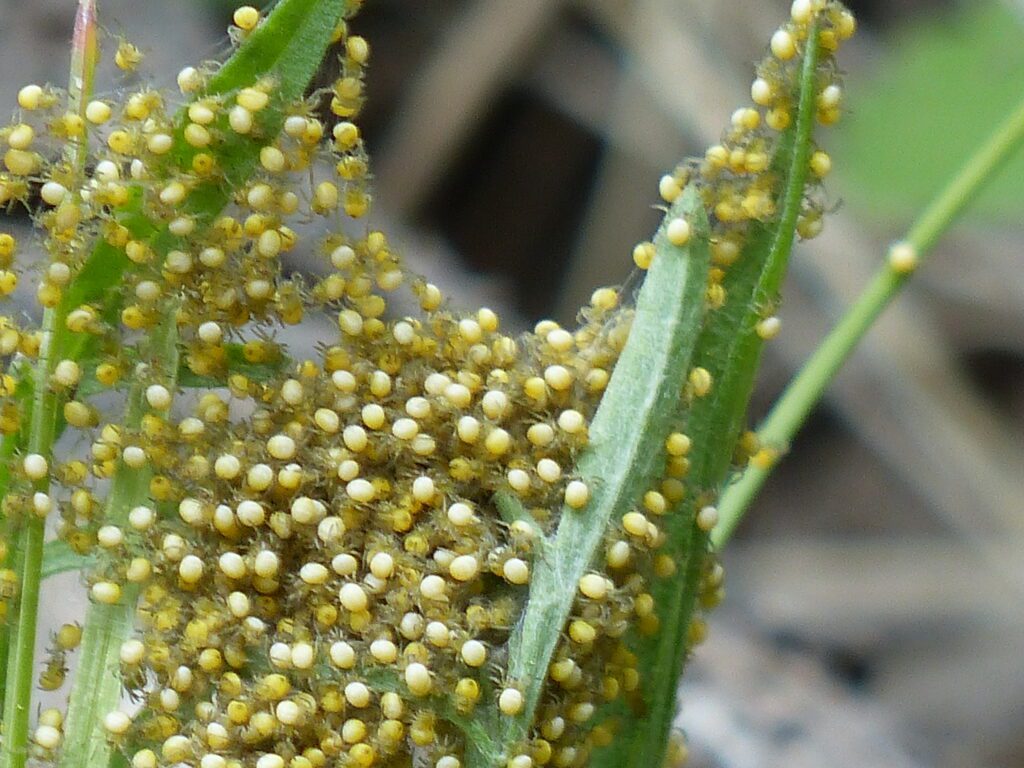
Nest of spiderlings on May 23. While I watched, the babies would crawl up a blade of grass and float off on a spinneret in the wind. I did not wait long; only a few had dispersed over the nearby wetland.
Last September I put together an article–West Valley Bee and Bee–about building a bee hotel and developing a native pollinator garden around it to encourage native bees. Here’s a quick update.
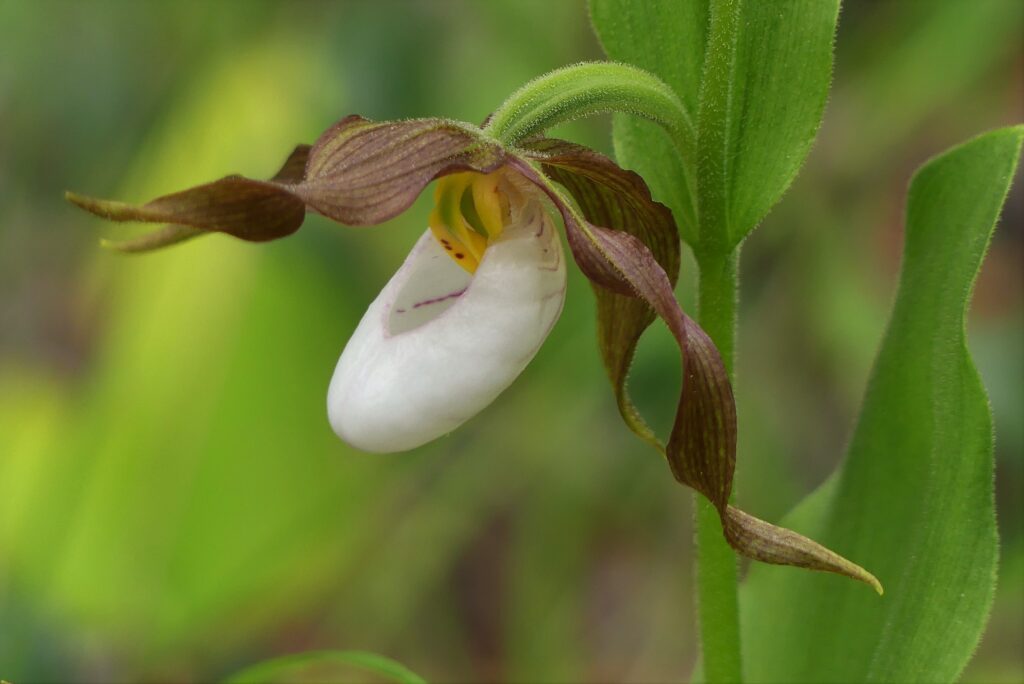
The Mountain Lady’s Slipper, aka White Lady’s Slipper, is a striking sight, whether as a single stalk like this one or a in big clump. Although their very existence requires an amazing amount of chance and even the support of a fungal partner, they find a niche that works for them in our area. I visited this solitary plant at least once every month from June to October, 2022. Read on to watch its progress.
When I first heard the word “gentian”, it was in reference to a veterinary medicine that I needed to apply to a cow I was tending. It was called “Gentian Blue” and although I had little understanding of its role in healing my bovine, it was the most intense blue I had ever seen! Subsequently, my appreciation of the various hues of blue have been in reference to the blue of that medicine. It was many years before I moved to the west where I saw my first flower in the Gentian family, and I was amazed to learn that the green plant I saw was a Gentian! (Frasera speciosa). That one doesn’t grow in the West Valley, but here are some I have encountered here.
This article has two purposes: to illustrate my July 2022 newsletter post about macro photography and to highlight one of the multitude of opportunities we have here in the valley to view nature’s wonders.
All of the photos in this post were taken during and just after a light rain in Happy Valley (see Locations) on June 21, 2022. For the photographically inclined, I was using the Halide app on an iPhone 12 Pro for the macro shots. Aside from cropping some shots, no additional editing or filters were used. What you see is exactly what came out of the camera. Please notice the minute detail that can be captured with macro photography–the raindrops on the mariposa lilies, the feathered edges of the tailed-blue butterfly’s wings, the fuzzy leaves and stem of the cinquefoil, the backlighting on the forget-me-nots, etc. It’s a whole new world down there at the macro level. Also notice that the backgrounds of most shots are blurred. This is called the “bokeh effect” and it’s a natural function of macro photography, which uses a shallow depth of field. It does make for some dramatic photos, calling attention to your subject matter.
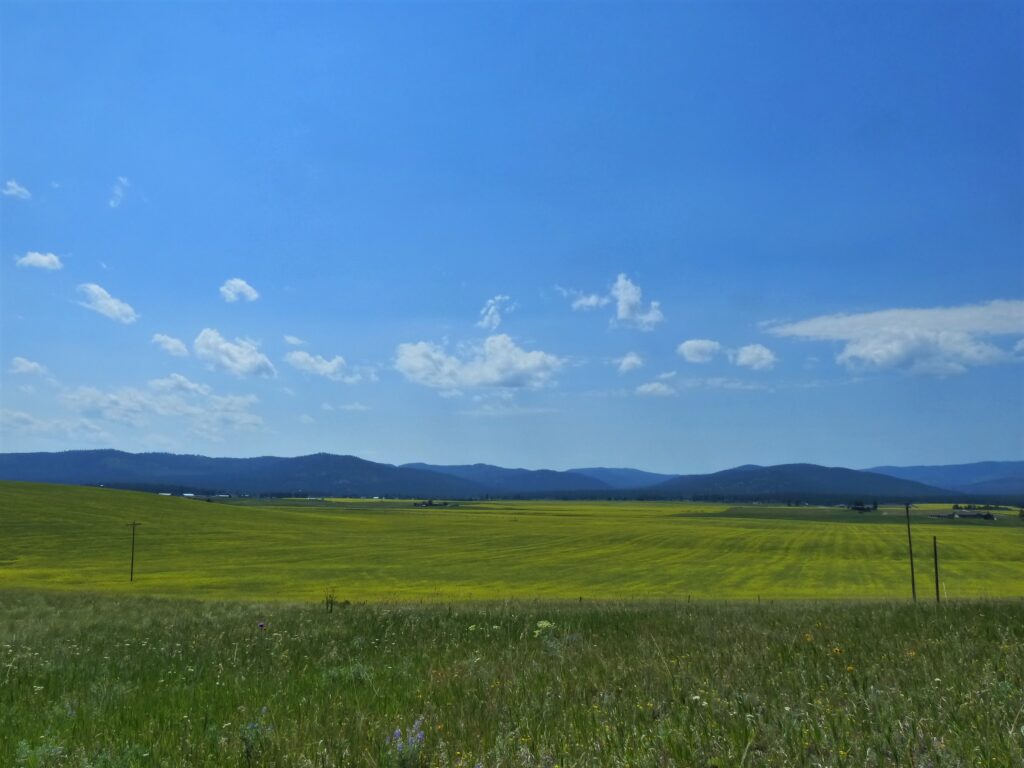
July is filled with awe-inspiring sights; it is hard to decide what is most representative of the month. Fields, forest, hilltops, and more. . .read on to see some of the sights I’ve enjoyed in this busy month.
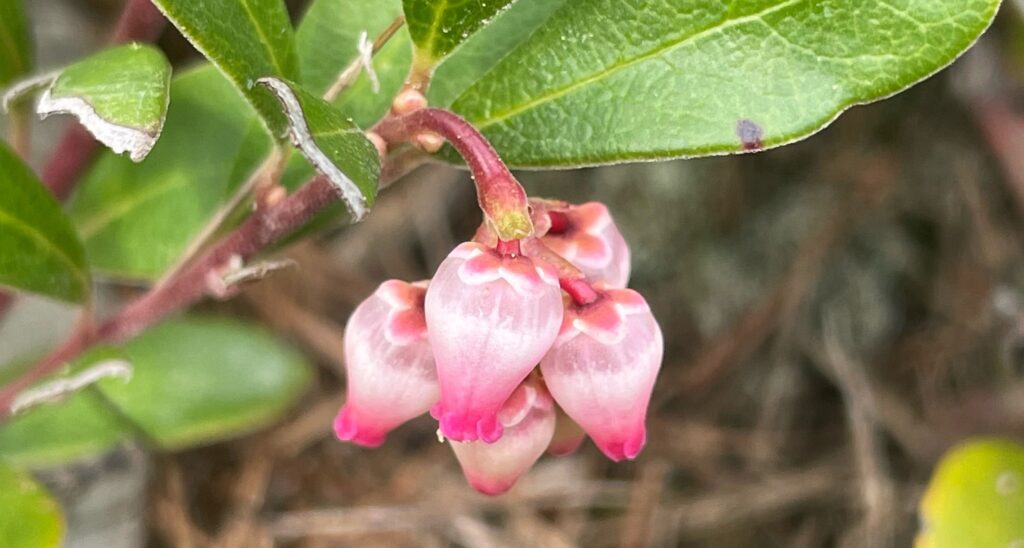
Despite our fits-and-starts beginning to spring here in the valley, it looks like we’re in for another glorious season of wildflowers. I spent last week looking for emerging blossoms and this photo essay is reflective of what I encountered. It’s just another reminder of the beauty and complexity that lies beneath our feet in these parts.
All photos were taken in and around West Valley. Pairs of images were shot at the same location on the same day.
Over the years, the State has adopted plants, animals, stones, songs, and other artifacts as symbolic of Montana. Here are several that I have collected just because I found them interesting, beautiful, awesome, and wonderful. Only recently have I discovered that these have gained such stature. Scroll down to see if the images inspire a reaction in you!
The Spring Creek Cemetery was set aside from the unplowed prairie in the West Valley and remains largely unchanged. The following gallery of pictures are some of the plants that still grow among the mounds of Bluebunch wheatgrass in that reserved lot.
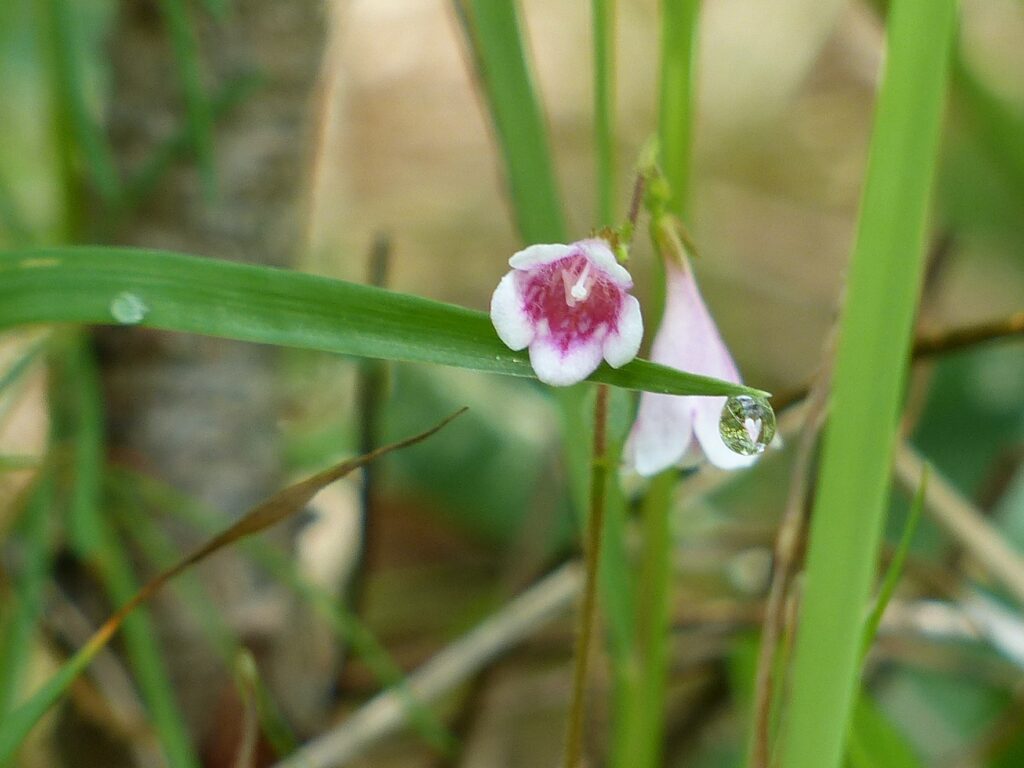
Spring is in full swing! Everywhere you look, something is bursting with color, singing exuberantly, or growing so fast you can almost hear the cells expanding! I could almost hear the bells ringing as I lay in the damp grass looking at a patch of Twin flowers! Here are some of my favorite images taken in the third month of Spring.
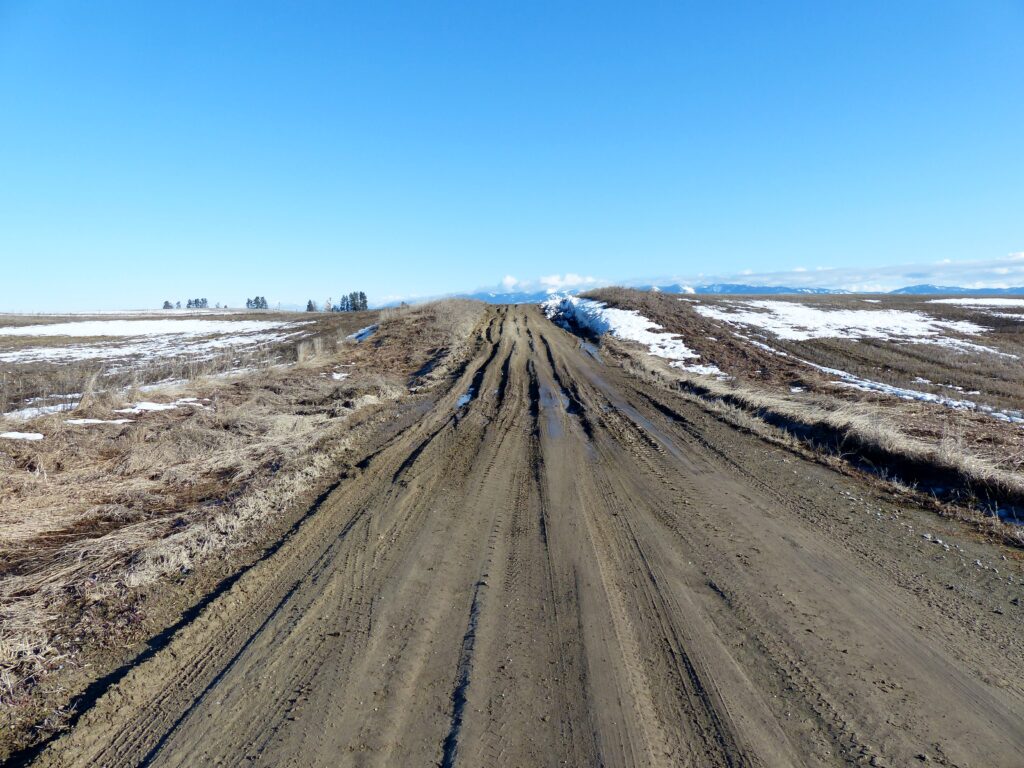
Winter is melting into summer. Every day is a surprise: will the snow retreat today? or will we experience a fall-back into freezing temperatures and even get some snow? When will we see some green in the in the cold, black soil of fields that were sown last fall? When will we see the first-of-the-year (FOY) Sandhill Crane? Who can guess correctly the day of ice-out on the potholes? How many geese, ducks, swans fit in the one open pool? Are those trees really starting to blossom? Will I be able to leave that heavy coat home? Read further for some of my FOY’s!
Although most people think of orchids as tropical plants, Montana is home to 31 species of orchids, almost all of which are found in the western part of the state. In the West Valley area of the Flathead Valley, the orchid you are most likely to encounter is the beautiful Calypso orchid. “Most likely” in this case does not mean common–they’re still a rare treat to encounter on a hike.
Rocky Mountain beeplant is native to the valley, although I seem to rarely encounter one. They are annuals, but they can grow up to 5 feet in a season. They are in the cleome family (Cleome serrulata) and are often cultivated in gardens. They are one of the most visually striking wildflowers in the area, as you will see.