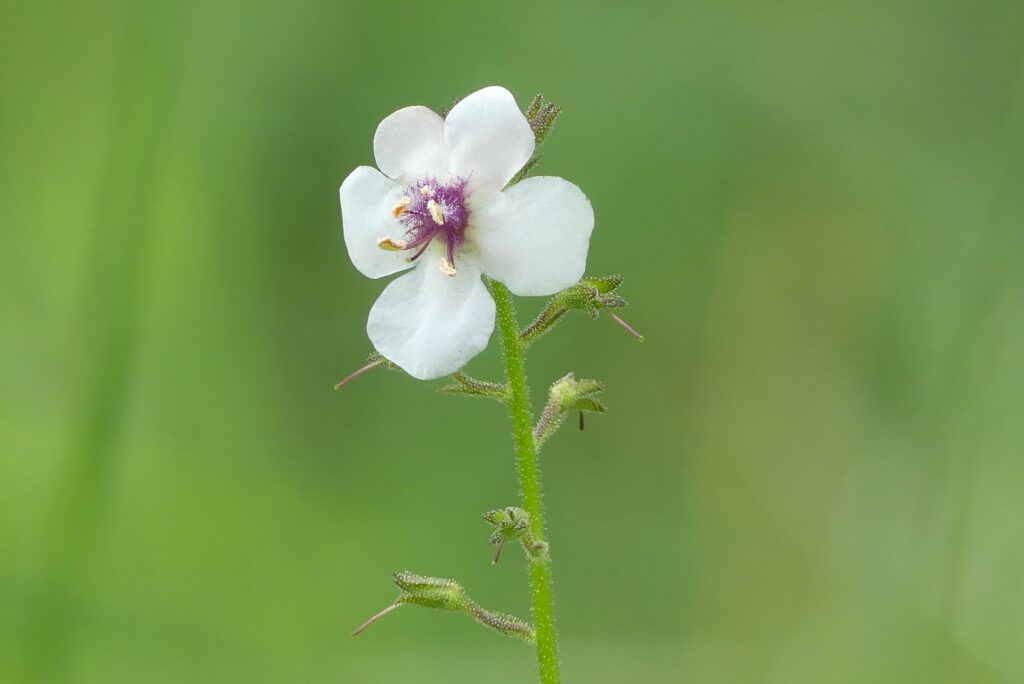
There are two species of Mullein in the West Valley; both are non-native plants with potential for spreading extensively. Read on to see images of both and to learn about their characteristics.
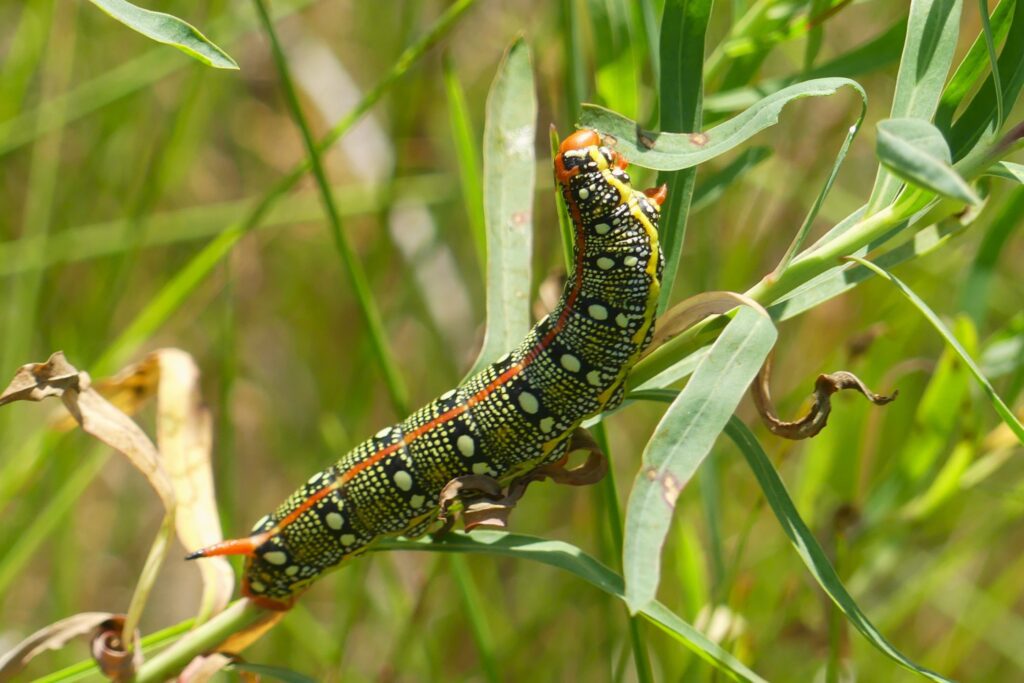
My first sight of Euphorbia esula, Leafy Spurge, in the West Valley was thanks to this caterpillar as I walked through an abandoned field. This 3 1/2 inch caterpillar’s appearance entranced me! Curiosity pulled me headlong into research and the information that follows.
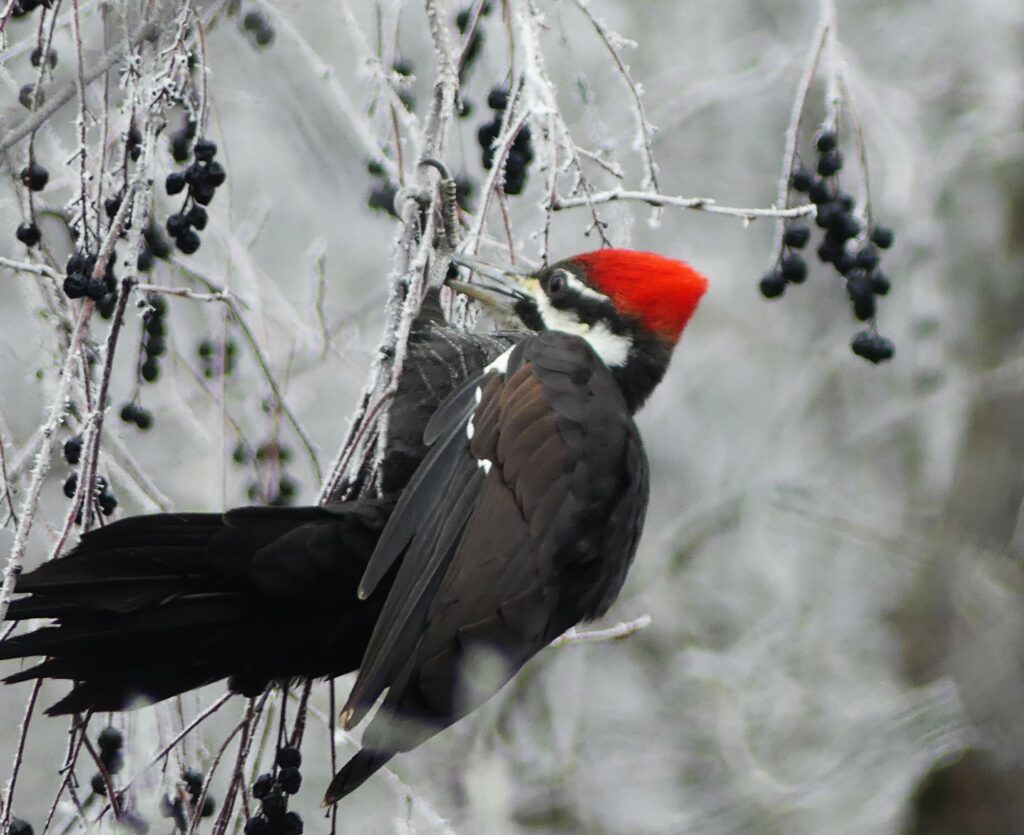
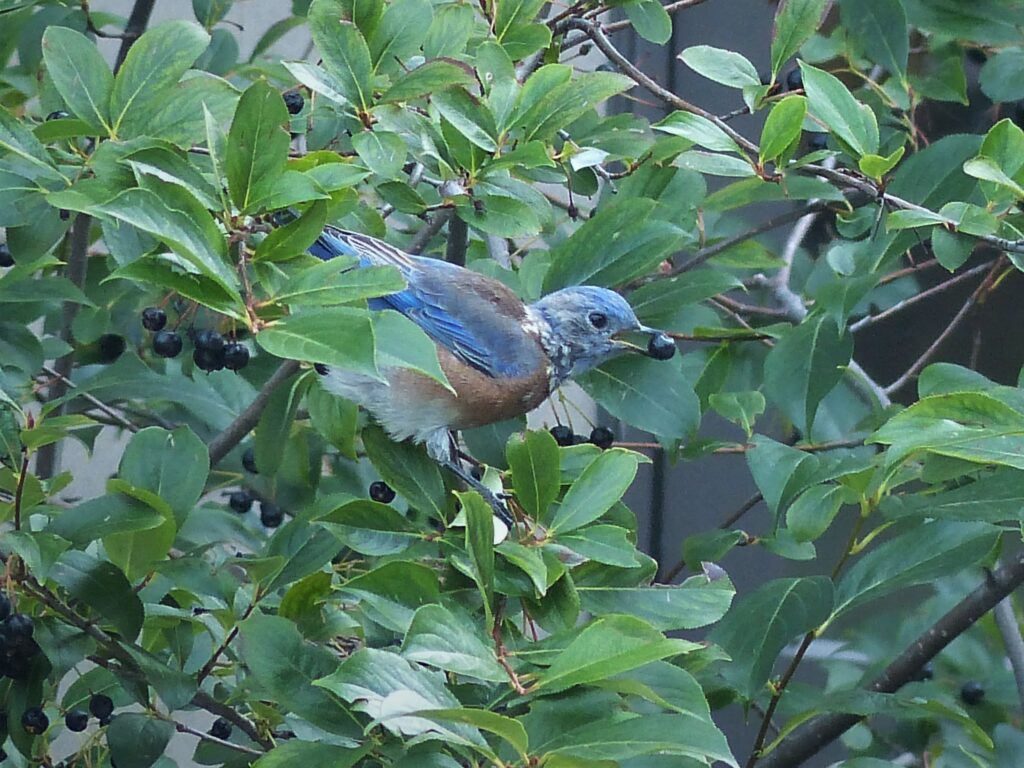
Pileated Woodpecker picking Common Buckthorn drupes 1.27.23
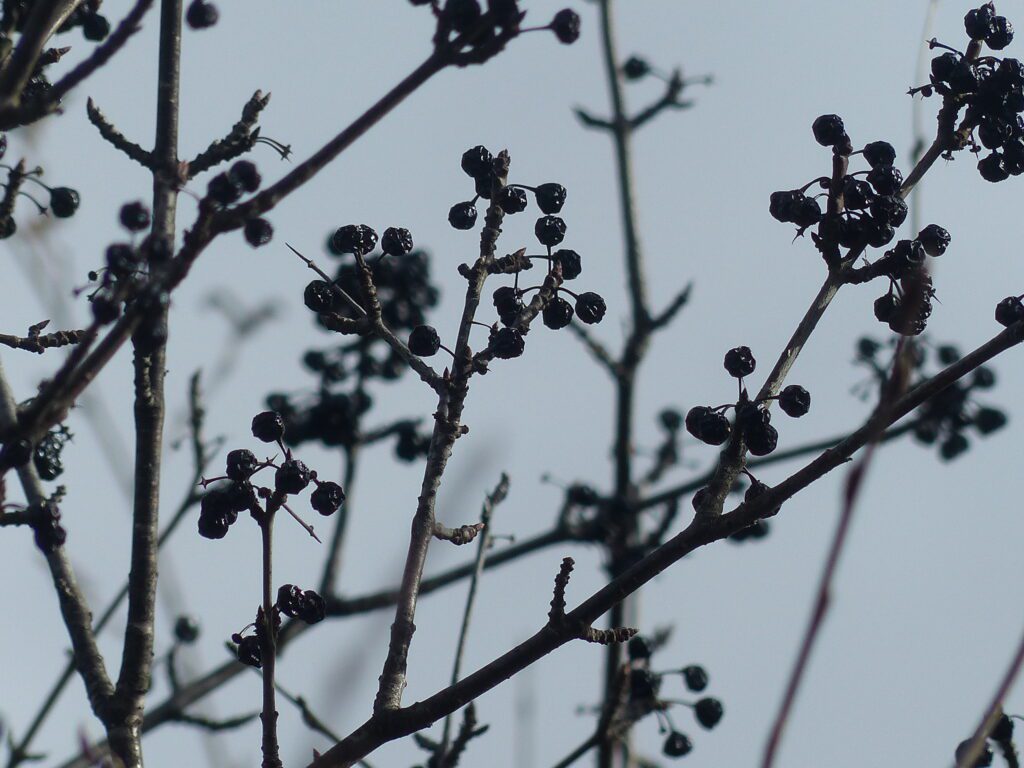
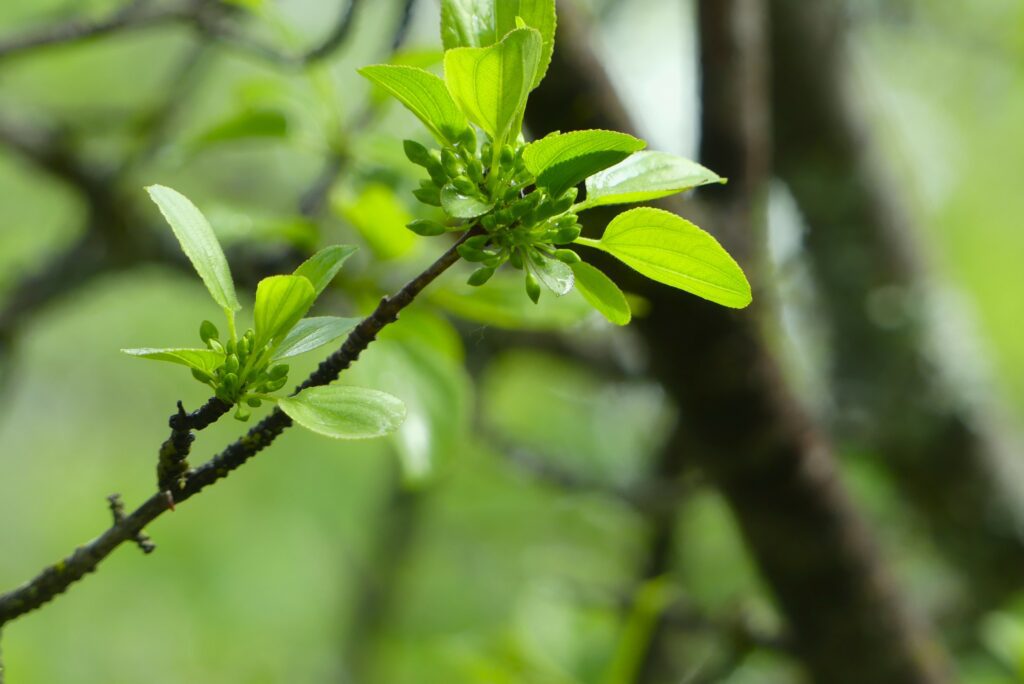
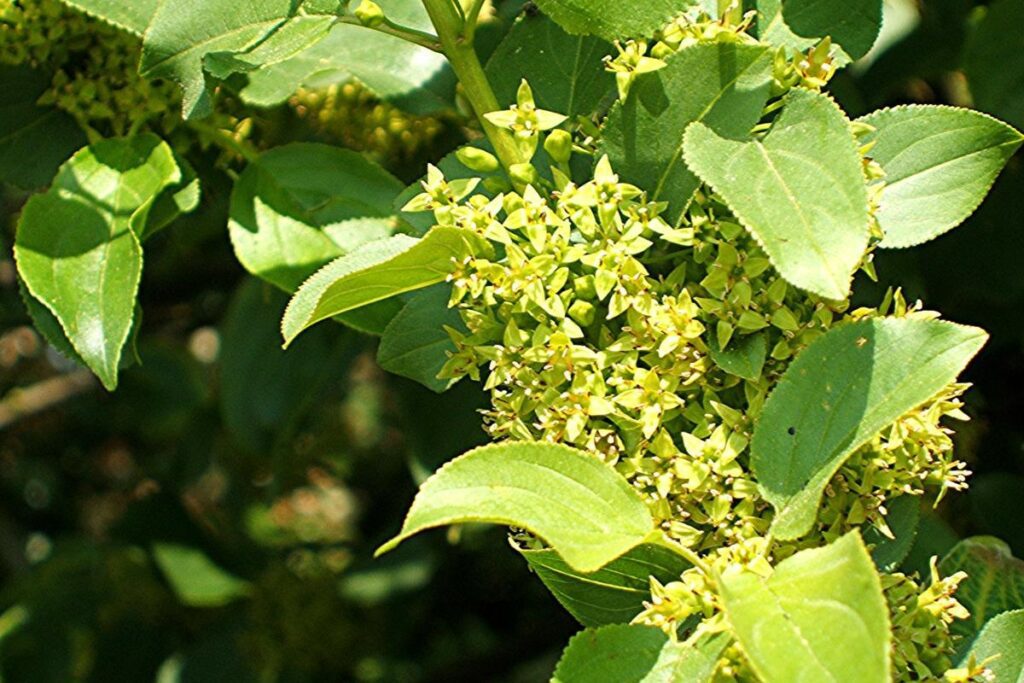
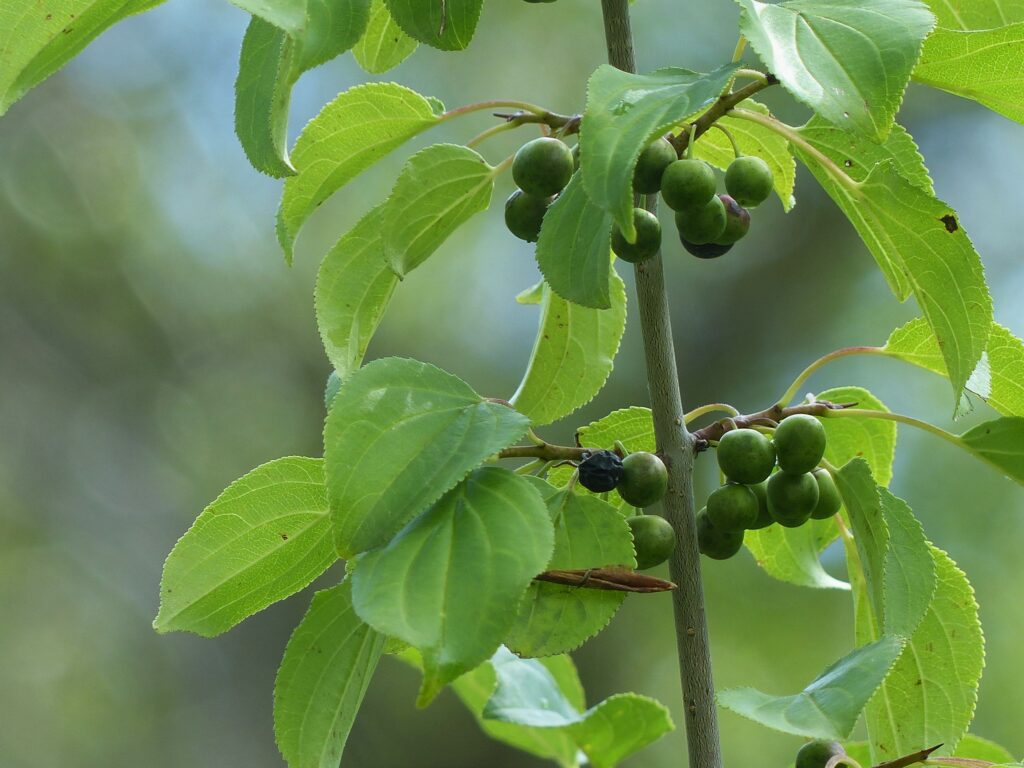
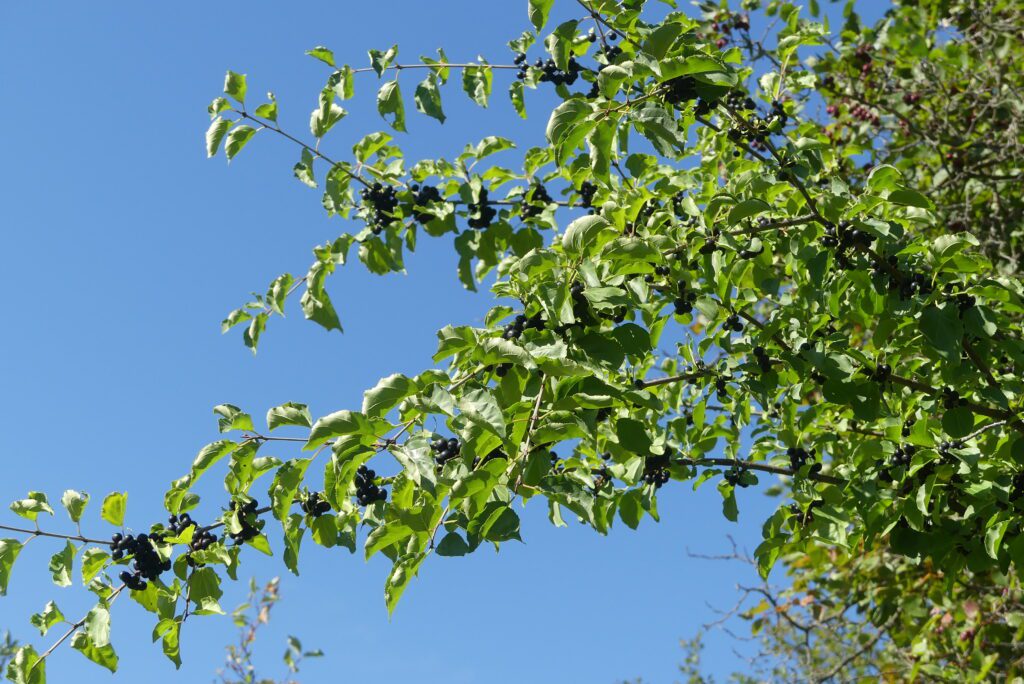
Common Buckthorn aka Rhamnus cathartica hides in plain sight. If you have walked in Lawrence Park or Owen Sowerwine in Kalispell or in many other areas along the local wetlands, you may have noticed the overwhelming prevalence of some shrub/trees that have thorns and lots of black fruits a little smaller than Chokecherries. The State of Montana recognizes this tree, native to Eurasia, as a Noxious Weed. It was introduced many years ago as an ornamental at a time when few people realized that many plants can be well-behaved in their native land because there are natural controls – insects or mammals that eat them and keep them in check or weather that checks their growth. However, in our country, none of those natural predators exist, and given time, the plant flourished to the extent that native plants are choked out. Cathartica refers to the fact that the plant (fruit) causes diarrhea. Birds are attracted to the fruits that ripen in late fall and persist throughout the winter. However, the birds gain no nutrition because of the catharsis it causes.
Bark of Common Buckthorn4.23 Drupes persistCedar Waxing feeding on dried drupes 4.26.22Common Buckthorn in bud 5.20.25Flowers May-JuneBranch with green drupes 8.23.199.07.23 Most Rhamnus cathartica drupes have 4 seedsEarly November, 2024
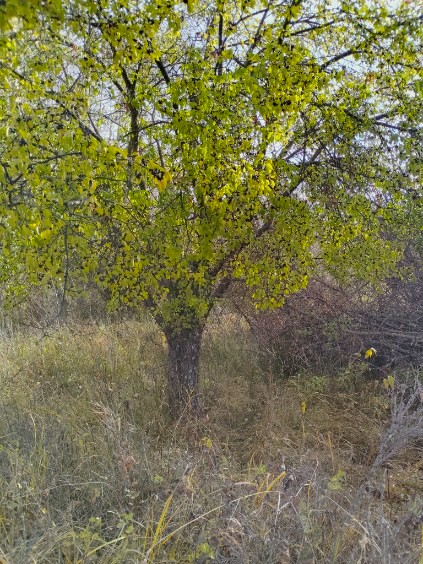
Bright yellow-green leaves haven’t dropped. When all the other deciduous trees have lost their leaves, this characteristic makes Common Buckthorn easy to identify.
Saplings no taller than 4′ and .5″ in diameter may have drupes. The tree above must be quite old.
If you have questions about identifying or controlling Noxious weeds, contact Your local Extension Service Your local weed control district Montana Department of Agriculture
In spring and summer when birds are nesting and raising young, insects are prominent in their diets. The young fledge, and their diets tend more toward fruit, berries, and other high energy foods to fuel their needs for warmth if they’re staying here or energy for migrating.