Editor’s note: This article has been updated to include some information and images from Pat Jaquith,
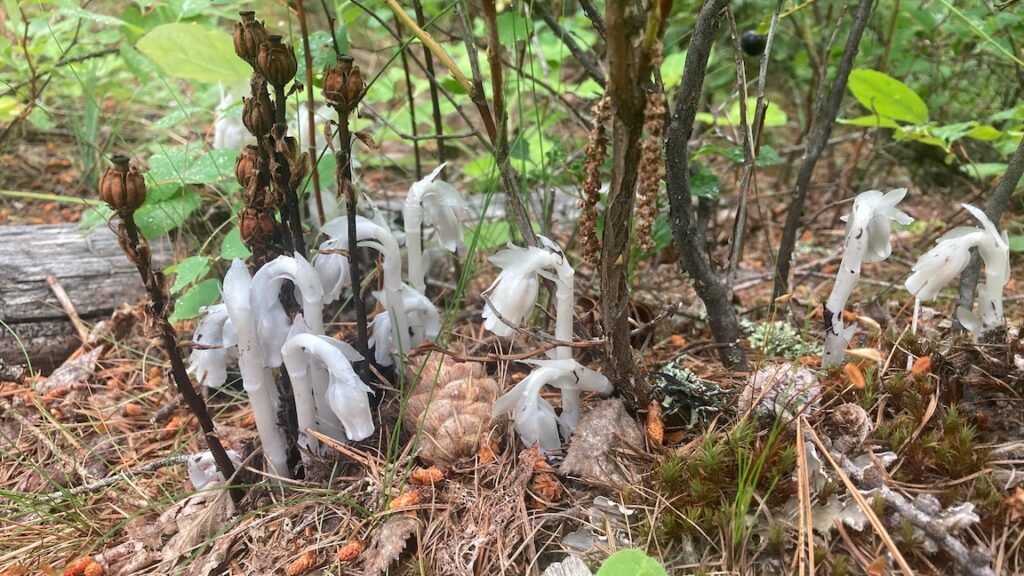
Ghost pipe, which is known by many other names including ghost flower, corpse plant, and Indian pipe, may be found in the West Valley area. If you do run across any, please take a few photos and then leave it alone, for reasons that will be explained below.
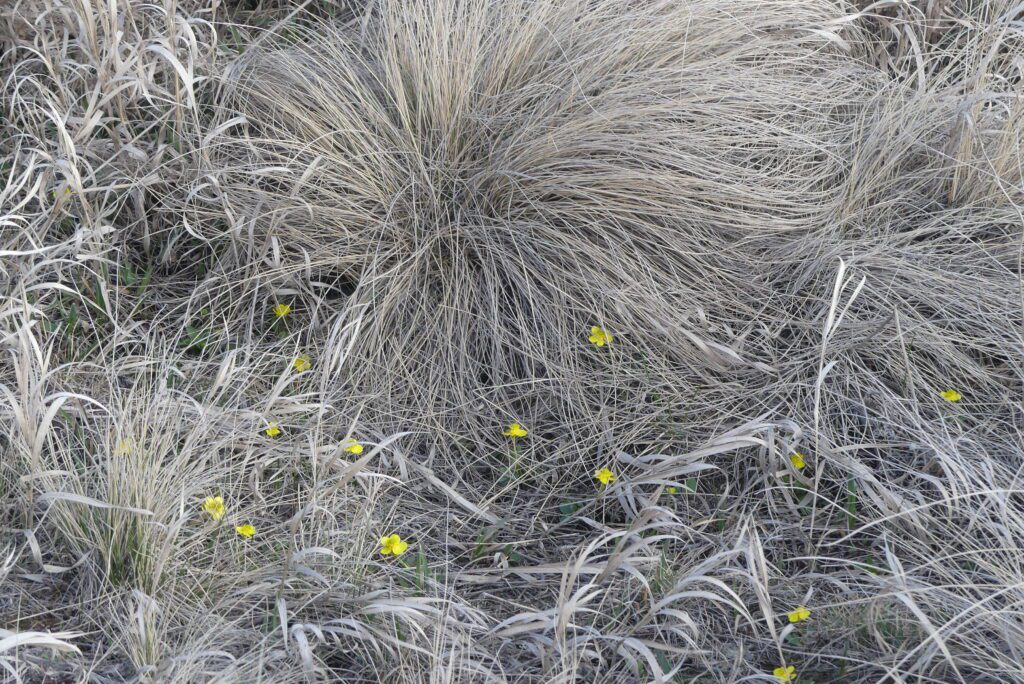
Like a bird incubating eggs, Bunchgrass growing on sunny hilltops protects and warms the ground for many ephemerals like Ranunculus glaberrimus.
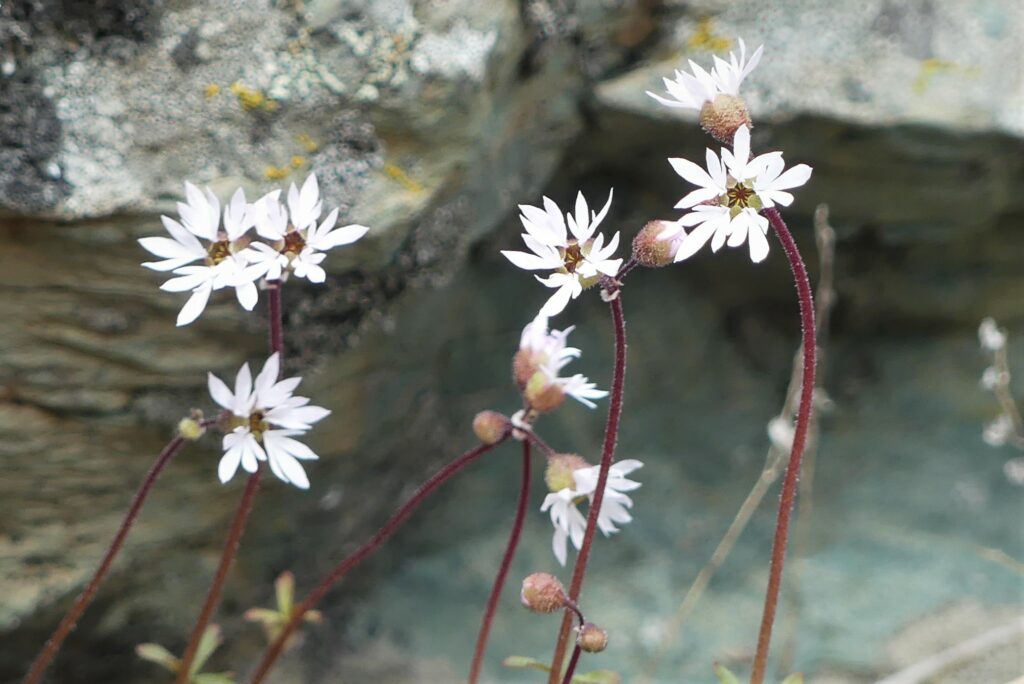
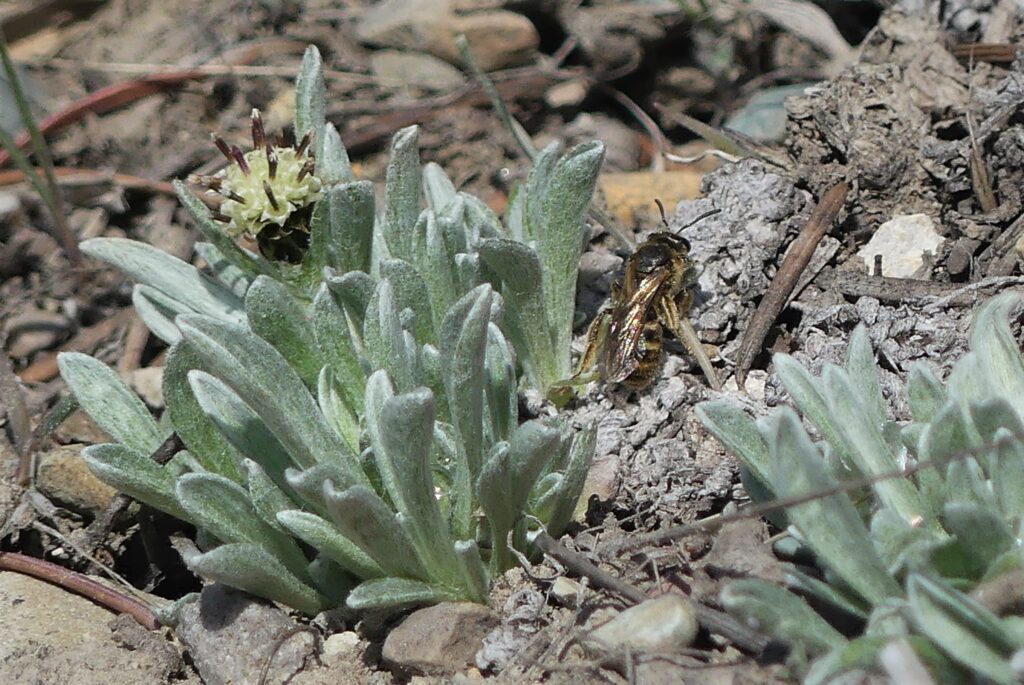
Lithophragma parviflora (Little Woodland Star) and Antennaria dimorpha (Cushion Pussytoes) often appear very early in sheltered areas warmed by west-facing stony outcrops. Tachinid flies are early-appearing pollinators of these flowers.
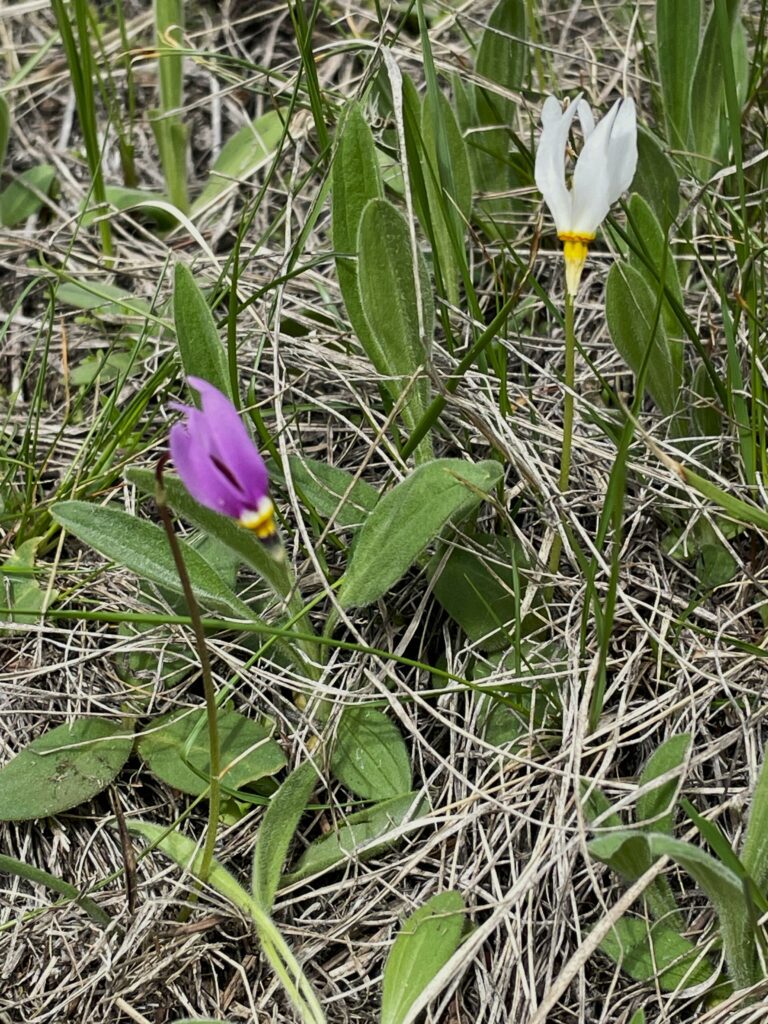
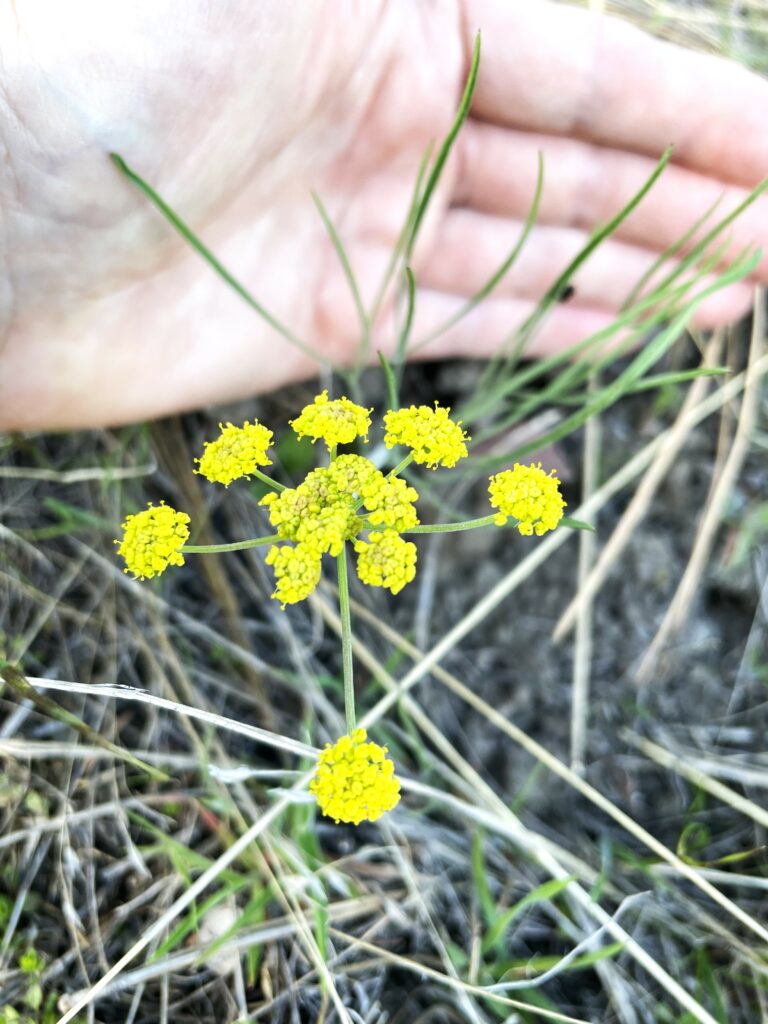
Dodecatheon conjugens (Shooting Star) and Lomatium triternatum (Nine-leaf Desert Parsley grow in an old pasture where grass will be two feet tall in another month.
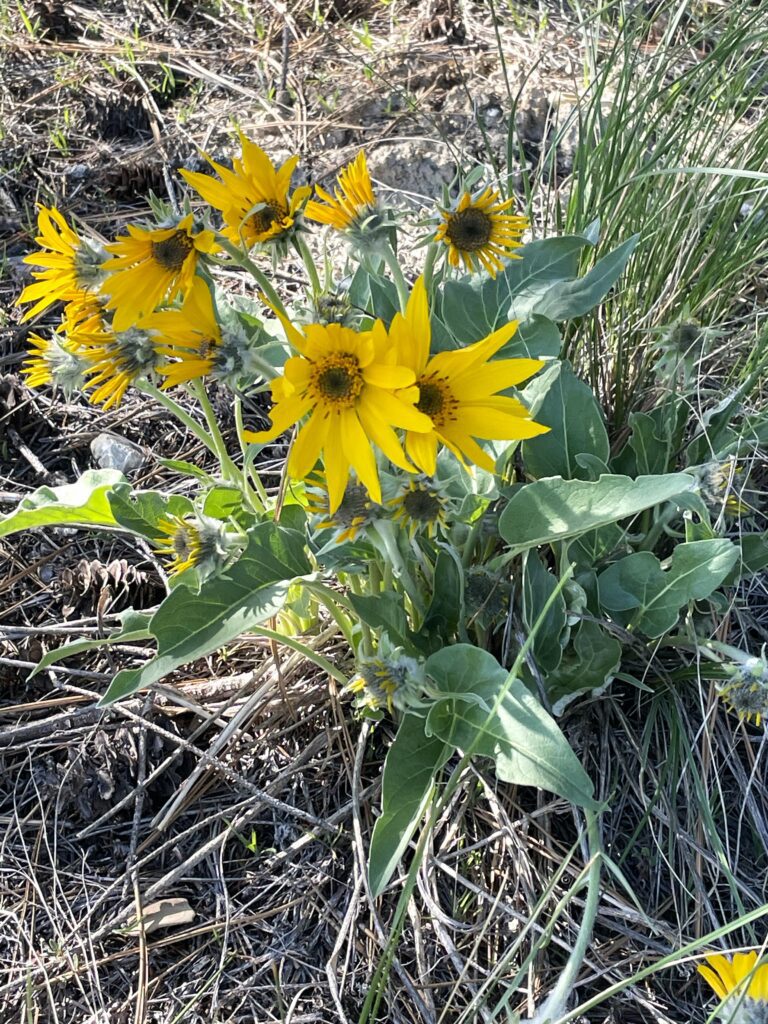
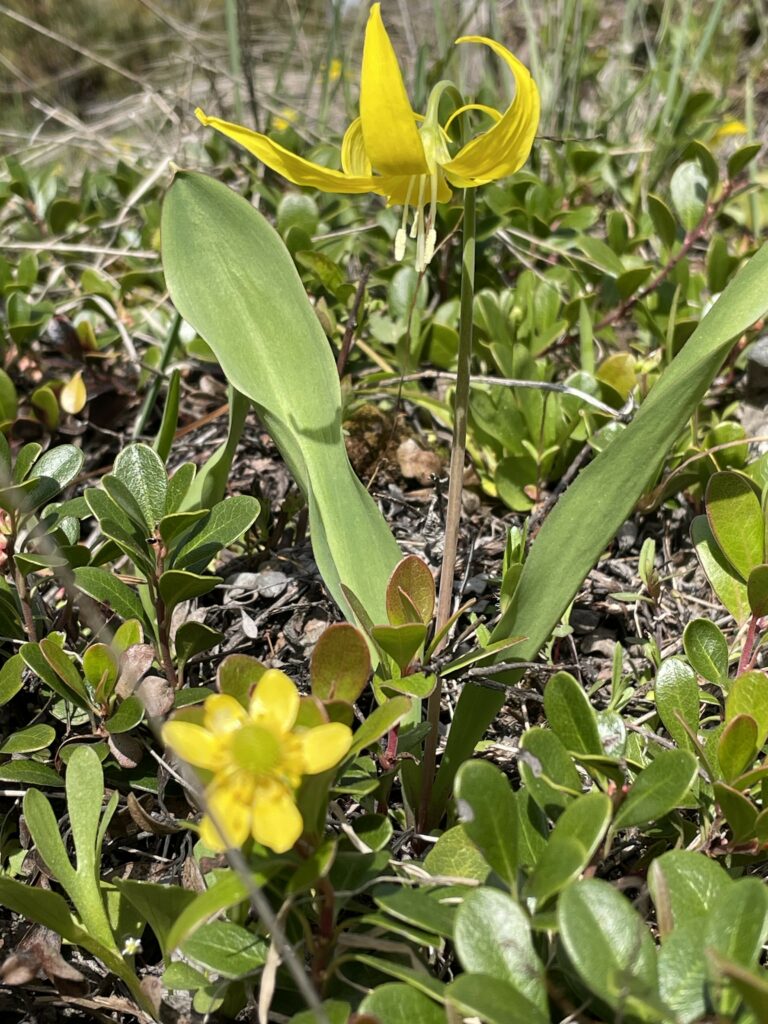
Balsamorhiza sagittata (Arrowleaf Balsamroot) Ranunculus glaberrimus (Early Buttercup) and Erythronium grandiflorum (Glacier Lily) are so precocious that sometimes they get covered with snow while in full flower and recover as if they had welcomed the extra gift of water.
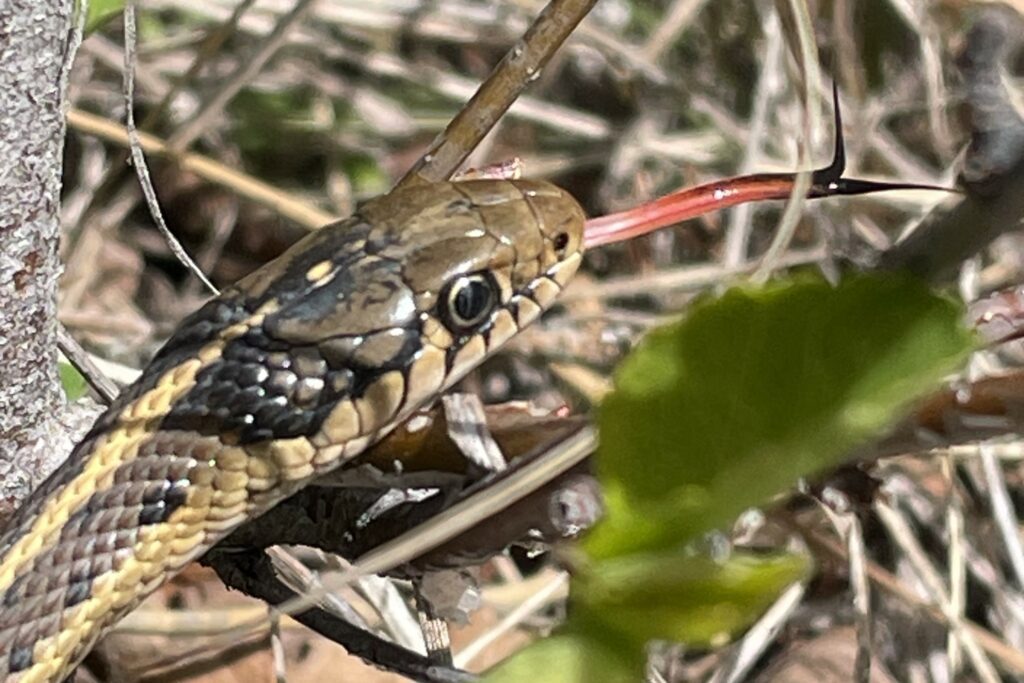
Oops! One of those surprises you can get while looking at the ground in search of early flowers! Recently emerged from hibernation, this garter snake was coiled around the stems of a young Serviceberry shrub in a sunny patch of soon-to-open Early Buttercups!
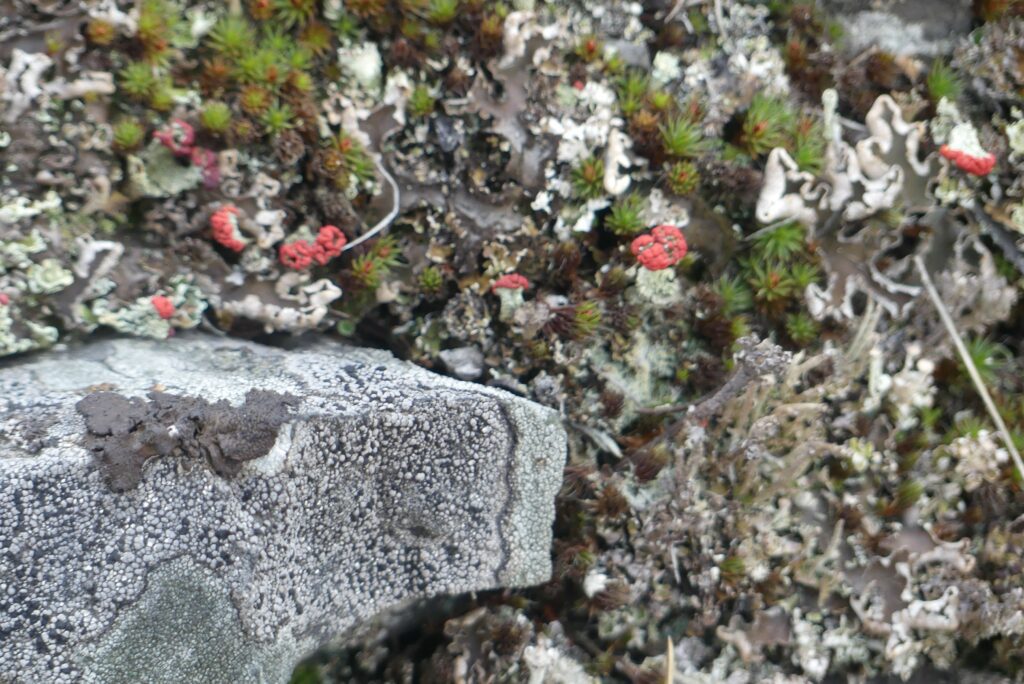
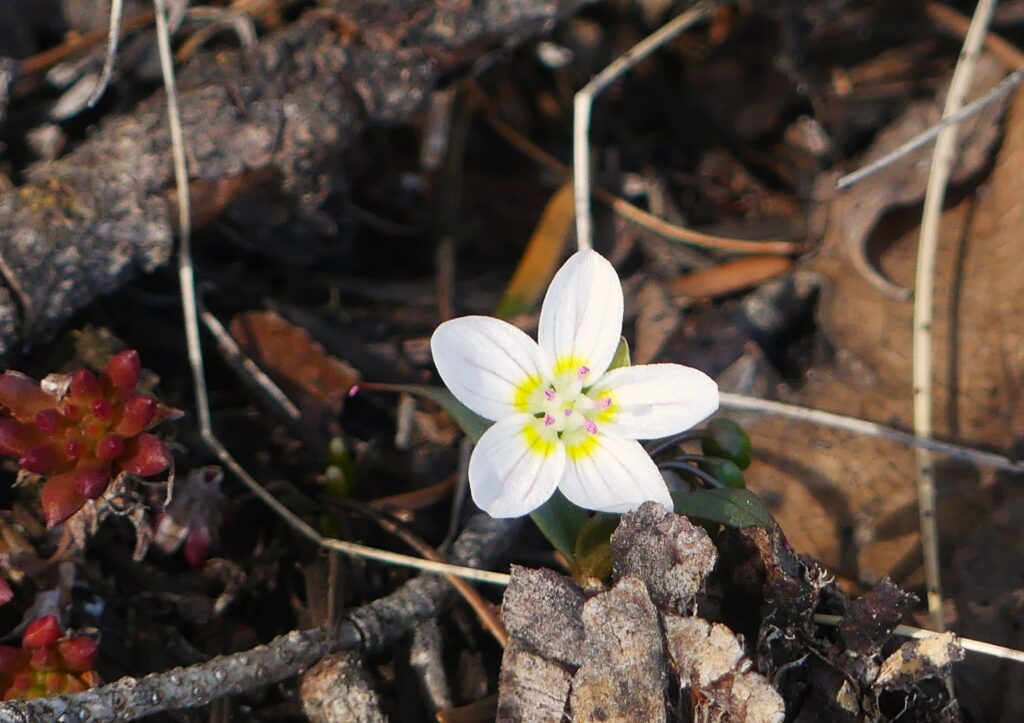
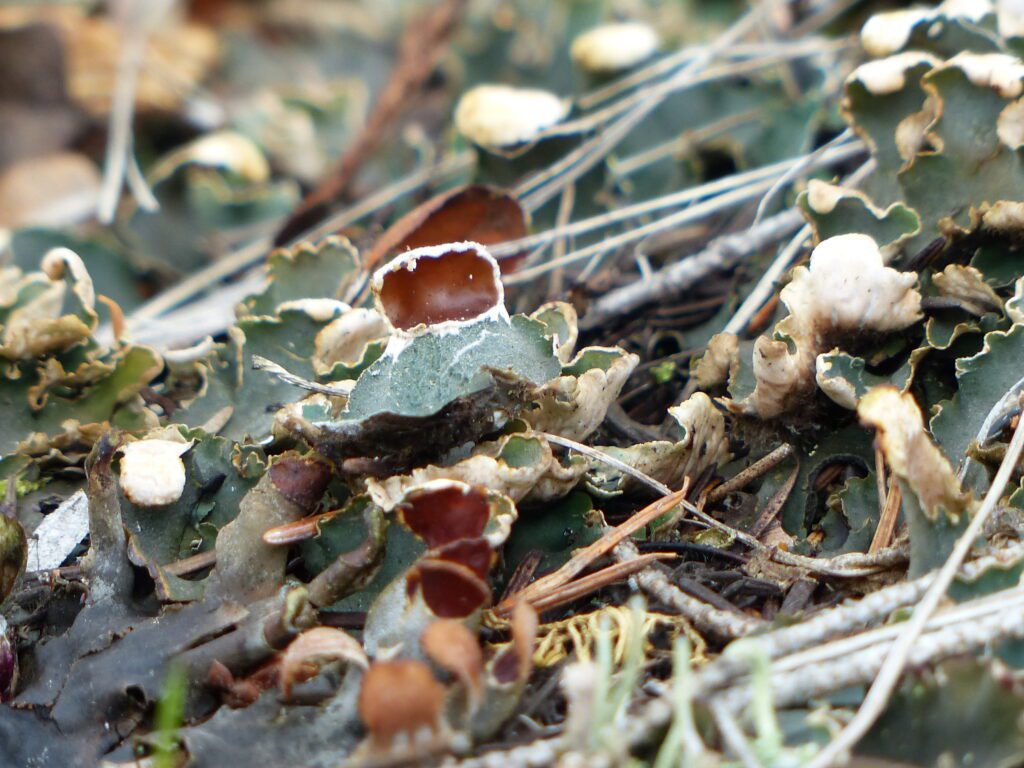
Cladonia pleurota (Red fruit Pixie cup lichen) Claytonia lanceolata (Spring Beauty)
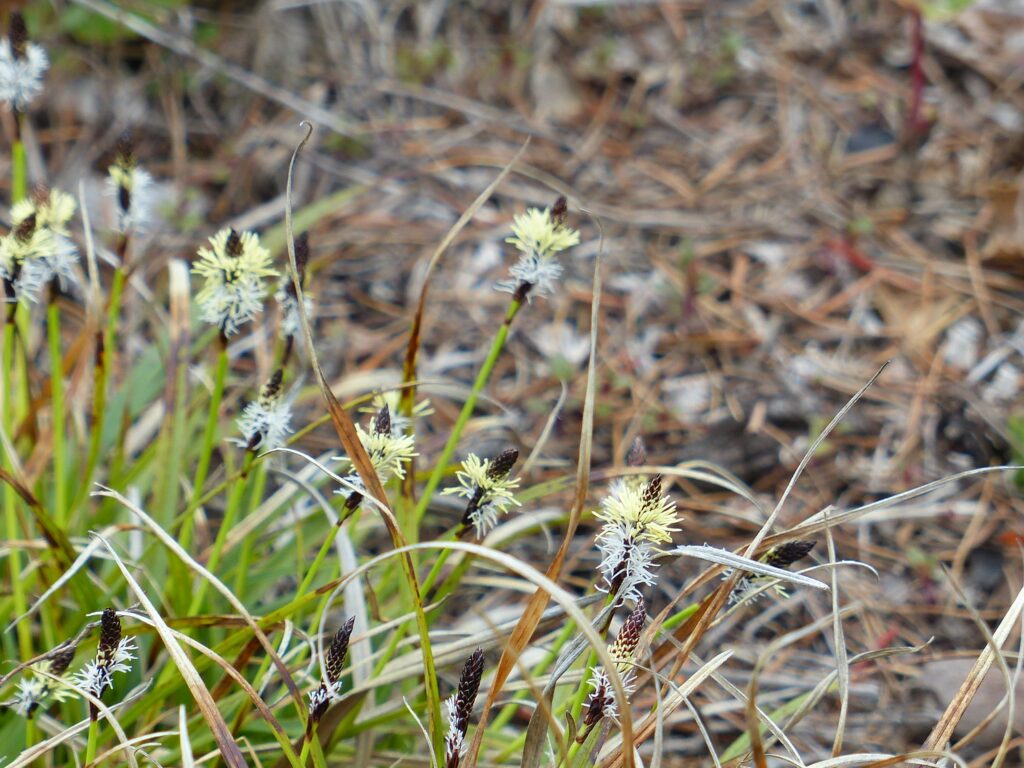
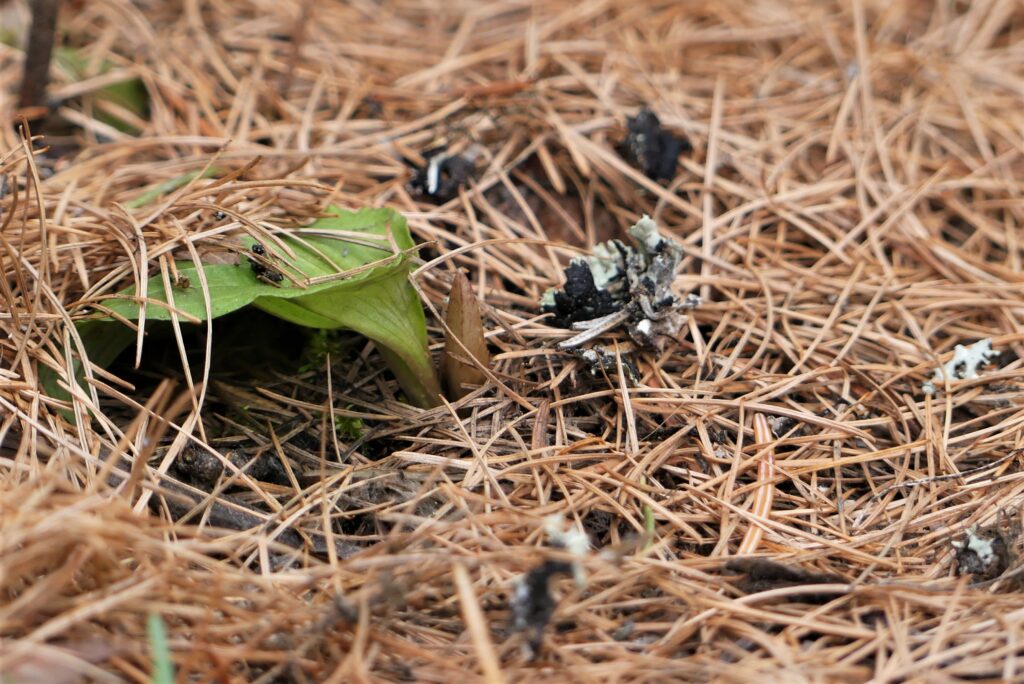
Carex concinnoides (Northwestern Sedge) and a wonderful discovery of the first appearance of a Calypso bulbosa(Fairy slipper orchid) plant, a little plant that will blossom in May!
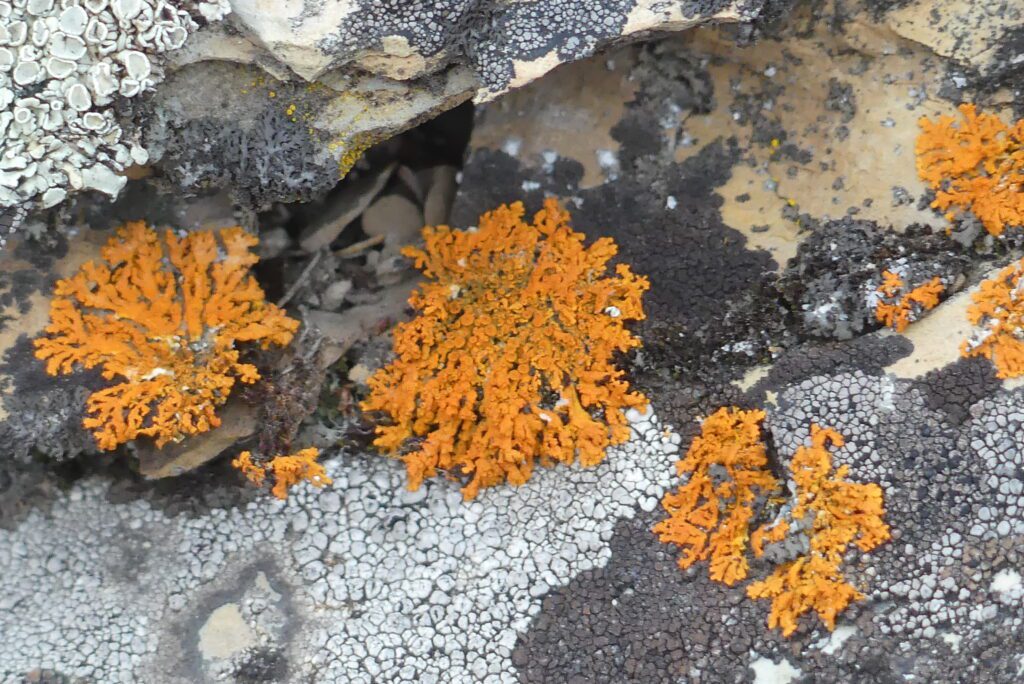
Brighter than the Blanket flower that grows nearby in summer, this rock-dwelling lichen is a long-time resident on this carbonate-rich rock. Exposed to the elements, temperatures that range more than 100 degrees, with no shade to protect it and no roots to find water, this lichen grows about .4mm per year. It has probably taken about 150 years to attain its current size. The following article describes some fascinating facts about this and some other foliose (leafy) lichens in our area.
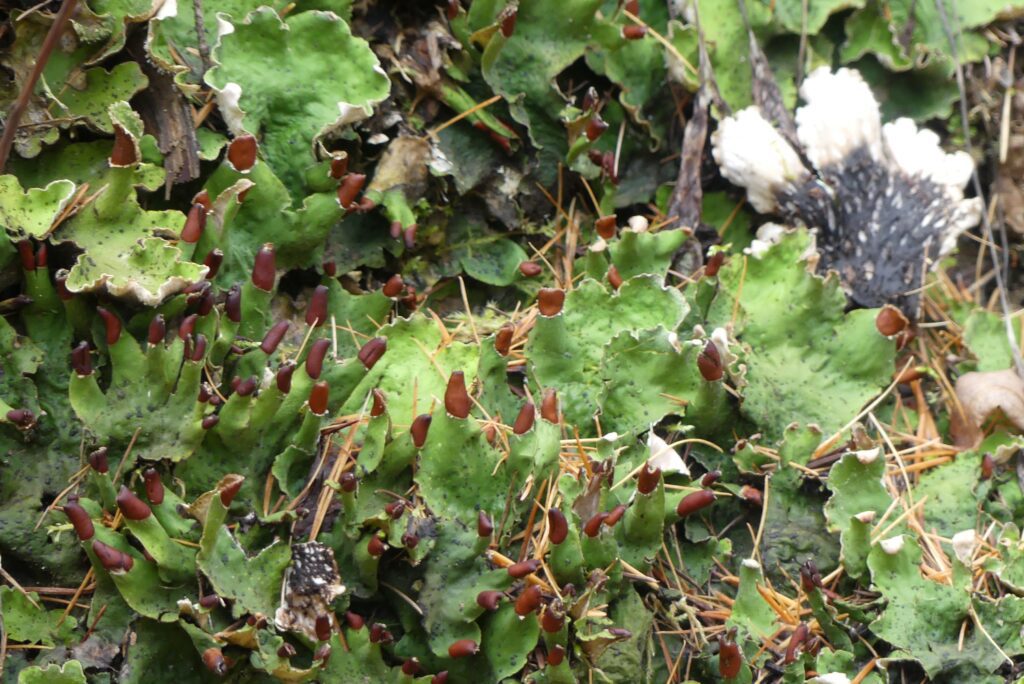
Worldwide, there are about 100 species of Peltigera in the Foliose group of lichens; there are 23 species in the Rocky Mountains. But here in the West Valley, the number is much more manageable! In the following article, I will give some pointers I found helpful as my exploration has evolved.
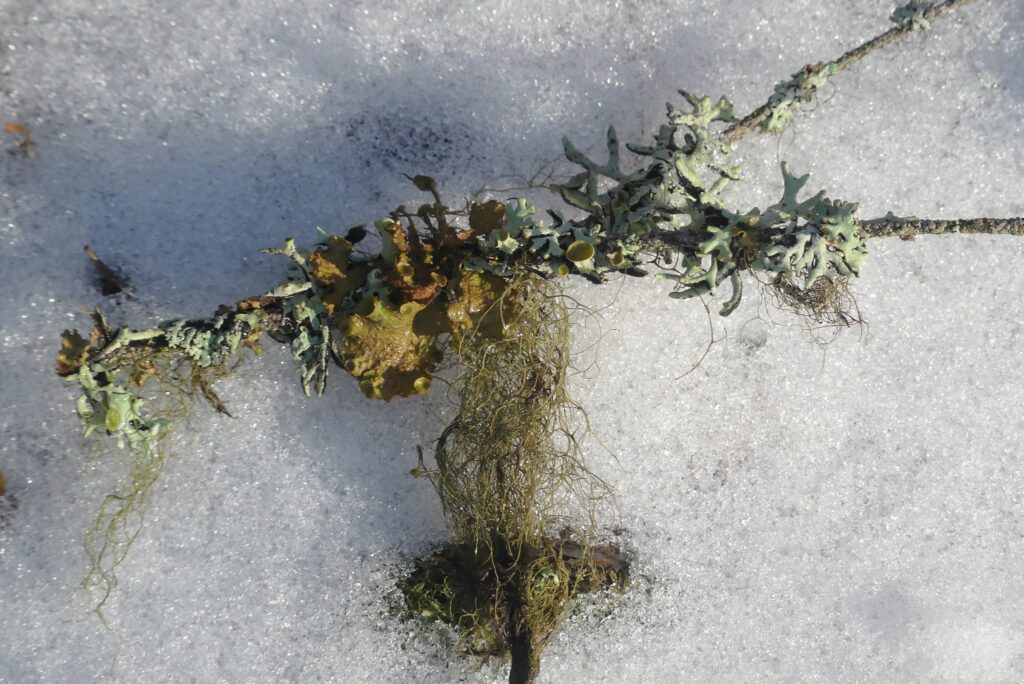
Many trees in our area are festooned with lichens of many types. This piece of a branch lay on the snow-covered forest floor as I walked in the Flathead National Forest in mid-November, 2021. What a bouquet! At least four different types of lichen share this short section of wood. Read on as I untangle a bit about them.Continue Reading →
In casual conversation about the living inhabitants of an ecosystem, especially among those of us who took high school biology in the 60s, we generally rely on “flora” and “fauna” to categorize and conceptualize the organisms living there. If something’s not a mineral, then it must be a plant or an animal.
One of my passions is wildflowers, but the growing season of wildflowers is pretty short here in the West Valley. I have turned to lichens to help fill the void in colder months; it’s a fascinating venture. Neither plant nor animal, lichens are plentiful around here. One source reports there being 2500 species in the Pacific Northwest. Fossil records date them as long as 400 million years ago. Lichens can be found on the ground, on rocks, and on trees – both decaying and healthy. When you go out looking at lichens, I strongly recommend taking a hand lens because some of their most interesting features are almost microscopic!