by Pat Jaquith
pat@westvalleynaturalists.org
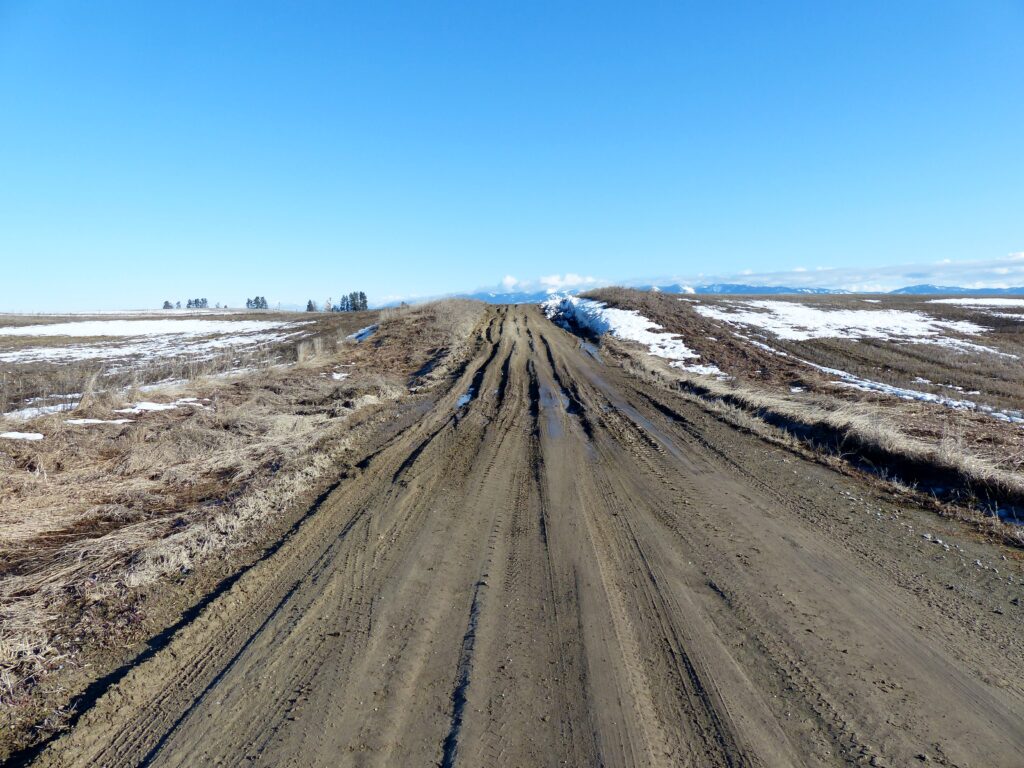
Winter is melting into summer. Every day is a surprise: will the snow retreat today? or will we experience a fall-back into freezing temperatures and even get some snow? When will we see some green in the in the cold, black soil of fields that were sown last fall? When will we see the first-of-the-year (FOY) Sandhill Crane? Who can guess correctly the day of ice-out on the potholes? How many geese, ducks, swans fit in the one open pool? Are those trees really starting to blossom? Will I be able to leave that heavy coat home? Read further for some of my FOY’s!

The early bird might be too early for finding many worms in the frozen soil, but there’s plenty of left-over fruit on a lot of trees or cones (that are almost like fruit) on Juniper for them. They don’t need all that protein until they start feeding nestlings. A flock of 20 or more Robins erupted from this Juniper clump, giving me quite a start!


Woodpeckers are rapping out messages on resonant surfaces at this time of year. They choose dead hollow trees, chimney tops, or even power poles for their drum-like resonance as they seek mates’ attention. On a recent walk in Pig Farm, a pair of Williamson’s Sapsuckers were messaging back and forth from some distance; then they flew to closer trees and hammered; finally, they met on a big Ponderosa Pine.

Trees that are pollinated by wind blossom before the leaves come out. Aspens have male or female catkins on separate trees, so in the absence of bees or other pollinators so early in the season, wind in the primary disperser of pollen.


Spring house cleaning applies to bird houses, too! Bluebirds don’t like to move into a dirty house, and who can blame them? This house was occupied by Tree Swallows last year: they are known for “feathering” their nests with feathers they find in the area. One theory about this practice is that they use the feathers as a message for other birds that might come while they are away: “Occupied!!”


Some farmers prepare for spring planting by burning the stubble of last year’s crop. The valley becomes a patchwork of colors with the green, tan, brown, and black in big rectangles predicting the uses of each plot. Spring is moving along – and my list of FOY’s gets longer!
