by Pat Jaquith
pat@westvalleynaturalists.org
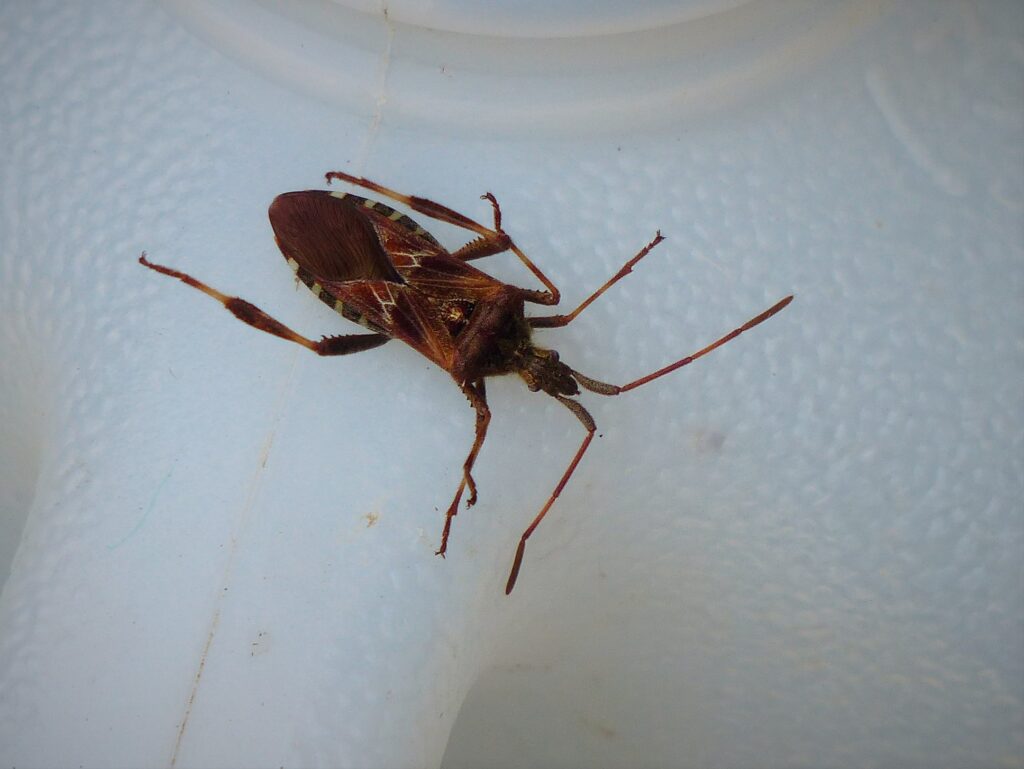
We know it’s fall when Western Conifer Seed Bugs show up on the warm side of the house or even inside the house; what do we do about them?
Continue Reading →The natural environment and history of Kalispell’s West Valley area
by Pat Jaquith
pat@westvalleynaturalists.org
We know it’s fall when Western Conifer Seed Bugs show up on the warm side of the house or even inside the house; what do we do about them?
Continue Reading →by Linda de Kort
linda@westvalleynaturalists.org
We saw Evening Grosbeaks outside our kitchen window on this cool fall morning.
Continue Reading →by Pat Jaquith
pat@westvalleynaturalists.org
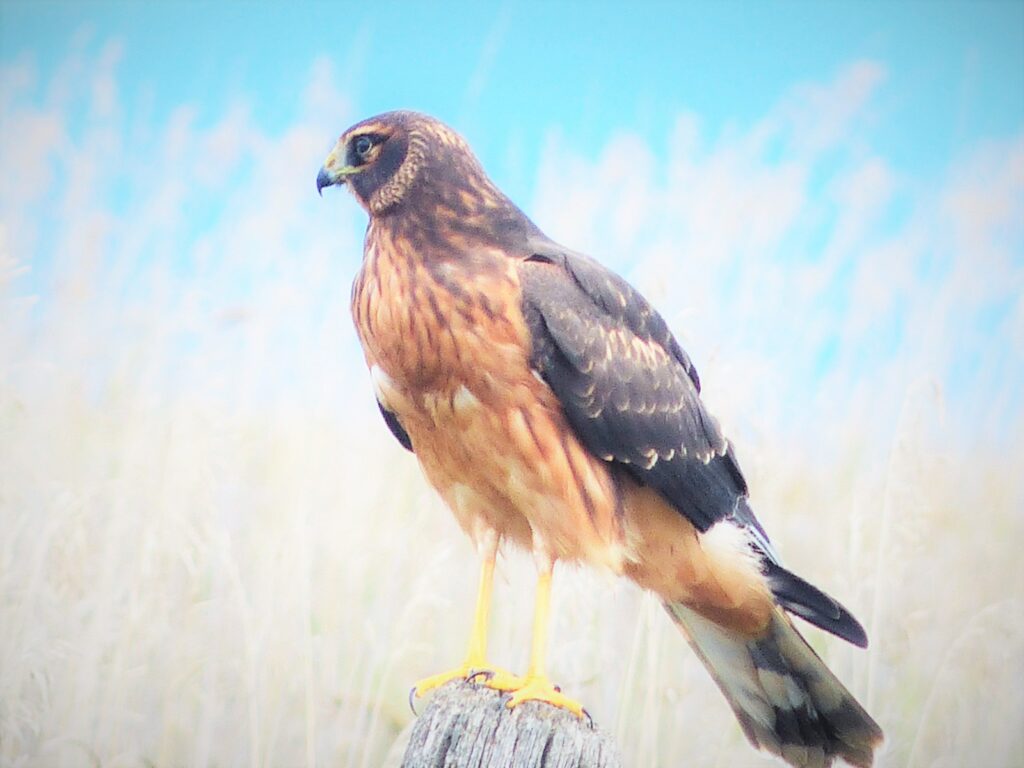
Northern Harriers are one of the raptors we see often cruising over fields and wetlands from Smith Lake to the potholes. They fly low, eyes on the ground, searching for small rodents. Its owlish face helps it hear mice and voles beneath the vegetation as they hunt by ear more than by sight.
by Linda de Kort, photos by Frank de Kort
linda@westvalleynaturalists.org
The Mourning Doves, Zenaida macroura, are considered to be our native love bird because their courtship behavior and devotion to each other are legendary.
Continue Reading →by Pat Jaquith
pat@westvalleynaturalists.org
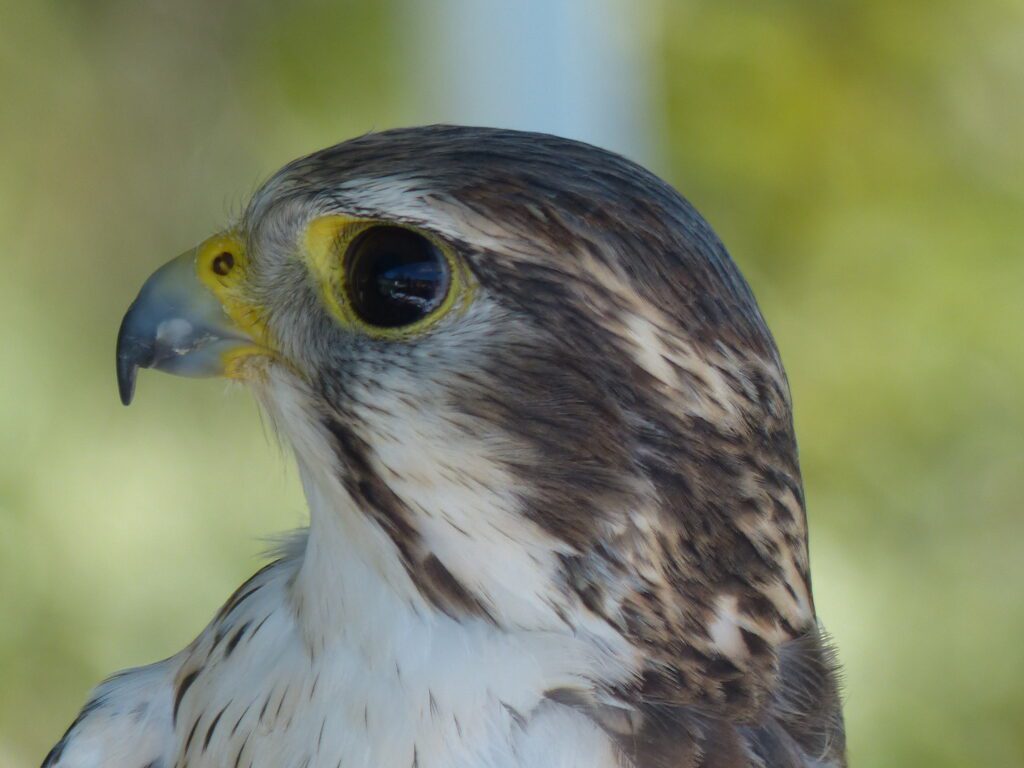
It’s fall already; raptor fans have been counting the migrating raptors at various mountain top sites for a few weeks, and I’m already noticing fewer soaring birds in the West Valley. Any day we may see Rough-legged Hawks that have migrated thousands of miles to call this home for the winter.
Continue Reading →
by Pat Jaquith
pat@westvalleynaturalists.org
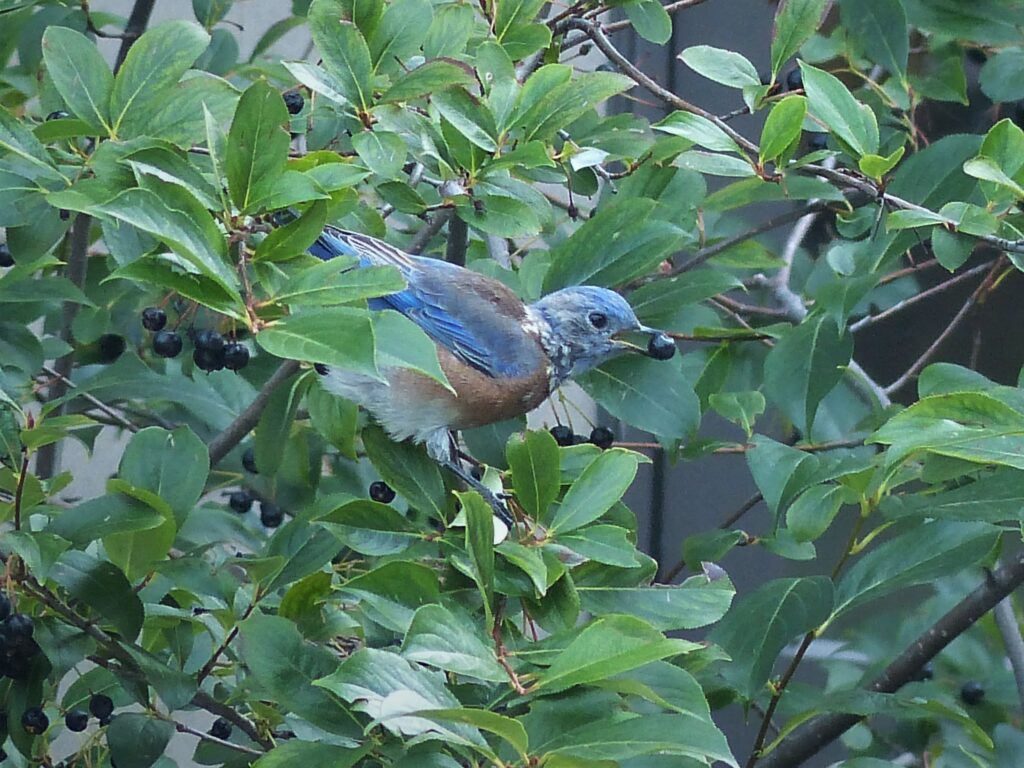
In spring and summer when birds are nesting and raising young, insects are prominent in their diets. The young fledge, and their diets tend more toward fruit, berries, and other high energy foods to fuel their needs for warmth if they’re staying here or energy for migrating.
Continue Reading →by Skip Via
skip@westvalleynaturalists.org
In every class, there is a class clown. If you put all ducks into a classroom, that role would probably be filled by the ruddy duck. I don’t know of any duck that is more amusing to watch.
Continue Reading →by Skip Via
skip@westvalleynaturalists.org
Both male and female coots sharing parenting responsibilities for their brood. However, they are not notoriously good parents, at least in one sense of the term. Coots usually hatch 7-9 chicks, but the parents–by some pretty draconian means–like to get that number down to a more feedable 3 or 4. How they do it is…not pretty.
Continue Reading →by Skip Via
skip@westvalleynaturalists.org
Bald eagles are a fairly common sight in the valley year ’round. In the summer, you’ll find them in trees along creek beds, around ponds and marshes, and even congregating around a roadkill deer. They are opportunistic feeders, preferring fish that they either catch themselves or snatch from other animals such as ospreys or otters, but they will happily take hares, birds, snakes, gophers, frogs, or whatever else is available, including roadkill.
Continue Reading →by Skip Via
skip@westvalleynaturalists.org
Kalispell’s West Valley is situated toward the northern end of the breeding range of the beautiful white faced ibis. The spring migration season of 2020 was witness to an unusually large number of these birds making their presence known in the valley. We’ve had multiple sightings of more than 50 birds at once at the Potholes and the West Valley Wildlife Viewing area (see Locations), and fewer at Bowser Lake in the Pig Farm state trust land area.
Continue Reading →By Linda De Kort
linda@westvalleynaturalists.org
THE SONG SPARROW, MELODIOUS AND HEARTY
As October arrives, many of the songbirds have left our valley. Some stopped for a while and raised a brood or two, some just passed through on their way to or from their breeding grounds.
Continue Reading →by Skip Via
skip@westvalleynaturalists.org
The valley is home to two bluebirds: the western bluebird and the mountain bluebird. We usually get at least one pair of western bluebirds in one of our birdboxes each spring due to our close proximity to open fields where they like to feed.
Continue Reading →by Skip Via
skip@westvalleynaturalists.org
West Valley is home for a huge variety of migratory and resident ducks and other waterfowl. While some waterfowl are waders (e.g., sandhill cranes, great blue herons, dowitchers) or skimmers (none around here, although some gulls do this occasionally), ducks can be broadly separated into two groups based on how they obtain food: dabblers and divers.
Continue Reading → by Pat Jaquith
pat@westvalleynaturalists.org
Bowser Lake is a shallow lake in a bentonite depression in the western part of Pig Farm; with only meltwater or rain to fill it, it evaporates rapidly, but it attracts an interesting variety of birds while it has water.
Continue Reading →
by Skip Via
skip@westvalleynaturalists.org
A pair of great horned owls nest near my home between West Valley and Farm to Market roads. Each year, we see 1-3 juveniles (and at least one adult) in the ponderosa pines in our yard. From there they can watch for voles and gophers in the agricultural fields next to our property. We find lots of owl pellets and more than a few feathers–especially the downy ones that are dropped as the juveniles mature.
Continue Reading →