One Summer in a Lady’s Slipper’s Life

by Pat Jaquith
pat@westvalleynaturalists.org
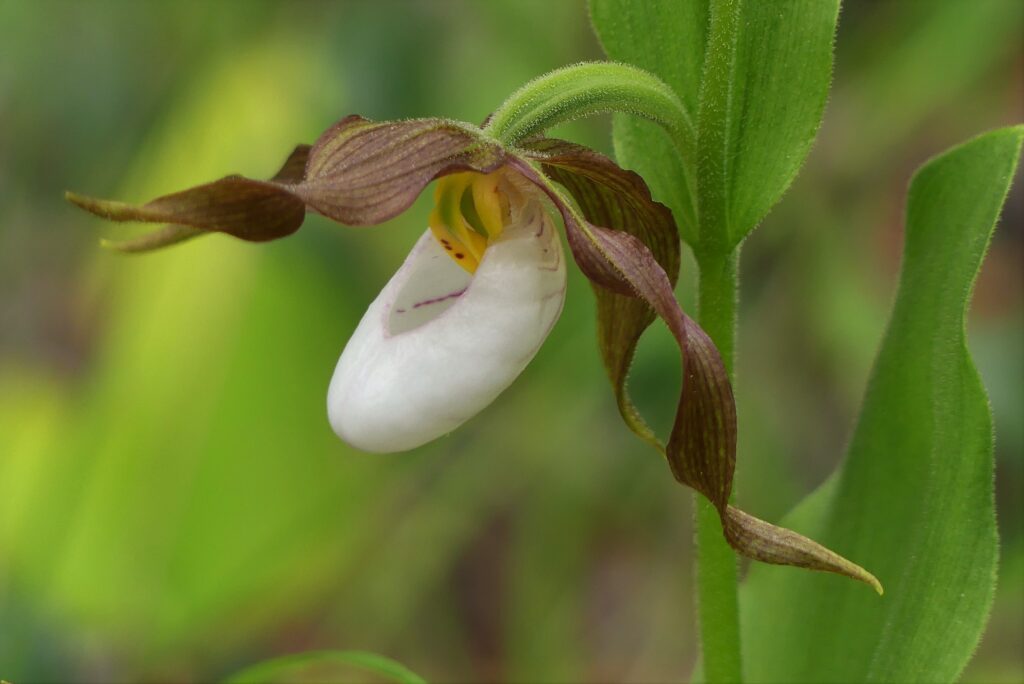
Cypripedium montanum (Mountain Lady’s Slipper)

The Mountain Lady’s Slipper, aka White Lady’s Slipper, is a striking sight, whether as a single stalk like this one or a in big clump. Although their very existence requires an amazing amount of chance and even the support of a fungal partner, they find a niche that works for them in our area. I visited this solitary plant at least once every month from June to October, 2022. Read on to watch its progress.

Continue Reading →
Those Awesome Calypso Varieties

by Pat Jaquith
pat@westvalleynaturalists.org

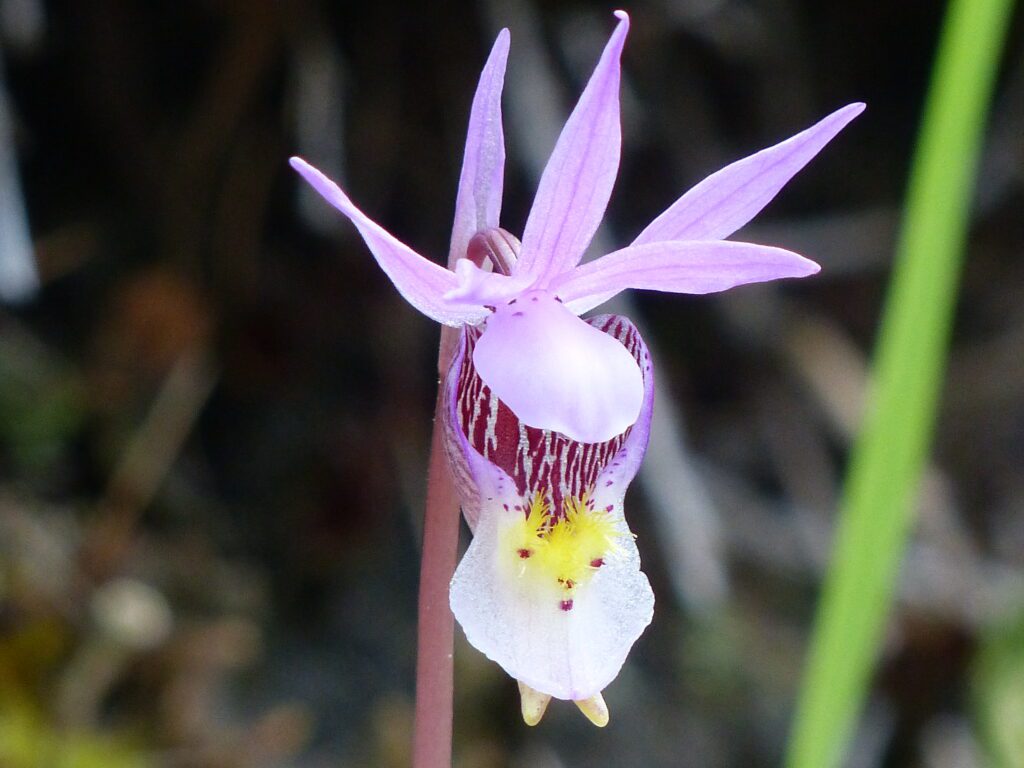
Little gnomes of the forest have misplaced their slippers in many locations. From the time I’ve spent looking at them, it occurs to me that in some past life I might have lost my shoes and feel compelled to continue looking for them! Orchids have been my favorite plant family for years, but I had never seen a Calypso bulbosa before arriving in the West Valley. Since then, I’ve learned a lot about them, and this year I’ve come to understand how some of those facts fit together. In this article, I will share my pictures and the information I’ve learned about two Calypso bulbosa varieties, one nothovariety, and a variant that I have found.

Calypso bulbosa var. americana (Fairy Slipper)
Continue Reading →

Calypso Orchids

By Skip Via
skip@westvalleynaturalists.org

Although most people think of orchids as tropical plants, Montana is home to 31 species of orchids, almost all of which are found in the western part of the state. In the West Valley area of the Flathead Valley, the orchid you are most likely to encounter is the beautiful Calypso orchid. “Most likely” in this case does not mean common–they’re still a rare treat to encounter on a hike.

Continue Reading →

Spotted Coralroot Orchid

By Skip Via
skip@westvalleynaturalists.org

One of the less common—and certainly one of the most unusual—flowering plants you might encounter in the valley is the spotted coralroot orchid. At first glance it may appear to be dead. It has no leaves, and it can be a deep brown color. But look closely and you’ll find an exceptionally beautiful orchid.

Continue Reading →