by Pat Jaquith
pat@westvalleynaturalists.org
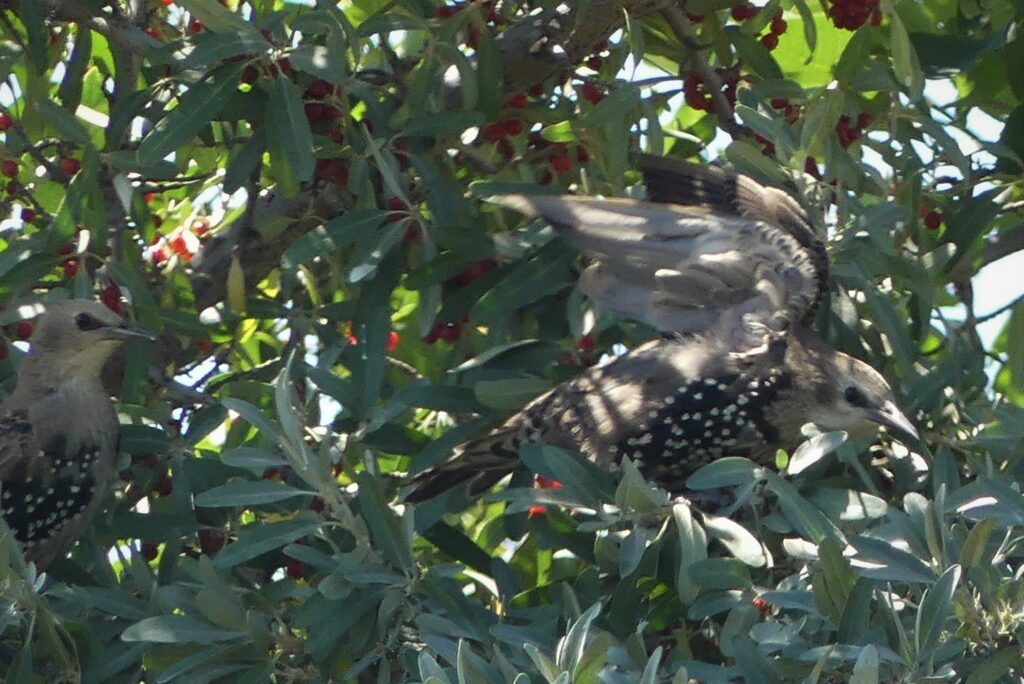
What are those beautiful birds feeding on the shiny red berries of roadside shrubs? They are the size of adult birds, but they don’t resemble any I can think of!
Continue Reading →The natural environment and history of Kalispell’s West Valley area
by Pat Jaquith
pat@westvalleynaturalists.org
What are those beautiful birds feeding on the shiny red berries of roadside shrubs? They are the size of adult birds, but they don’t resemble any I can think of!
Continue Reading →by Pat Jaquith
pat@westvalleynaturalists.org
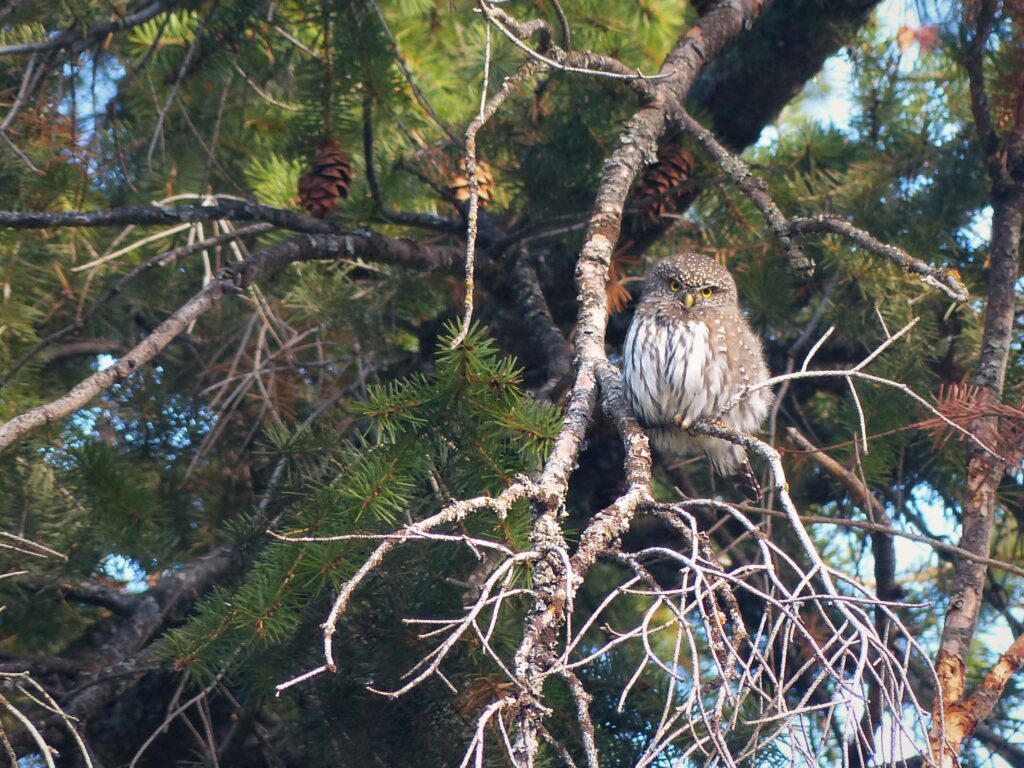
Seeing owls is always an unexpected treat because their schedule is generally opposite of mine! But occasionally, one of the several species that live in the West Valley does pass my way in daylight. These predatory birds’ coloration blends in with their environment and makes them very hard to spot. With the exception of the diurnal Pygmy Owl, their wing feathers are structured to propel them silently through the air, and their ability to perch motionless and wait and listen for prey to reveal themselves are characteristics that are key to their success as hunters.
Continue Reading →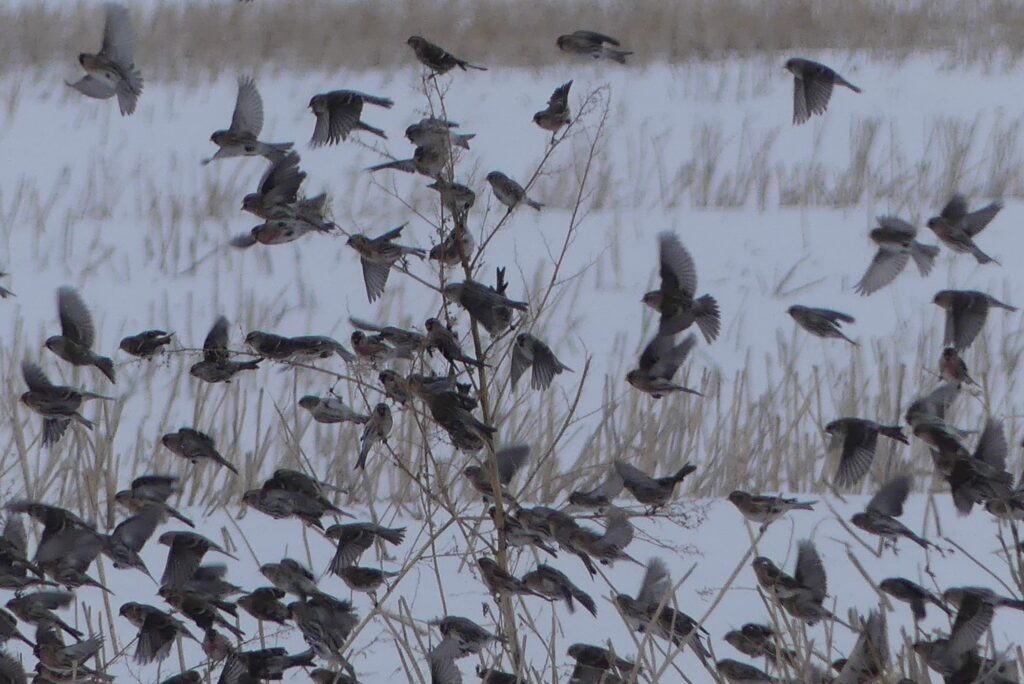
Northern winters can be tough!! Arctic temperatures, deep snow and ice-covered roads can be enough to send some of us south. Sometimes birds that typically live north of here head south, too, but it’s food shortages that prompt that decision, and they set out in search of better ‘pickings’ . Read on to see pictures of Redpolls, Evening Grosbeaks, Bohemian Waxwings, and White-winged Crossbills that I have seen here in recent years.
Continue Reading →by Skip Via
skip@westvalleynaturalists.org
There are two common recommendations for maintaining and increasing the population of native bee species: plant native plants and provide a bee house of some kind so that the insects can overwinter or deposit their eggs and have a safe place for their larvae until the spring when they emerge. This article describes an attempt to do these as complementary processes.

a presentation by Laura Katzman, Flathead Land Trust
September 28 2022
We are grateful to Laura for allowing us to share her slides from her presentation “Sandhill Cranes,” West Valley School, September 2022
Sandhill-Cranes-Presentation-by-Flathead-Land-Trust-Sept.-2022by Pat Jaquith
pat@westvalleynaturalists.org

John James Audubon described the diminutive (4.25″) Violet-green Swallow as “the most beautiful of all the genus hitherto discovered.” Indeed, there are few birds in our neighborhood that can compete when the sun illuminates the iridescent emerald green cape, amethyst and sapphire wings and back set off by a clean bright white belly, neck, and face. Read on for an account of one pair raising their young from a nest under the eaves.
Continue Reading →by Pat Jaquith
pat@westvalleynaturalists.org
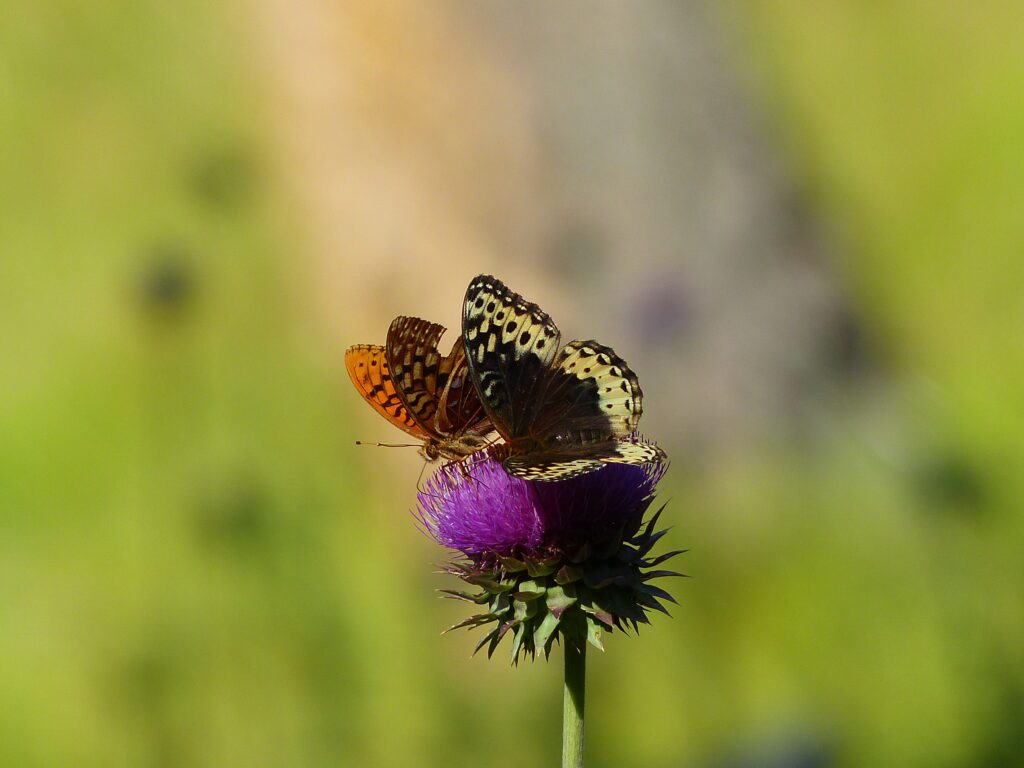
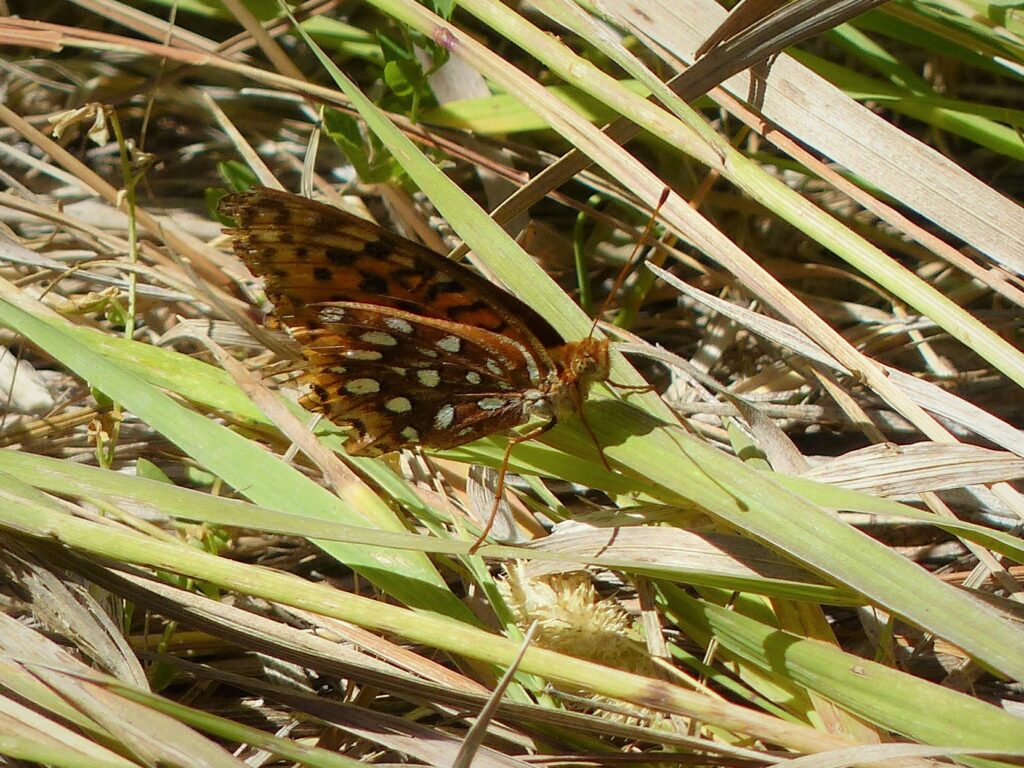
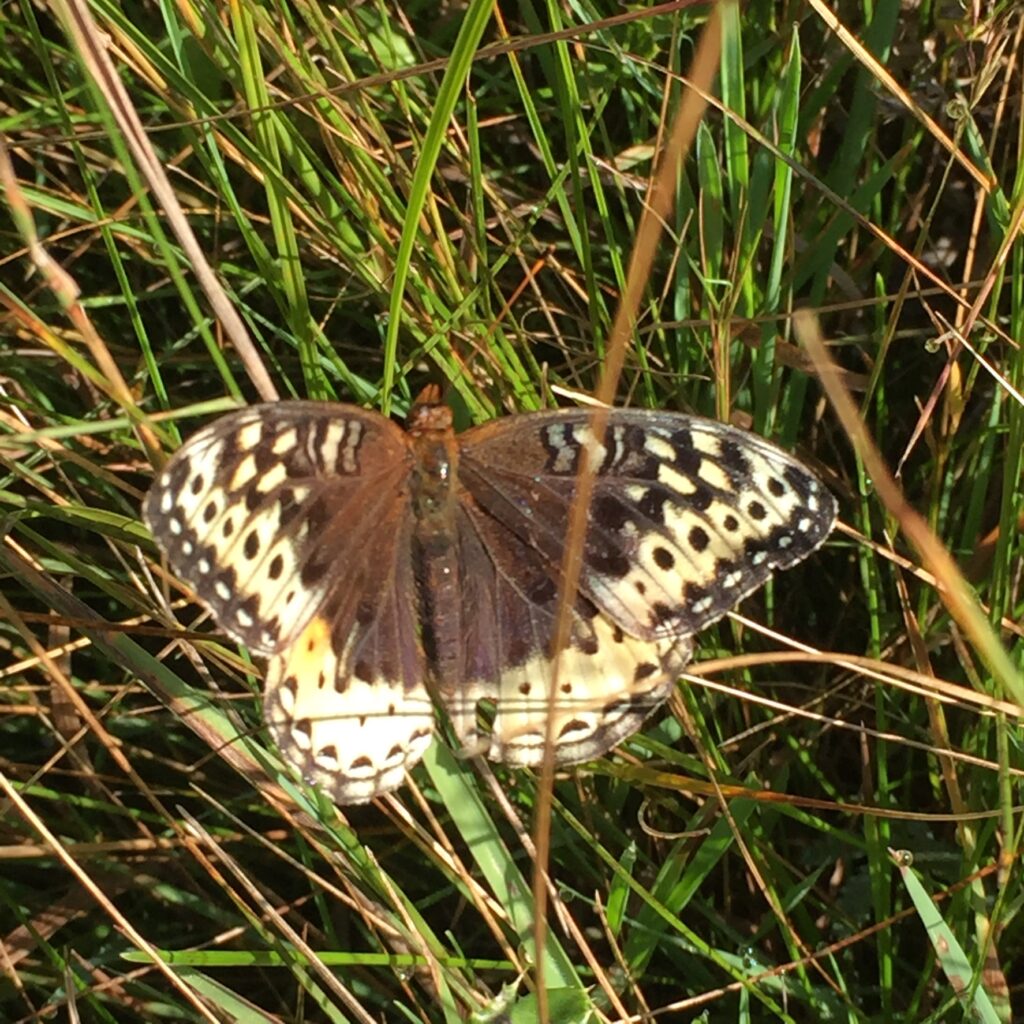
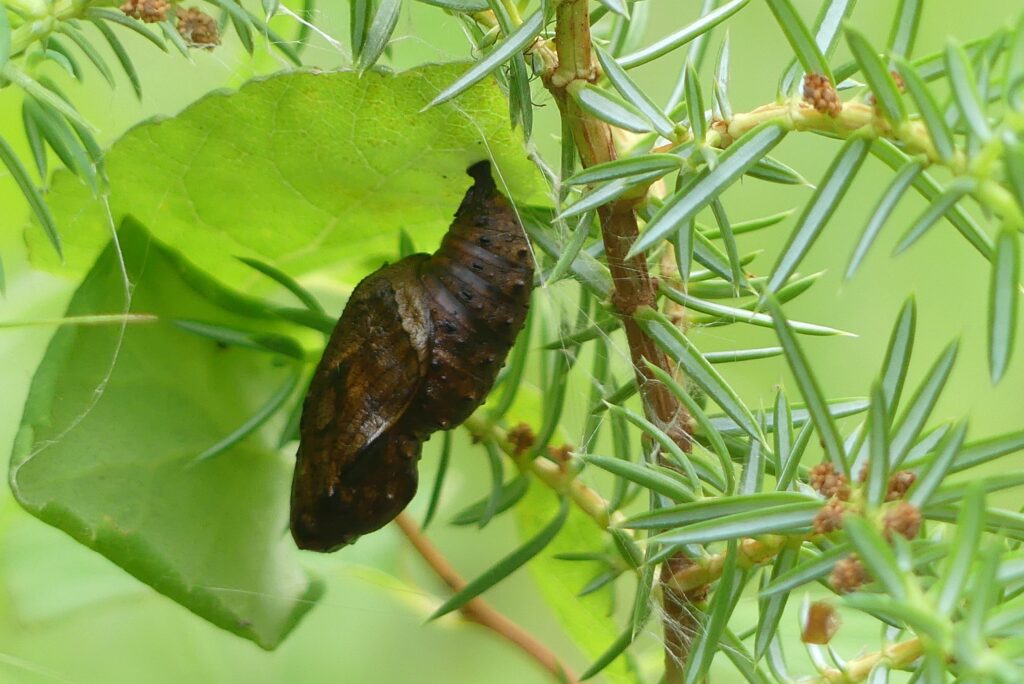
The male of this species is bright orange and brown; the female is brown with a patterned cream-colored border. The host plant for the Fritillary caterpillars is the violet. That’s where the female will lay her eggs, so you may see her spending a lot of her 14 – 45 day life seeking out violets. The eggs hatch in 10 to 15 days. The caterpillar will feed on violet leaves and overwinter in the protection of vegetation near violets; in spring it will continue to munch on the new violet leaves until it forms a chrysalis. It goes through its final transformation in about 2 to 3 weeks before hatching out as a butterfly.
by Skip Via
skip@westvalleynaturalists.org
This article has two purposes: to illustrate my July 2022 newsletter post about macro photography and to highlight one of the multitude of opportunities we have here in the valley to view nature’s wonders.
All of the photos in this post were taken during and just after a light rain in Happy Valley (see Locations) on June 21, 2022. For the photographically inclined, I was using the Halide app on an iPhone 12 Pro for the macro shots. Aside from cropping some shots, no additional editing or filters were used. What you see is exactly what came out of the camera. Please notice the minute detail that can be captured with macro photography–the raindrops on the mariposa lilies, the feathered edges of the tailed-blue butterfly’s wings, the fuzzy leaves and stem of the cinquefoil, the backlighting on the forget-me-nots, etc. It’s a whole new world down there at the macro level. Also notice that the backgrounds of most shots are blurred. This is called the “bokeh effect” and it’s a natural function of macro photography, which uses a shallow depth of field. It does make for some dramatic photos, calling attention to your subject matter.
Click on any image to enlarge it.
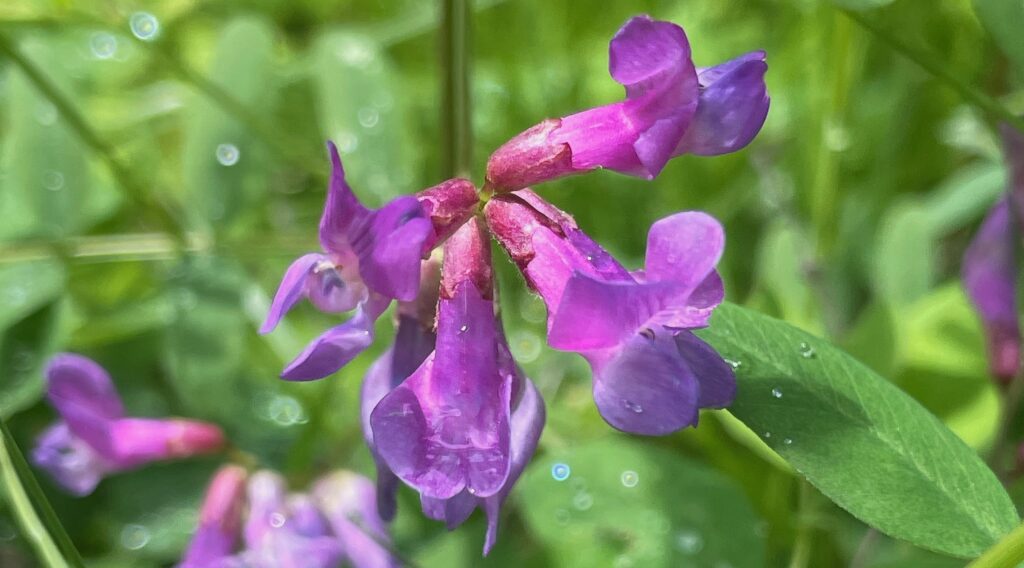
by Pat Jaquith
pat@westvalleynaturalists.org
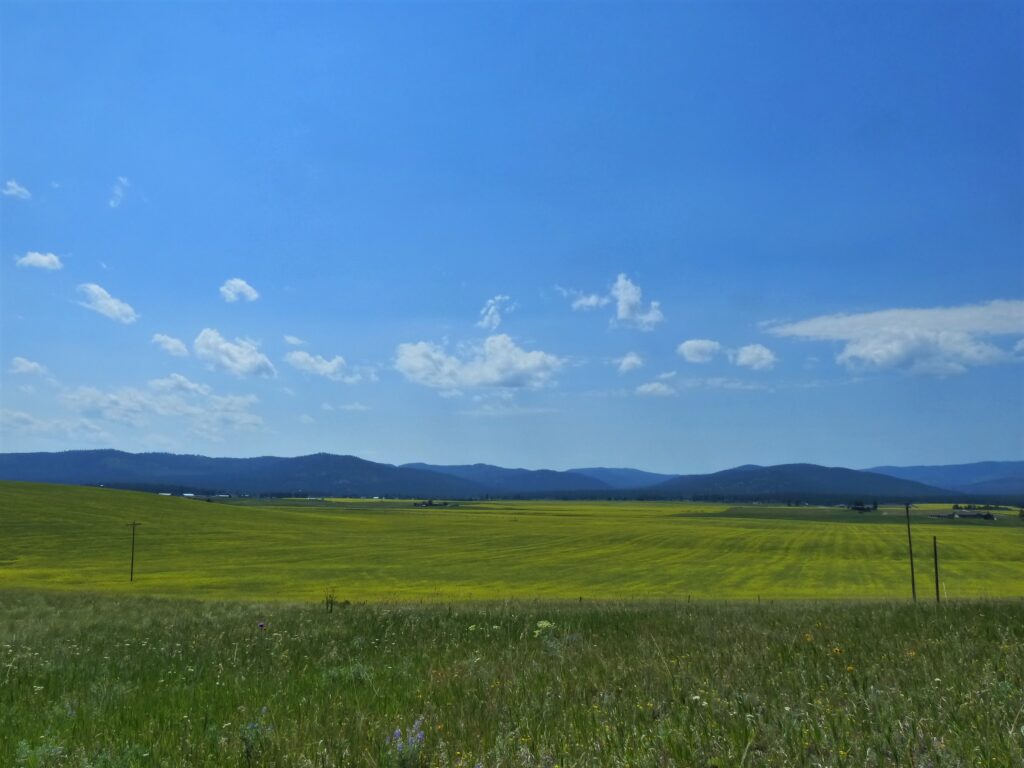
July is filled with awe-inspiring sights; it is hard to decide what is most representative of the month. Fields, forest, hilltops, and more. . .read on to see some of the sights I’ve enjoyed in this busy month.
Continue Reading →by Skip Via and Pat Jaquith
skip@westvalleynaturalists.org pat@westvalleynaturalists.org
Click on an image to enlarge it.
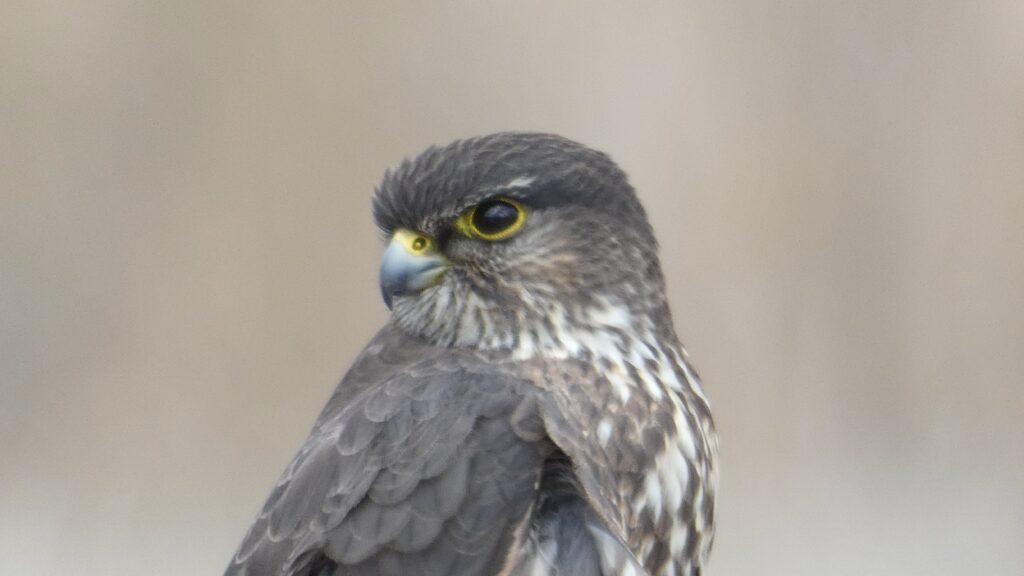
There are five species of falcons that live in North America, and West Valley plays host to all of them at some point in the year. If you’re observant (and quick, as falcons tend to spook easily), you may be fortunate enough to see them all.
by Pat Jaquith
pat@westvalleynaturalists.org
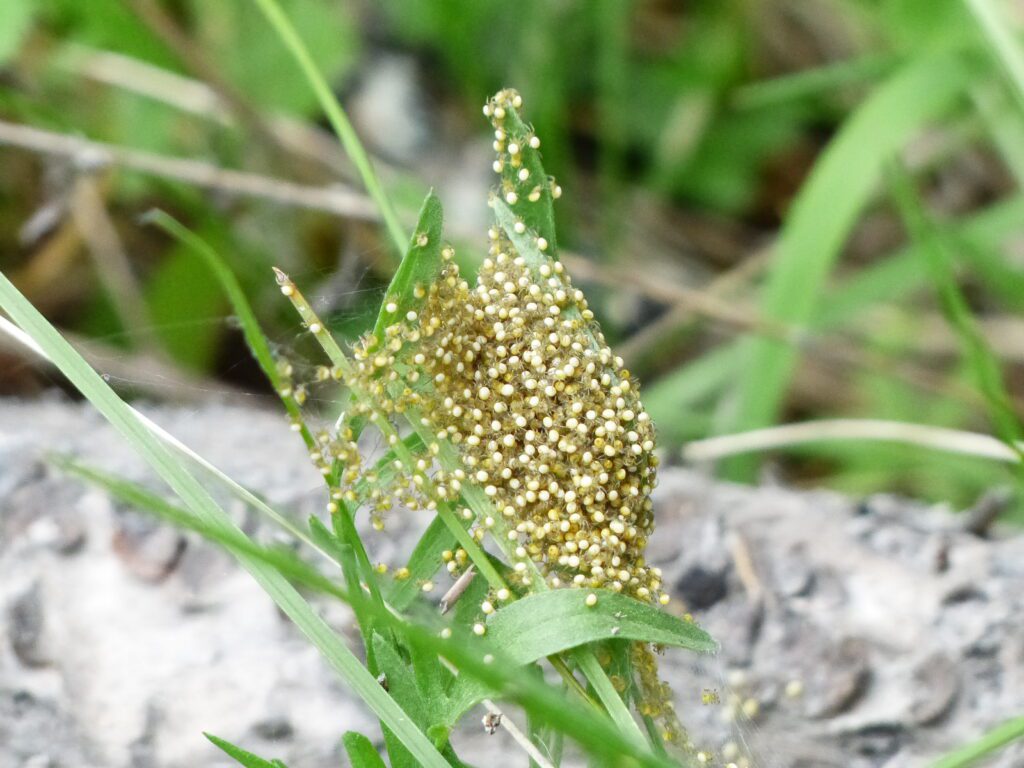
What on Earth is that??? Read on to see if you got it! I’ll share more sightings that puzzled me on my outings.
Continue Reading →by Pat Jaquith
pat@westvalleynaturalists.org
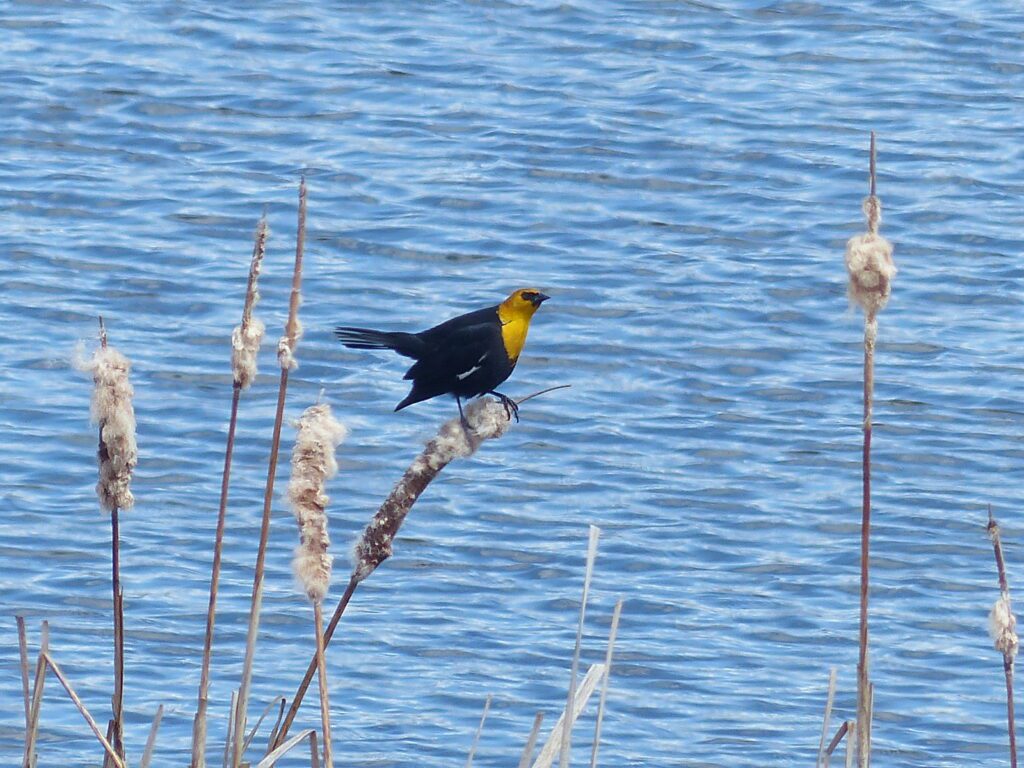
Nothing shouts out, “It’s Spring! I’m back! quite as loudly as a Yellow-headed Blackbird. But so many things announce the season in their own style. Maybe you’ll find your favorite among the following selection.
Continue Reading →by Pat Jaquith
pat@westvalleynaturalists.org
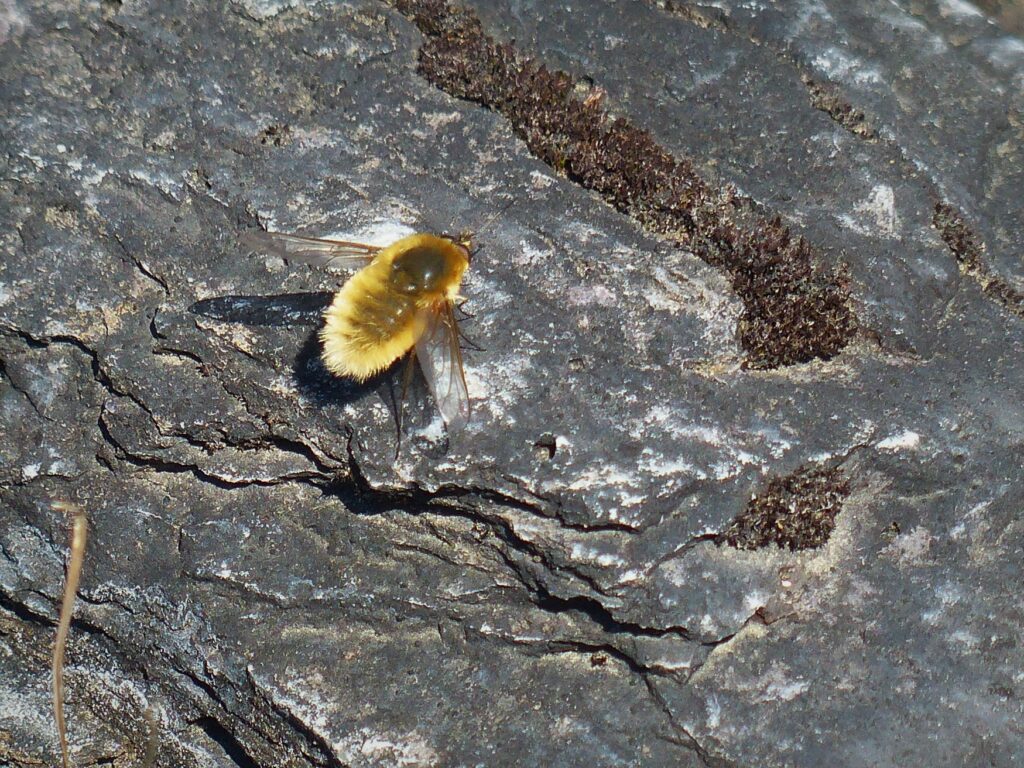
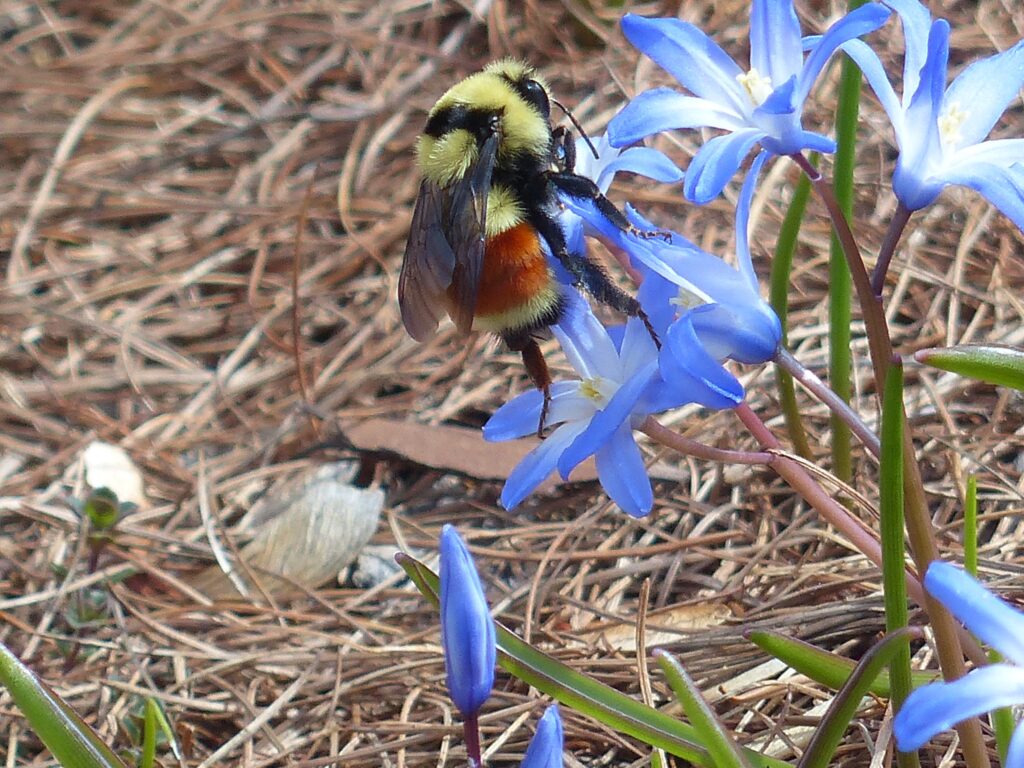
As I write this on a rainy day in March, my mind is drawn to thoughts of spring, perhaps because just yesterday I was walking partly in mud, partly on ice, torn between the need for rubber boots or ice cleats. In a similar vein, in summer as I observe flowers and the insects that are drawn to them, I wonder whether I should beware of the stinger or relax and admire the industrious work of the flying creatures. In this article, I’ll share some helpful tips I have learned from researching that question.
Continue Reading →by Pat Jaquith
pat@westvalleynaturalists.org
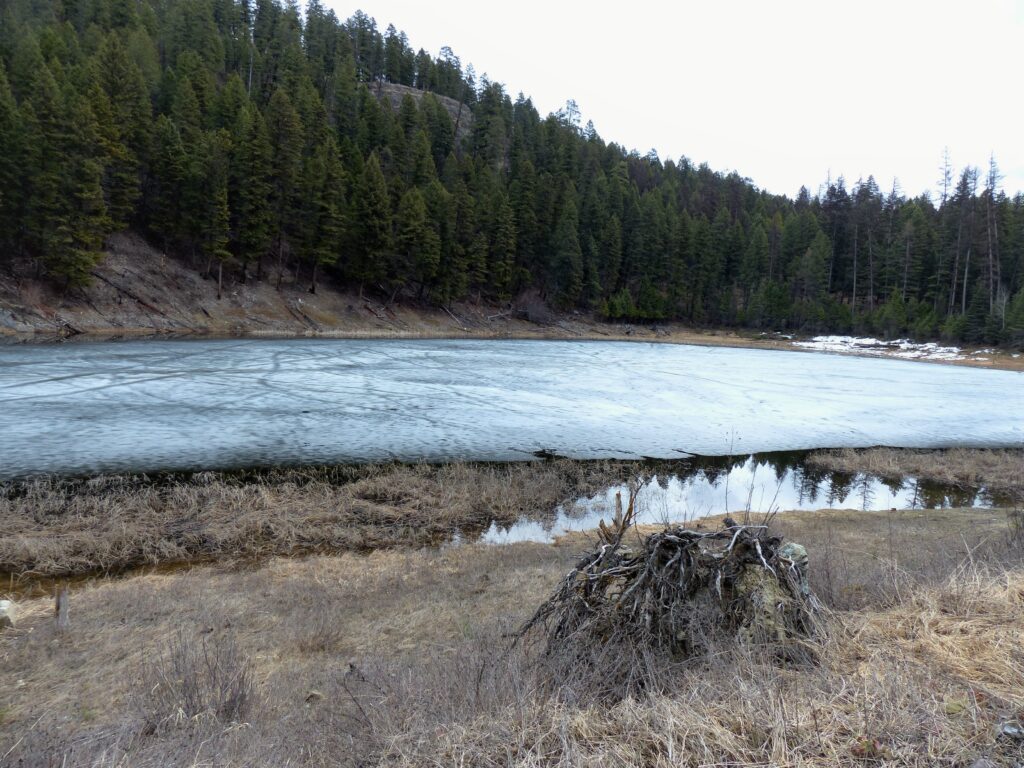
I’ve never given much thought to what goes on in a pond once it freezes, but this year I have made some discoveries that will have me looking at that environment with new interest.
Continue Reading →Pat Jaquith
pat@westvalleynaturalists.org
Skip Via
skip@westvalleynaturalists.org
As much as we enjoy the beauty and variety of northwestern Montana winters, we do sometimes find ourselves thinking about the colorful visual landscapes of summer. And few elements accentuate that beauty as elegantly as our local butterfly population does.
This page is Part 1 of a series of three pages:
Seen Fluttering By 1 (Fritillaries, Tortoiseshells, Checkerspots, Commas and Swallowtails)
Seen Fluttering By 2 (Skippers, Sulphurs, Julias, Admirals, Crescents and Blues)
Seen Fluttering By 3 (Miscellaneous)
