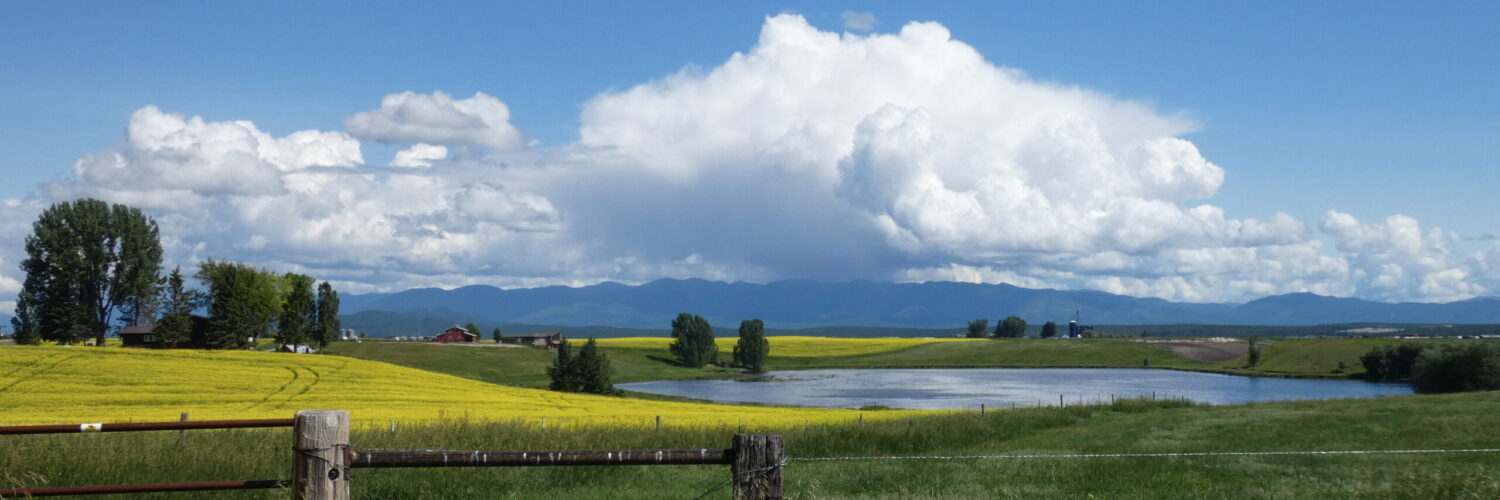
Some Spiders in West Valley

by Pat Jaquith
pat@westvalleynaturalists.org

Spiders can be called creatures of one summer that hatch or emerge from diapause as the weather warms and reach maturity in late summer. These predatory insects employ various means to capture their prey.

Read more: Some Spiders in West Valley
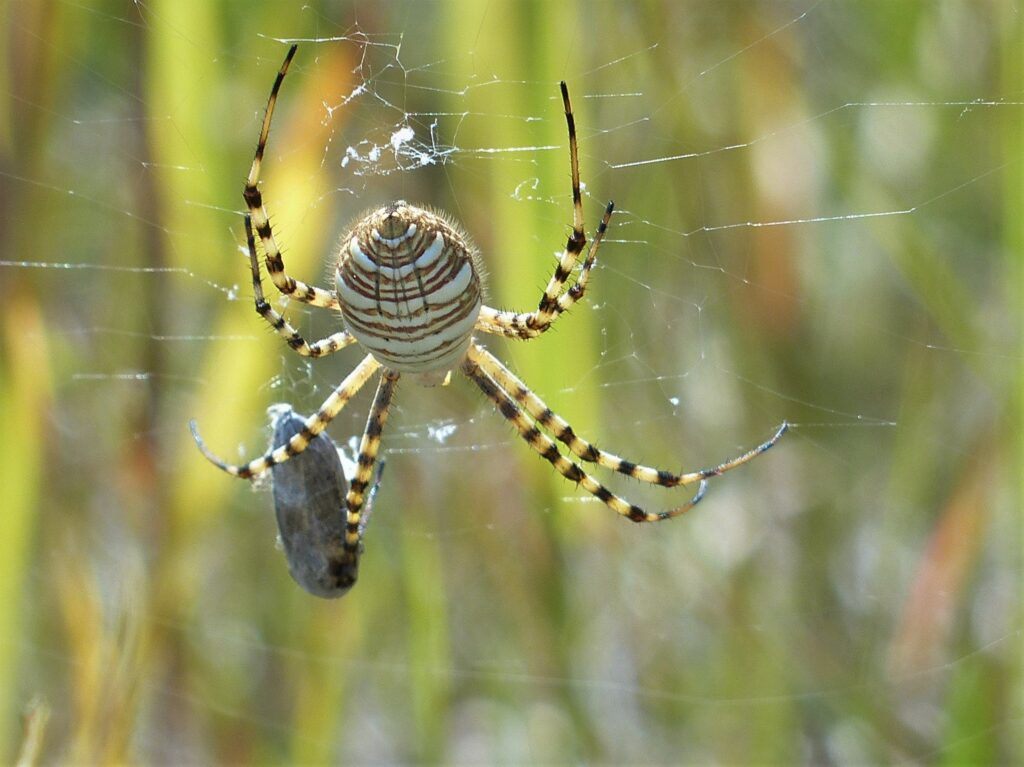
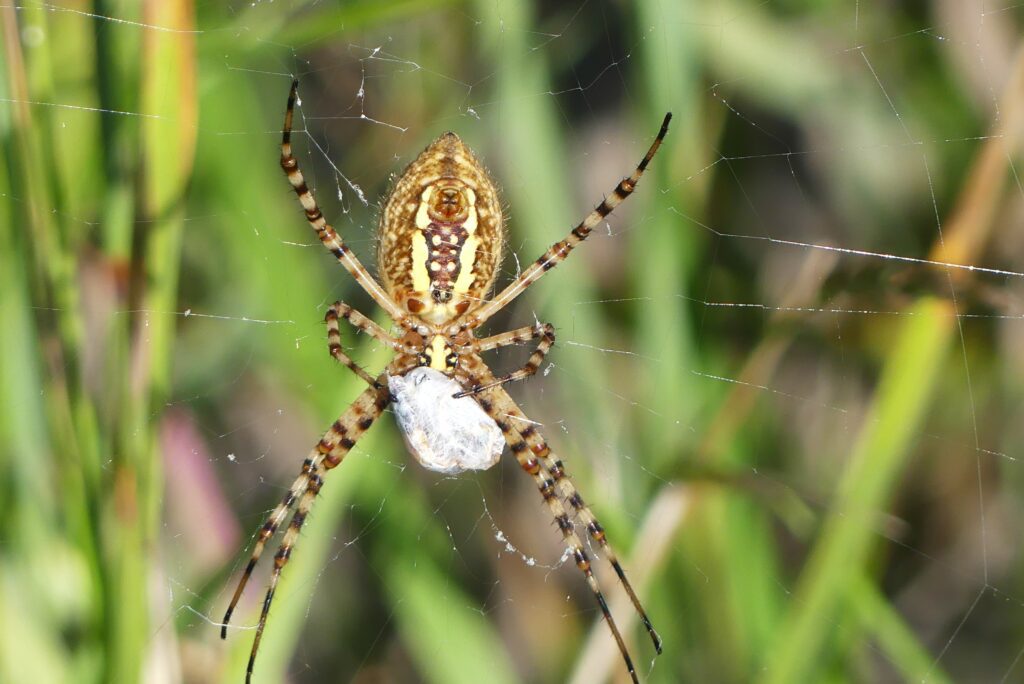
The large Banded garden Spider lays in wait at the edge of the web; when it senses an insect in their web, it attacks with a bite that stuns the prey and liquifies their inner parts. It encases the stunned insect cocoon-like before devouring the liquid nutrients.
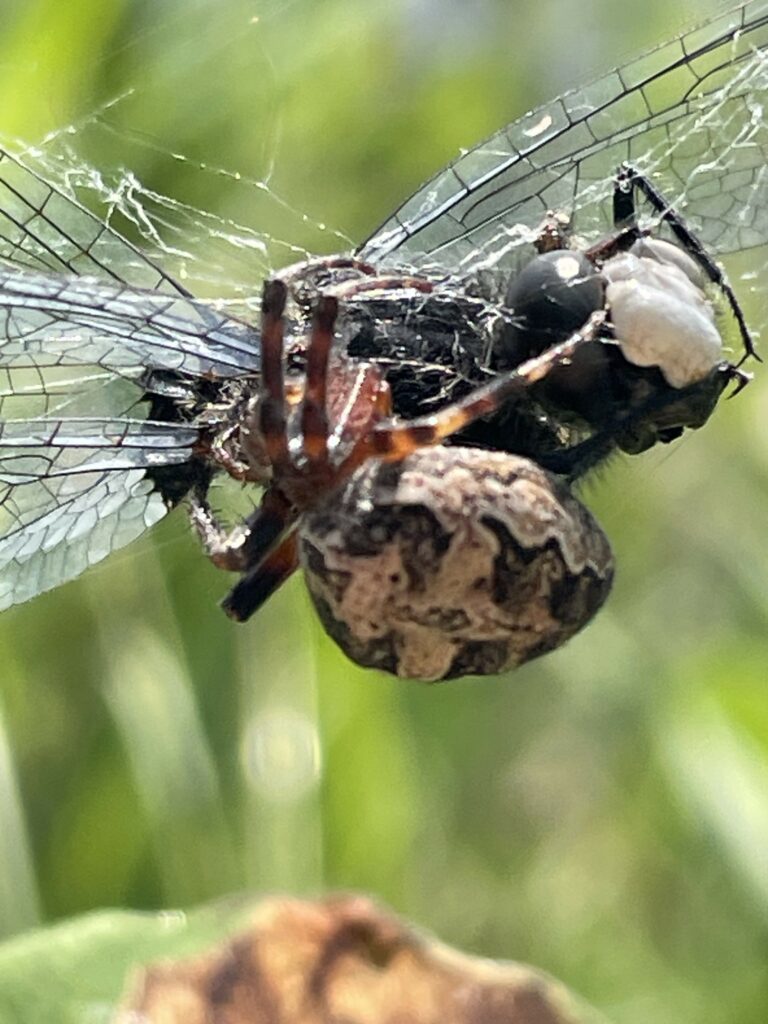
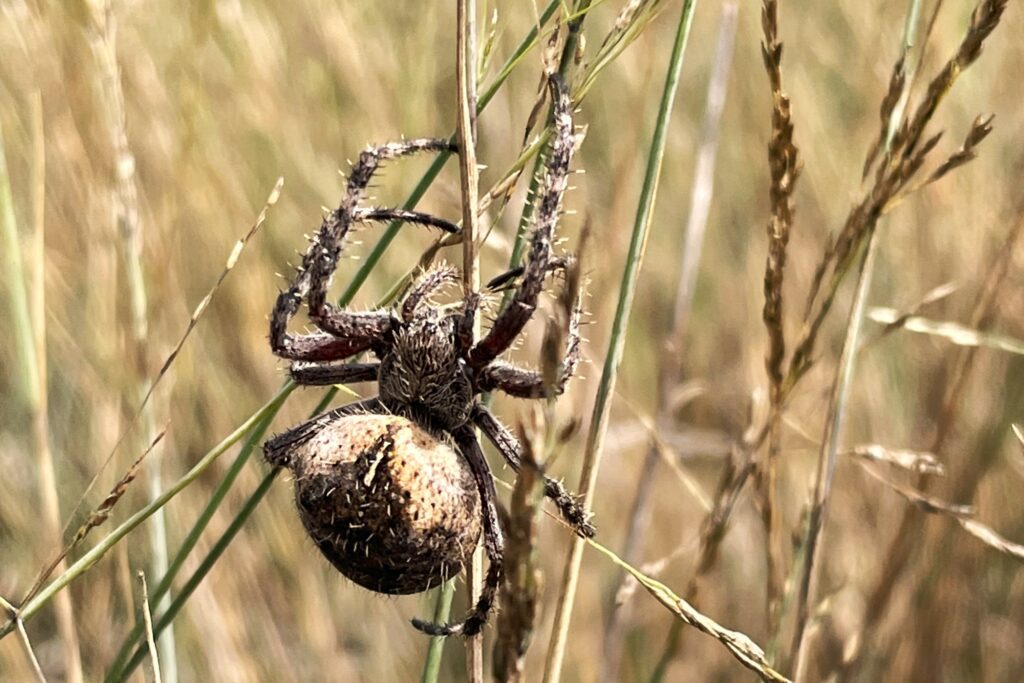
All of the above Orb weavers catch their prey in a trap they spin.
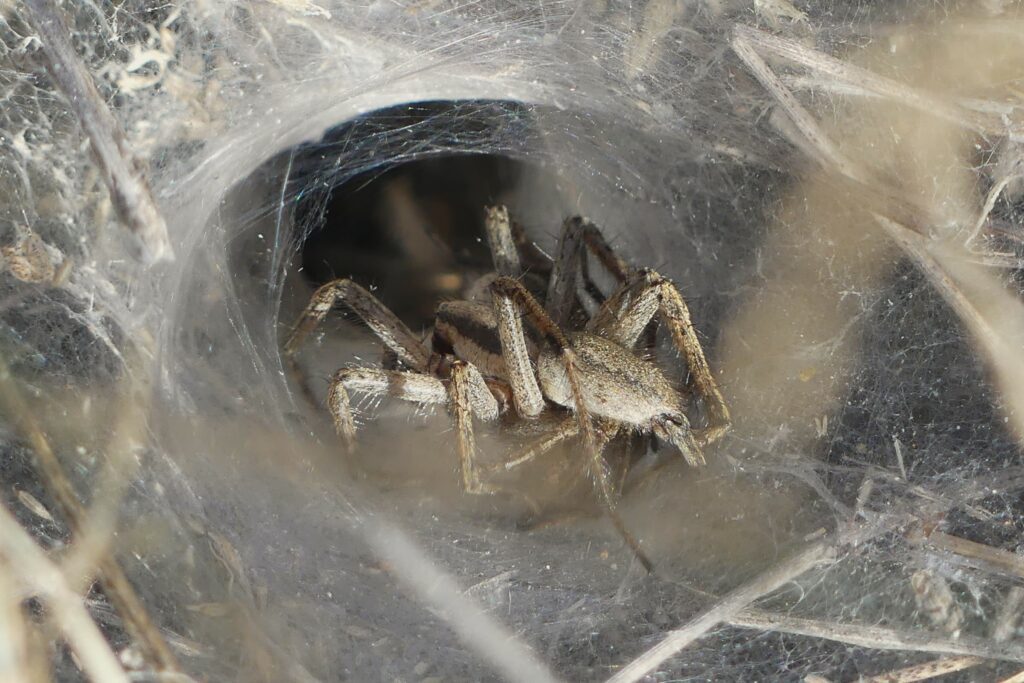
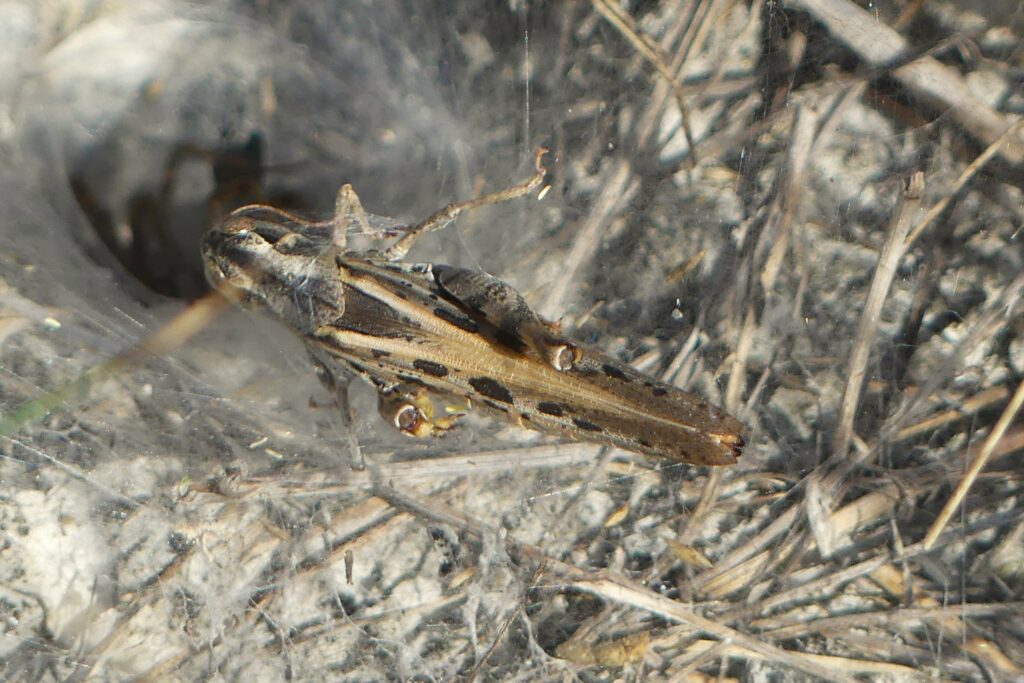
Funnel-web Spider Clear-wing Grasshopper in funnel web

The Funnel-web spider spins a sheet-like web shaped like a funnel on the ground. The spider usually lies in wait at the end of the tube; when an insect becomes entangled, it pulls the prey down into the ground where it devours it.
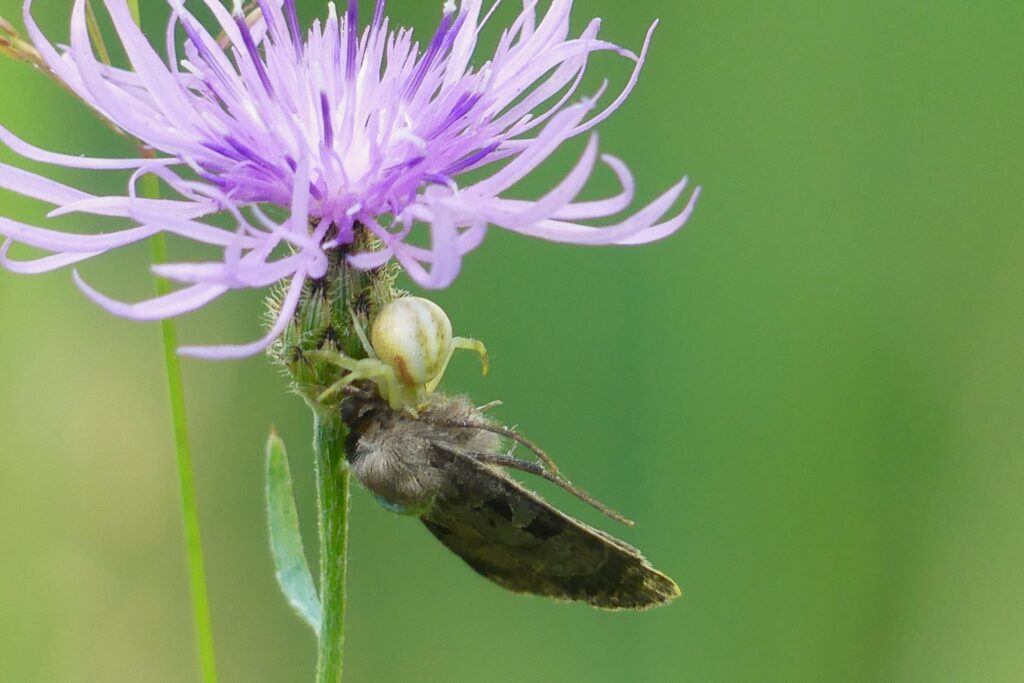
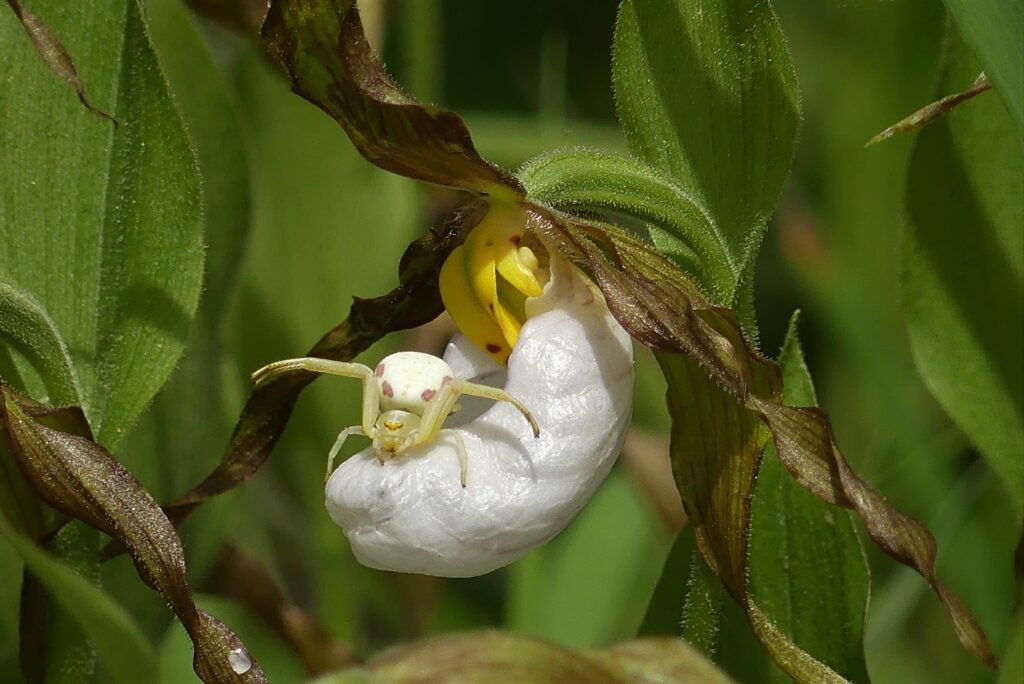
Crab spiders, sometimes called ambush bugs, lie on a flower in wait for an insect to visit the plant. When the visitor becomes engrossed in its work, the Crab spider dashes in and paralyzes the insect with venom in its bite.
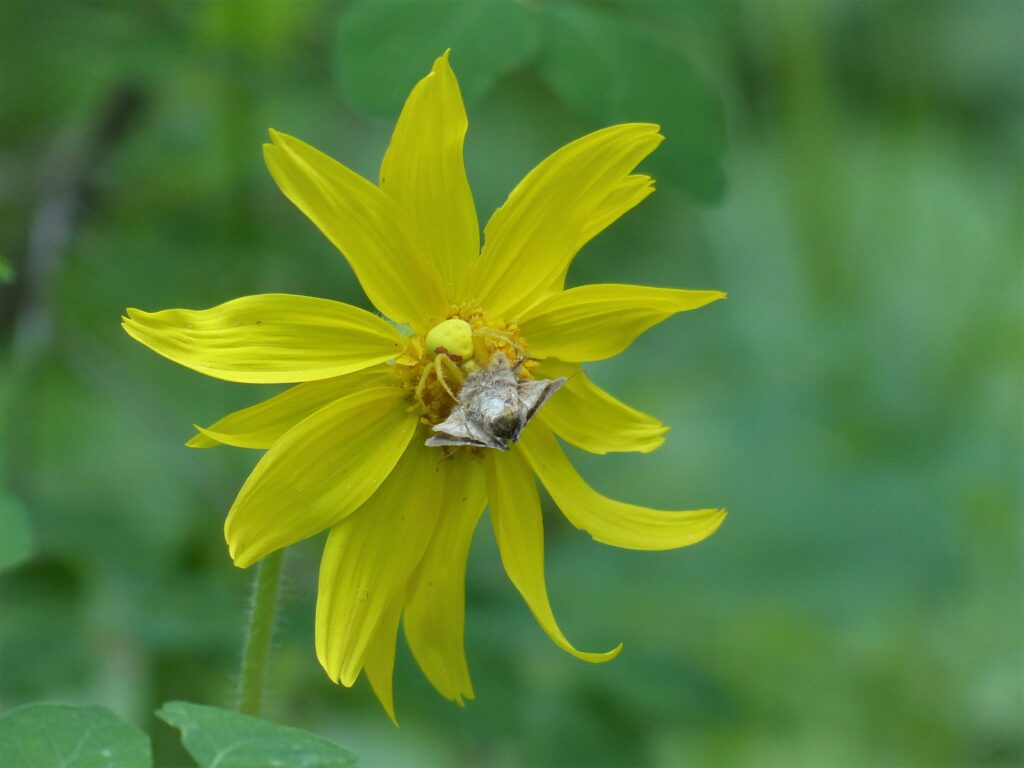
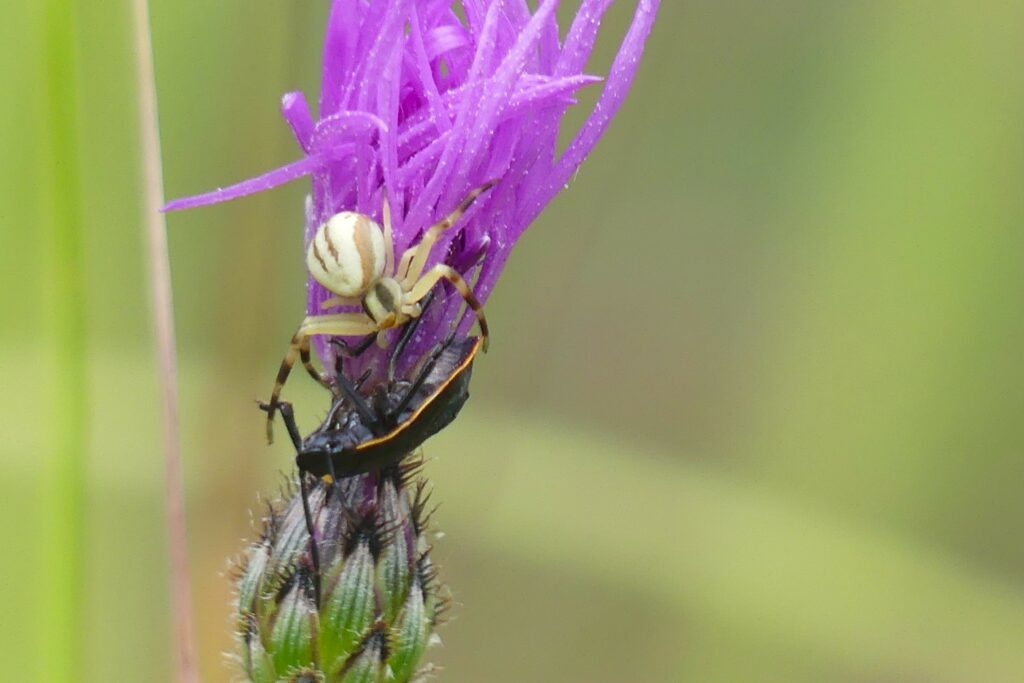
Goldenrod Crab spiders are able to change color to match the flower it chooses. It takes a few hours after it arrives at the flower where it will spend time in wait. Most of the Goldenrod Crab spiders I have seen were colored like the one on the Spotted Knapweed, regardless the color of the flower.
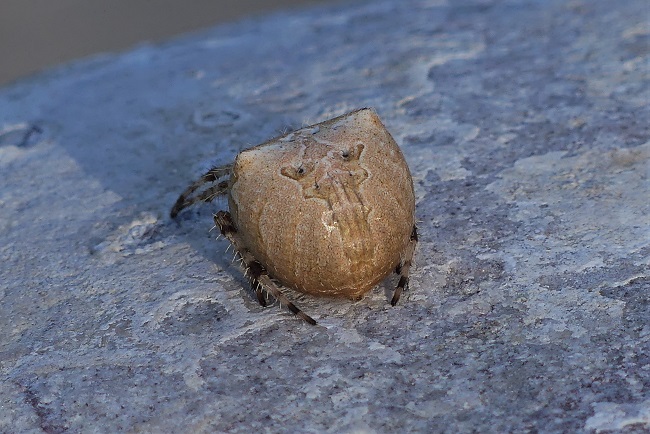
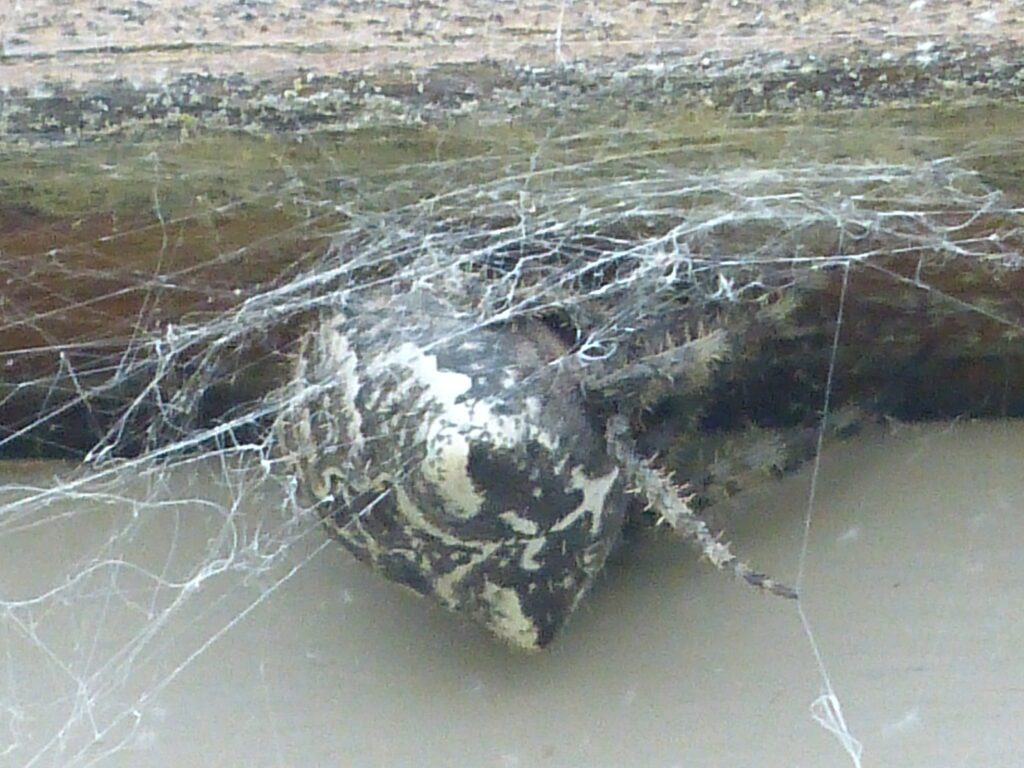
The Cat-faced spider at right was gone the next time we checked this web site under a window sill. In its place was an egg sac. These spiders die after laying their eggs, just before a hard frost. The eggs will hatch in spring and live to predate on other insects around the house.

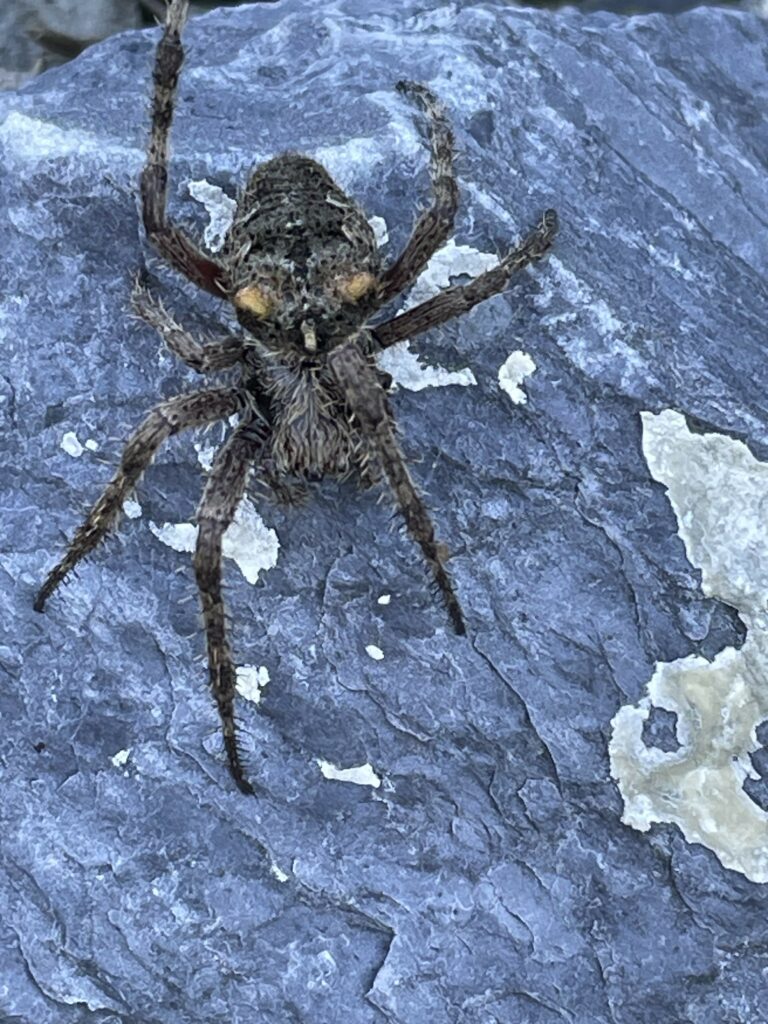
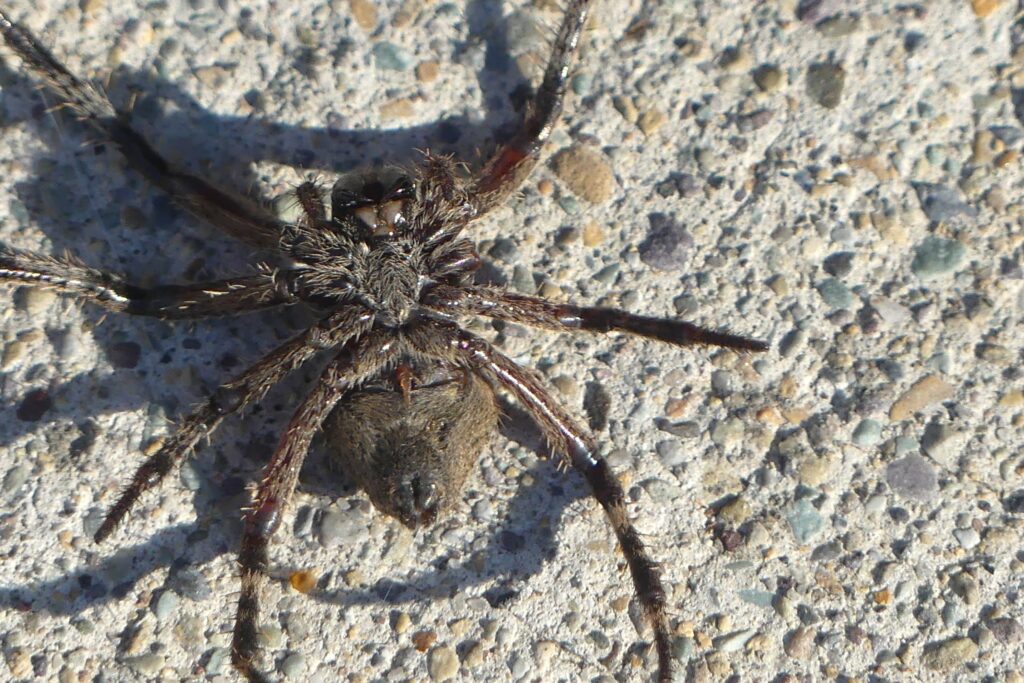
This Fierce Orbweaver (identified with help of iNaturalist), was climbing up the door to my house. Not recognizing it, nor wanting to invite it inside, I very cautiously lured it away with a stiff plant stem. If I got too close, it reared back and waved its front legs as if boxing. While it moved across the driveway, it left a string of silk from the hole visible in the right photo; it seemed to use it as an anchor to help flip onto its back. The Fierce Orbweaver is listed as a native species in Montana.
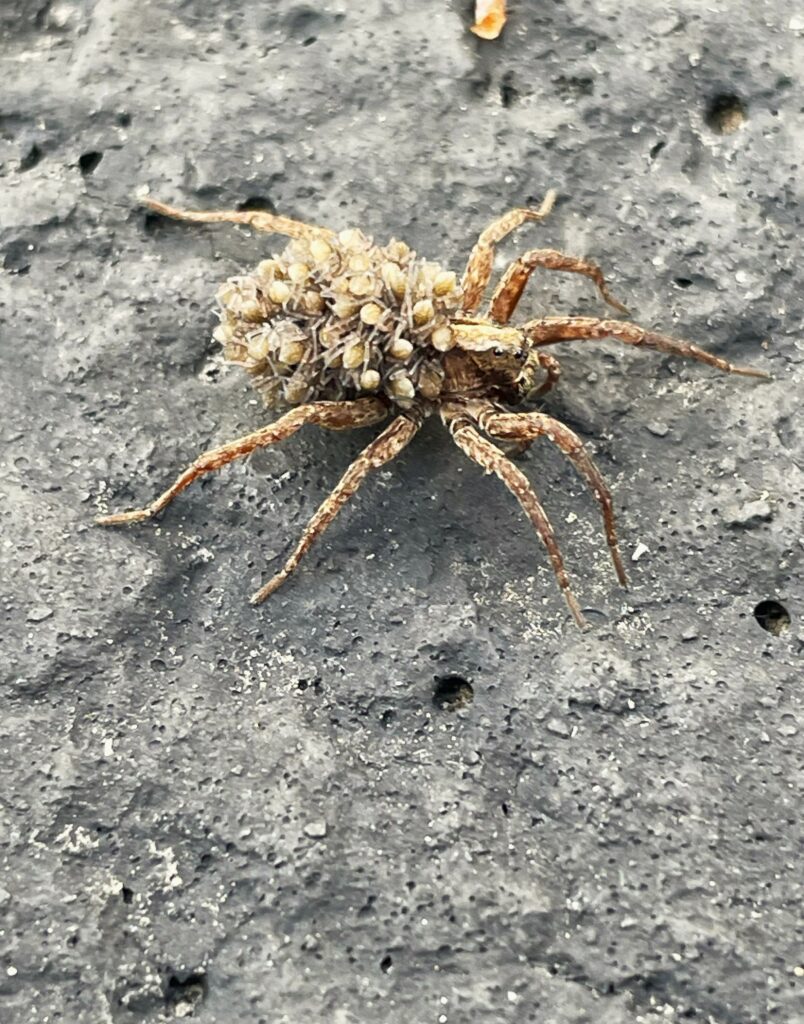
Wolf Spider with spiderlings on her back

Female Wolf Spiders carry their egg sac on their back; when they hatch, the babies ride there. They will fall off in leaf litter where they go into diapause until spring. This spider was crossing a sun-warmed driveway in early evening in September.
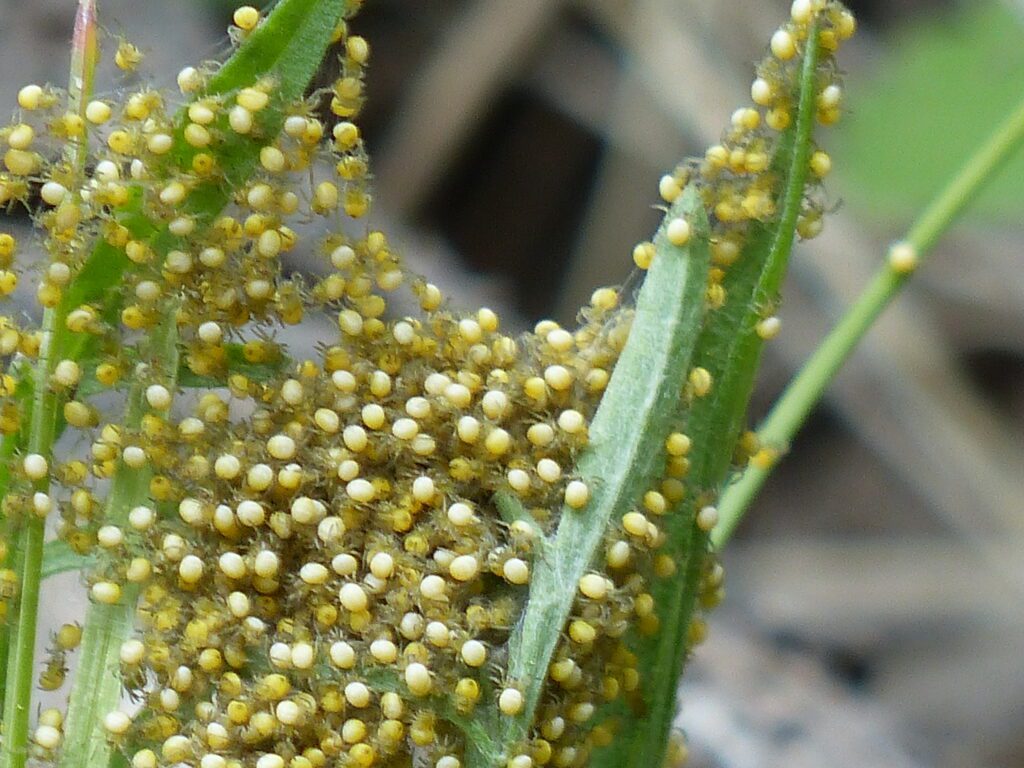
Nest of spiderlings on May 23. While I watched, the babies would crawl up a blade of grass and float off on a spinneret in the wind. I did not wait long; only a few had dispersed over the nearby wetland.
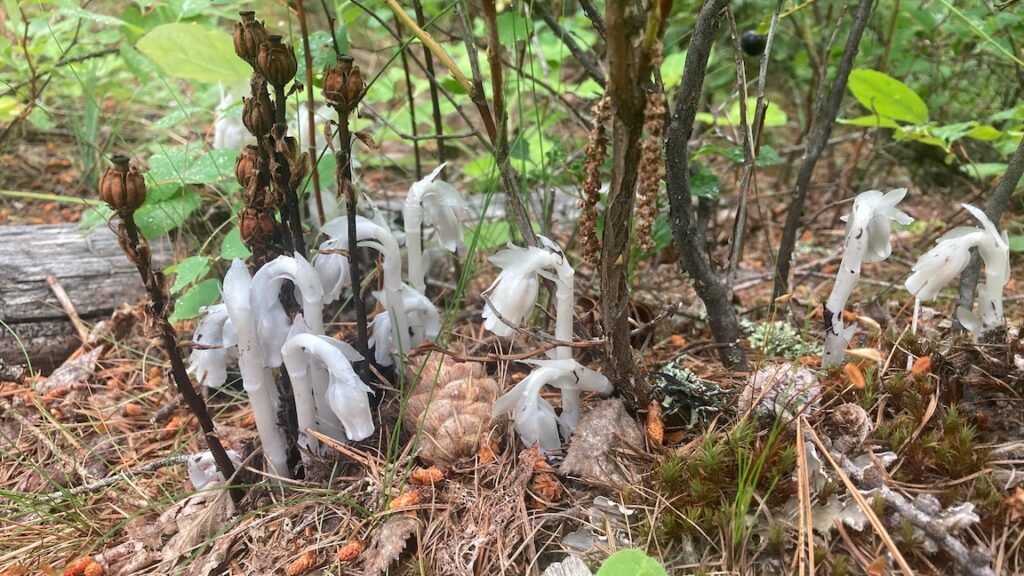
Ghost Pipe

by Skip Via
skip@westvalleynaturalists.org

Ghost pipe, which is known by many other names including ghost flower, corpse plant, and Indian pipe, may be found in the West Valley area. If you do run across any, please take a few photos and then leave it alone, for reasons that will be explained below.

Continue Reading →

Common Buckthorn, a Noxious Plant

by Pat Jaquith
pat@westvalleynaturalists.org

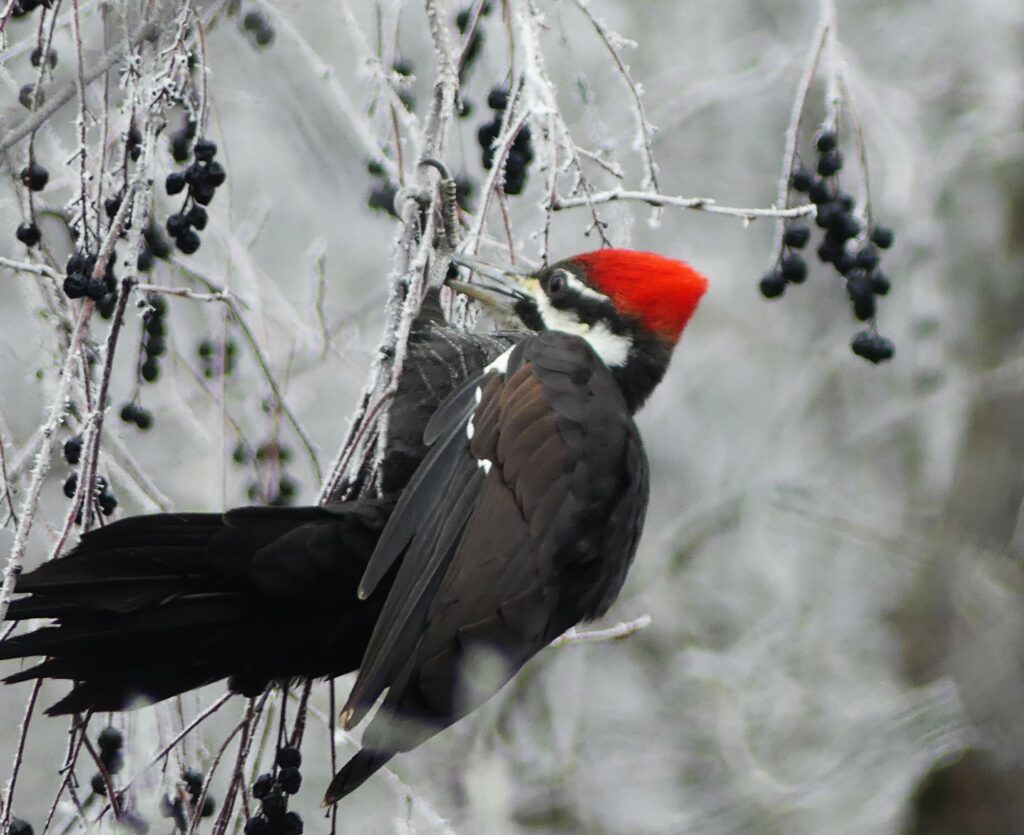
Pileated Woodpecker picking Common Buckthorn drupes 1.27.23

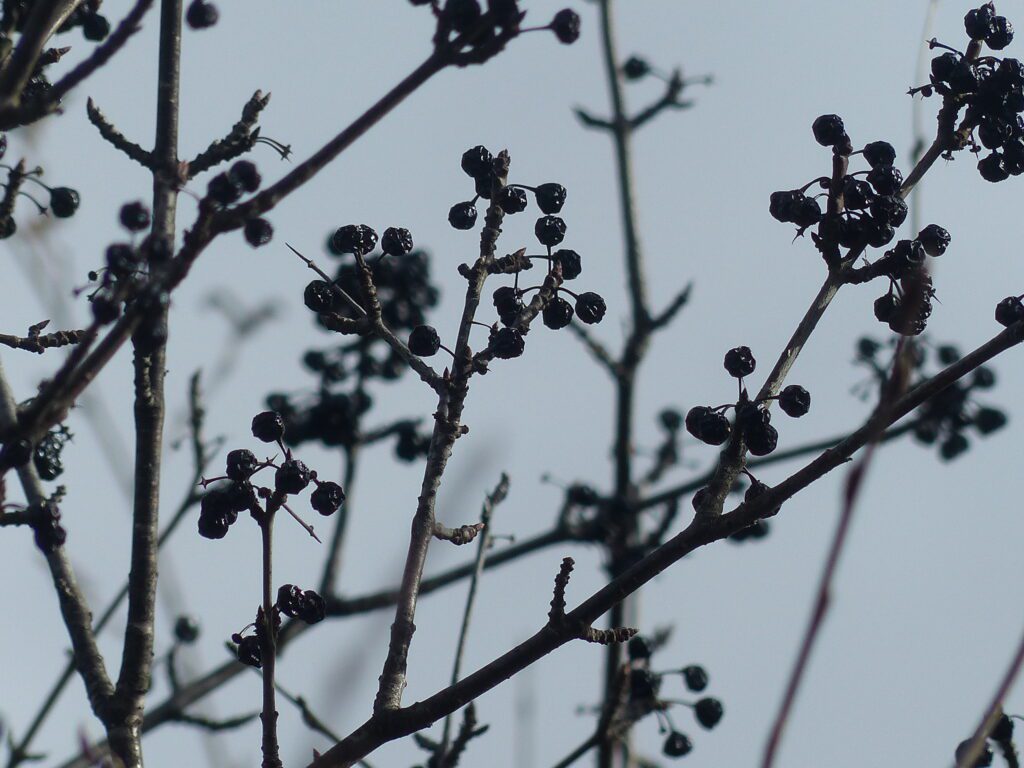
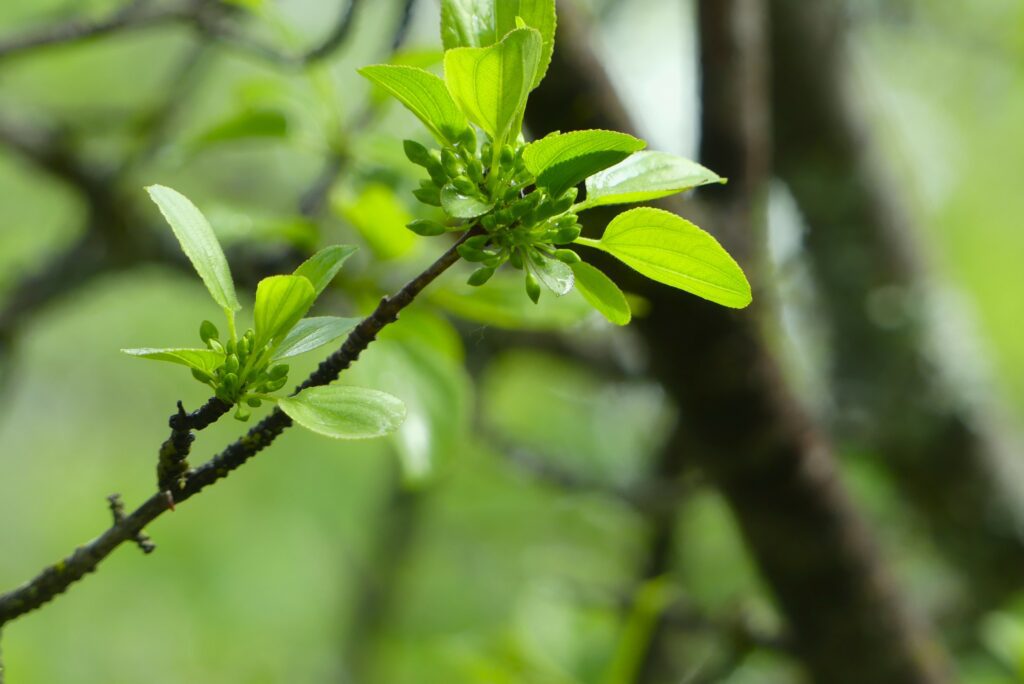
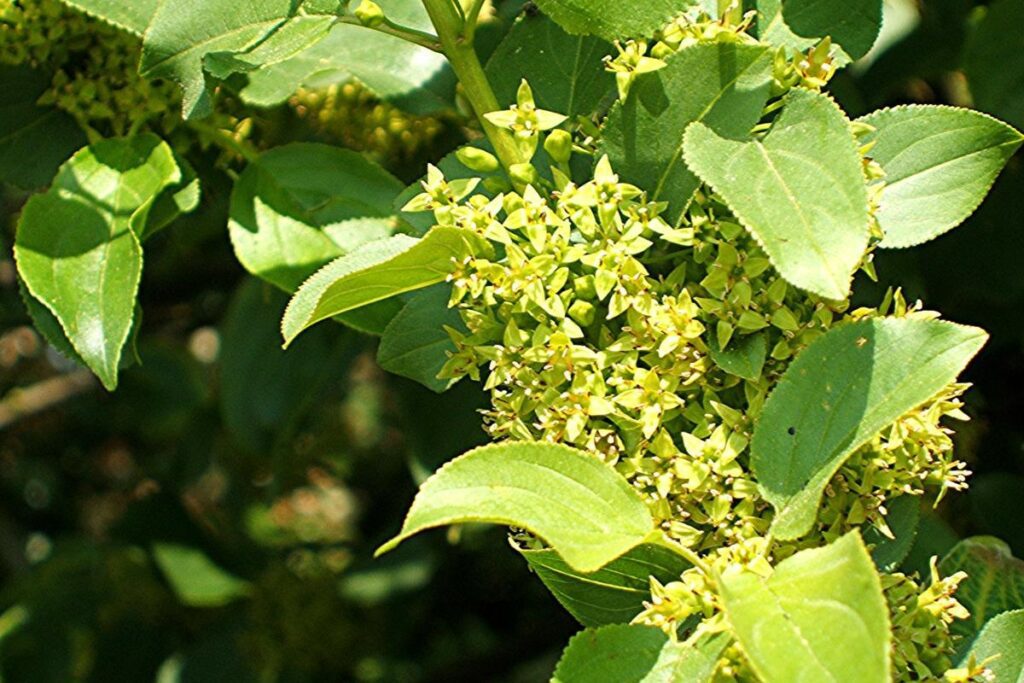
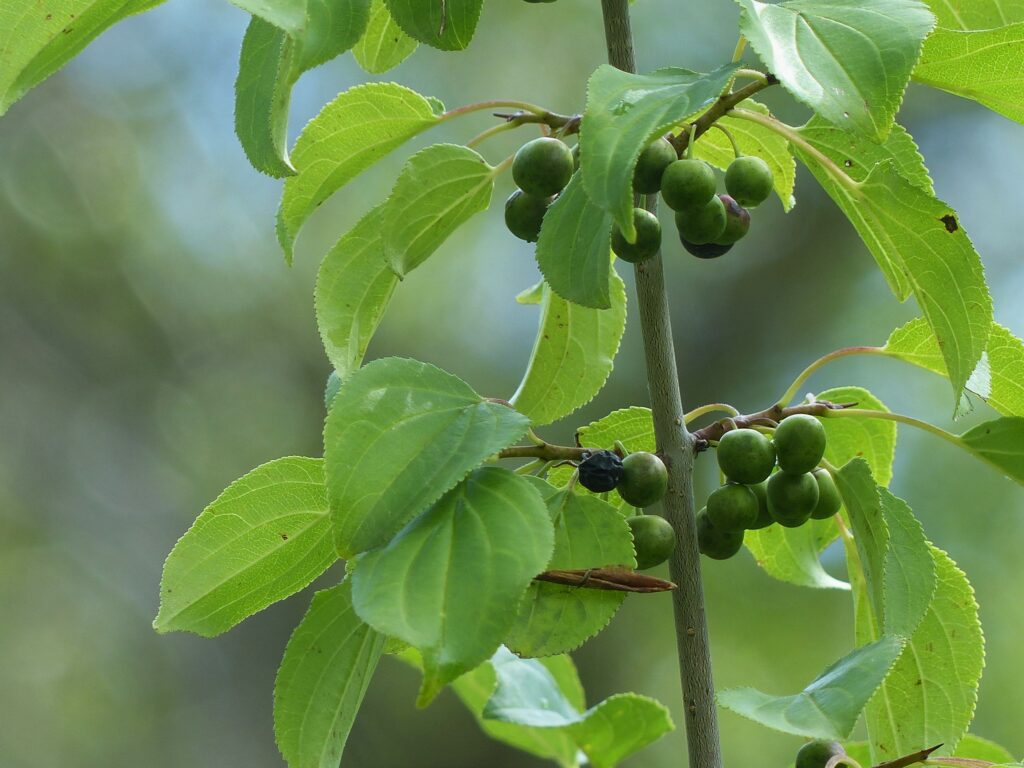
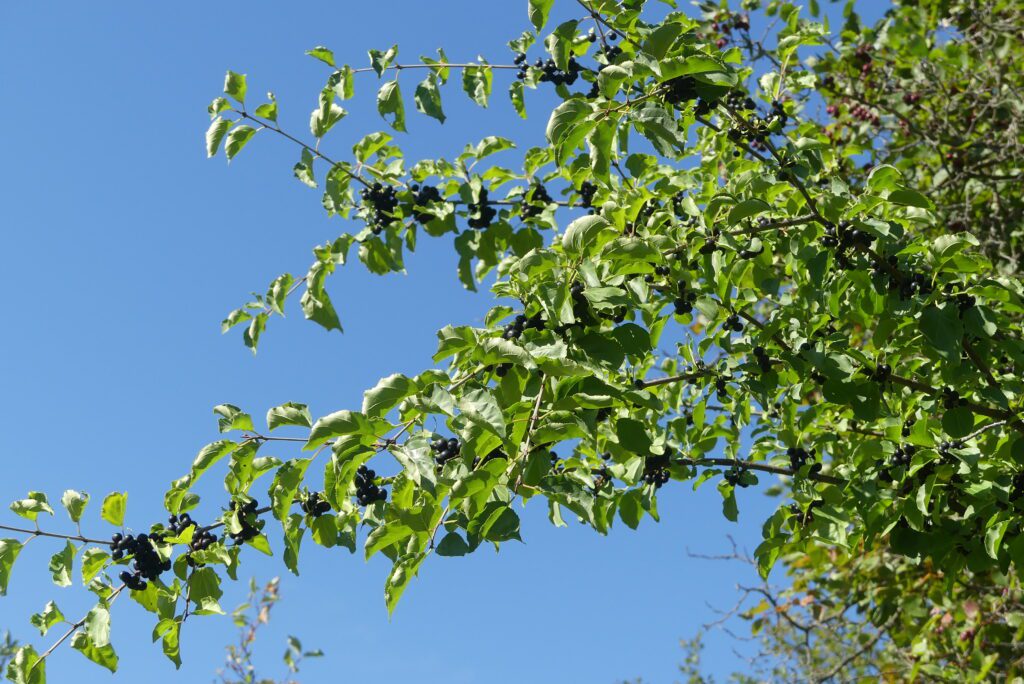
Common Buckthorn aka Rhamnus cathartica hides in plain sight.  If you have walked in     Lawrence Park or Owen Sowerwine in Kalispell or in many other areas along the local wetlands, you may have noticed the overwhelming prevalence of some shrub/trees that have thorns and lots of black fruits a little smaller than Chokecherries. The State of Montana recognizes this tree, native to Eurasia, as a Noxious Weed.  It was introduced many years ago as an ornamental at a time when few people realized that many plants can be well-behaved in their native land because there are natural controls – insects or  mammals that eat them and keep them in check or weather that checks their growth. However, in our country, none of those natural predators exist, and given time, the plant flourished to the extent that native plants are choked out.  Cathartica refers to the fact that the plant (fruit) causes diarrhea. Birds are attracted to the fruits that ripen in late fall and persist throughout the winter. However, the birds gain no nutrition because of the catharsis it causes. 

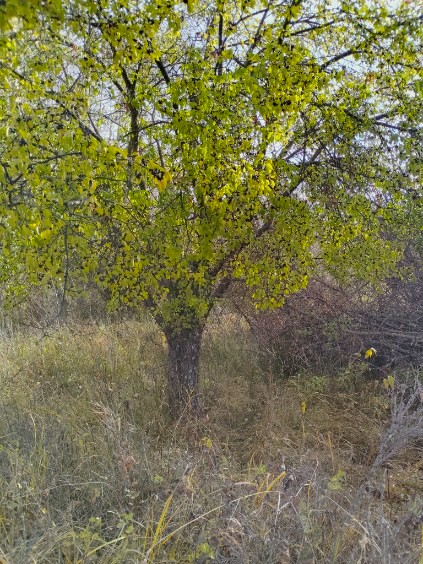
Bright yellow-green leaves haven’t dropped. When all the other deciduous trees have lost their leaves, this characteristic makes Common Buckthorn easy to identify.

Saplings no taller than 4′ and .5″ in diameter may have drupes. The tree above must be quite old.

If you have questions about identifying or controlling Noxious weeds, contact
Your local Extension Service
Your local weed control district
Montana Department of Agriculture

West Valley Hemp Revisited

by Skip Via
skip@westvalleynaturalists.org

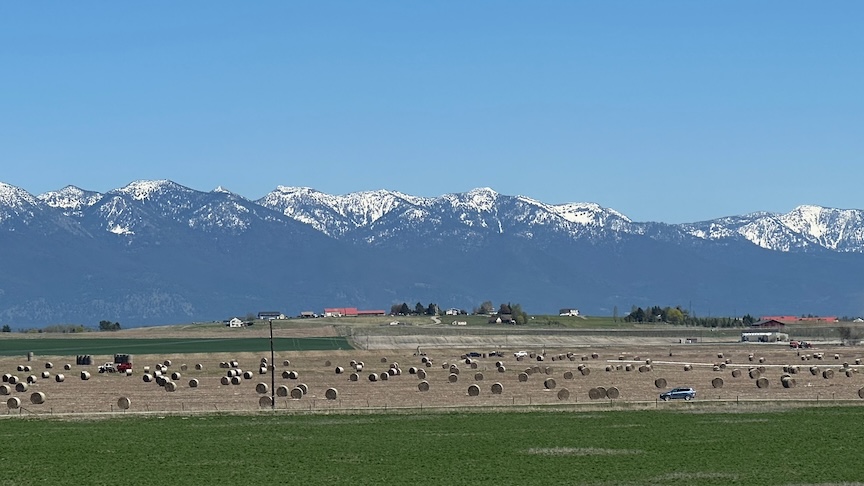
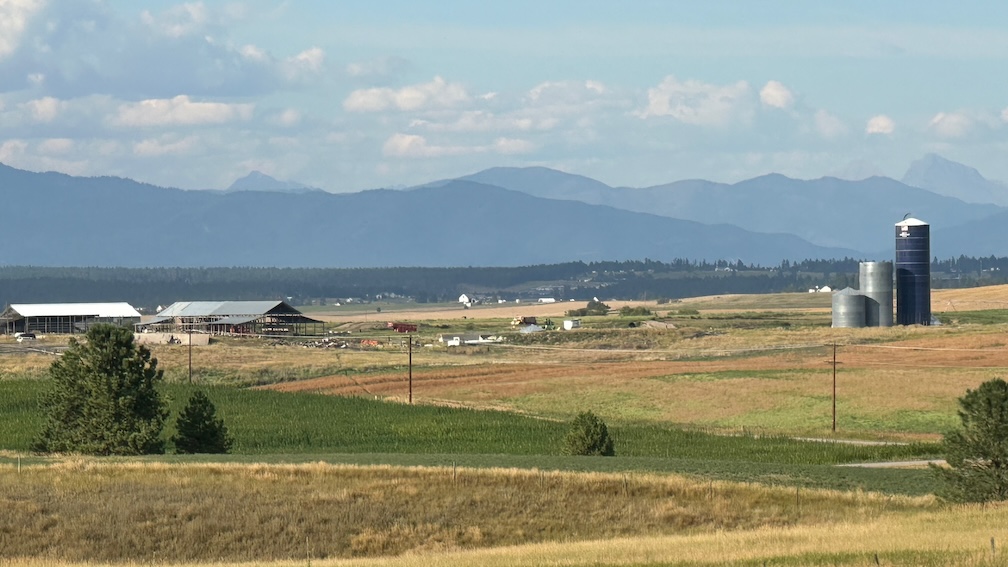
If you have driven down West Valley Drive north of West Reserve this spring, you have probably noticed the large number of hemp bales in the fields on either side of the road near the intersection with Coclet.. There are only two hemp growers in the valley and this operation of about 400 acres total between the two fields is one of them. 

Baled hemp, West Valley Drive.
Continue Reading →

West Valley April Ephemerals

by Pat Jaquith
pat@westvalleynaturalists.org

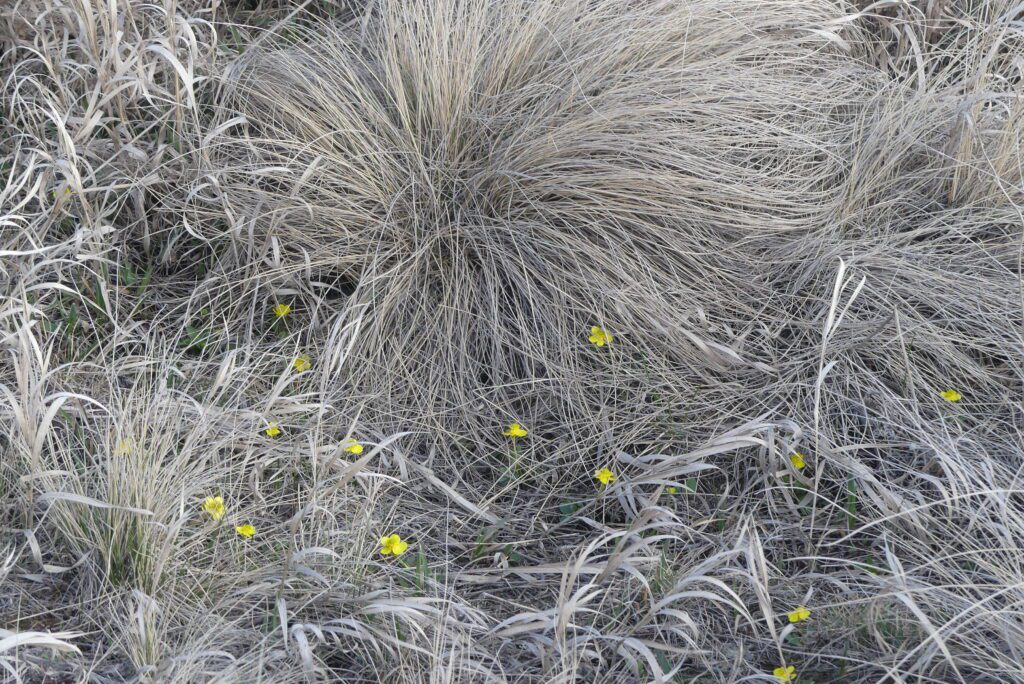
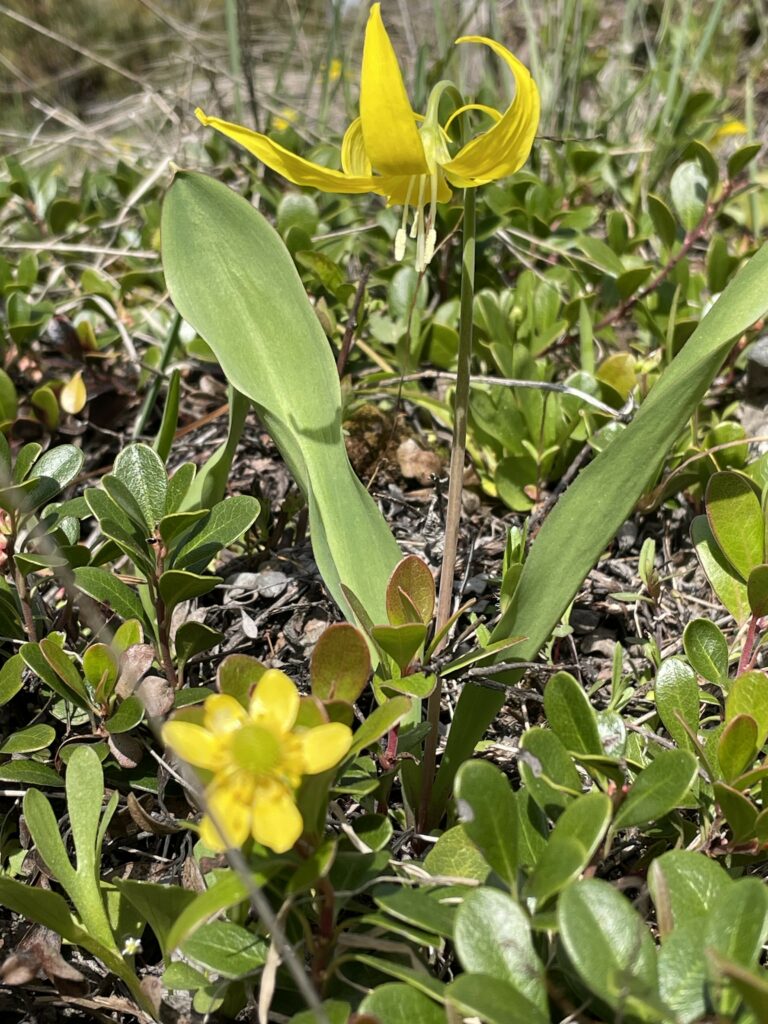
Like a bird incubating eggs, Bunchgrass growing on sunny hilltops protects and warms the ground for many ephemerals like Ranunculus glaberrimus.

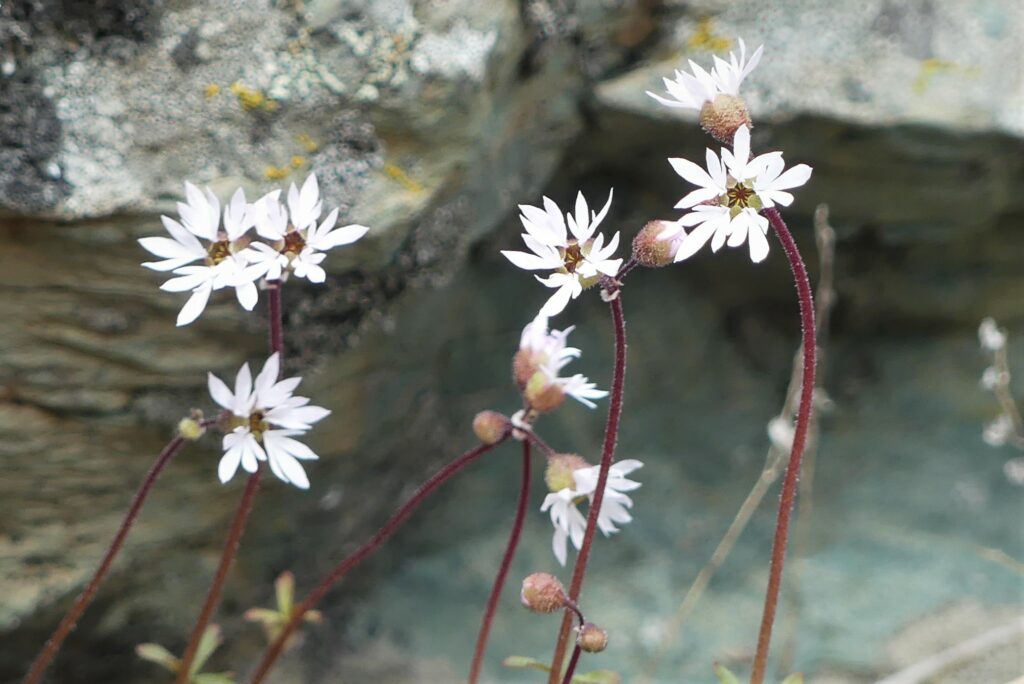
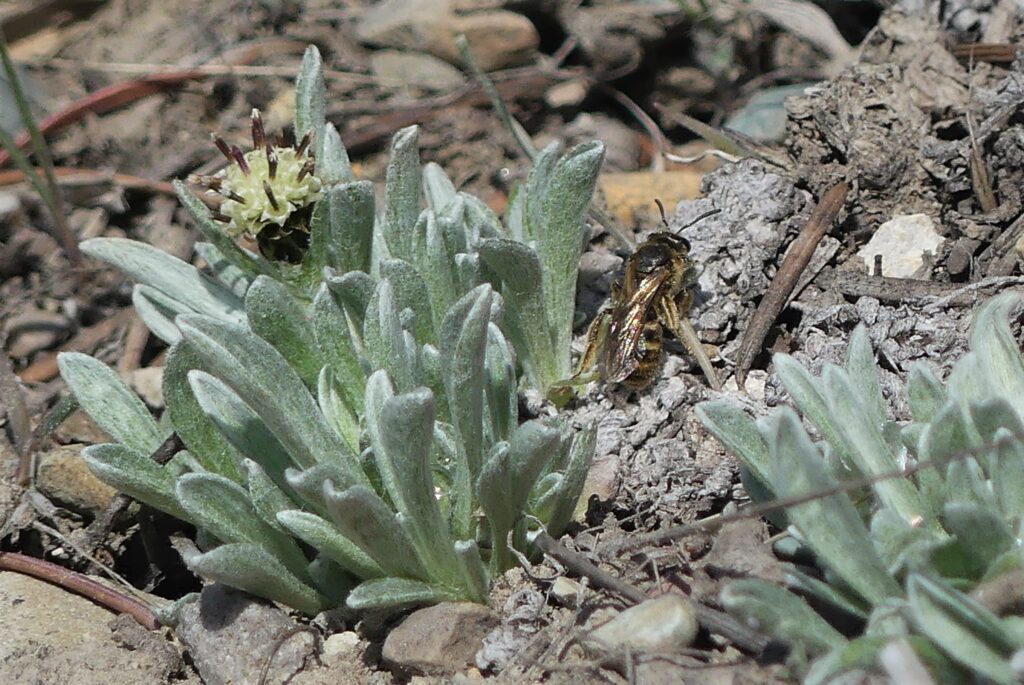
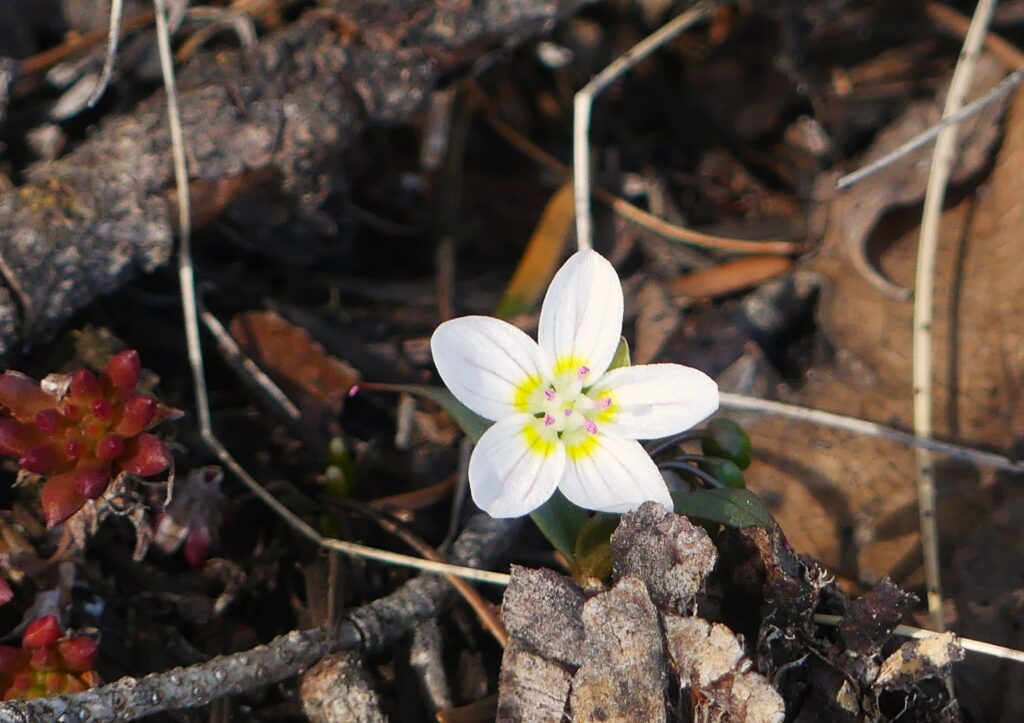
Lithophragma parviflora (Little Woodland Star) and Antennaria dimorpha (Cushion Pussytoes) often appear very early in sheltered areas warmed by west-facing stony outcrops. Tachinid flies are early-appearing pollinators of these flowers.

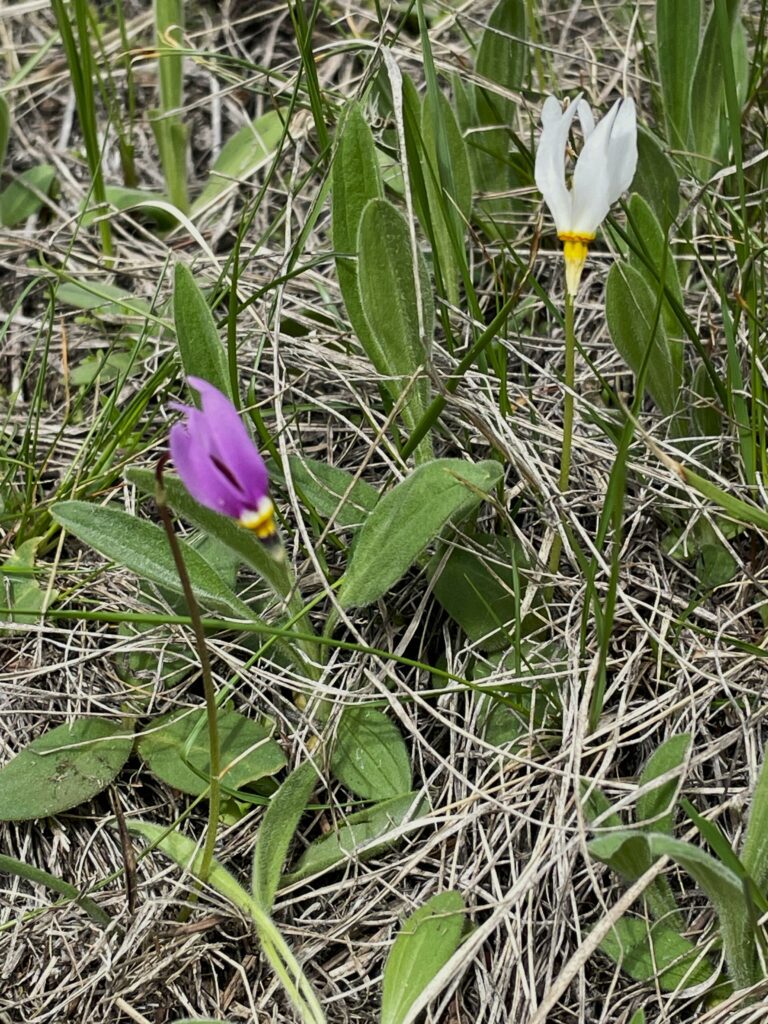
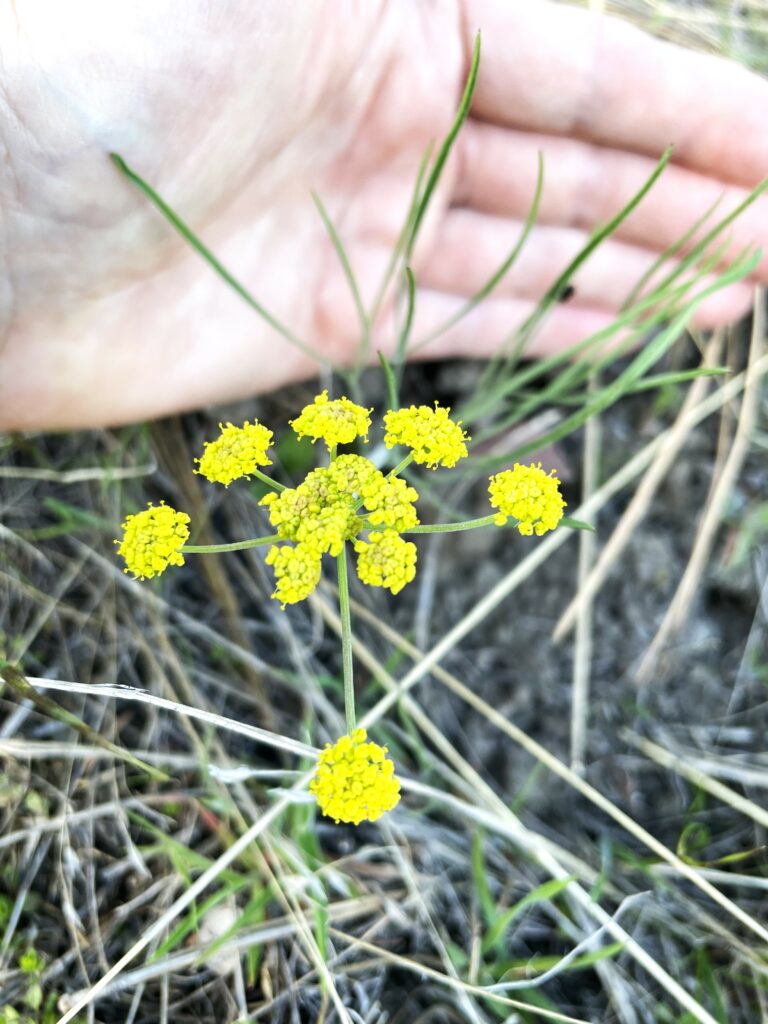
Dodecatheon conjugens (Shooting Star) and Lomatium triternatum (Nine-leaf Desert Parsley grow in an old pasture where grass will be two feet tall in another month.

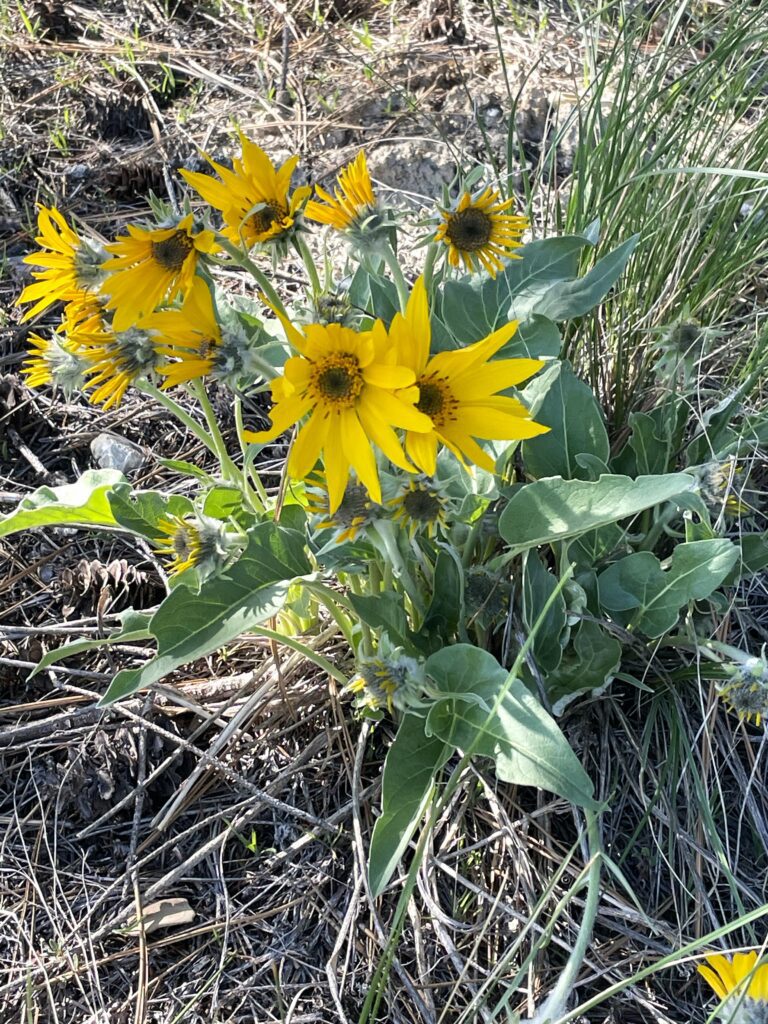
Balsamorhiza sagittata (Arrowleaf Balsamroot) Ranunculus glaberrimus (Early Buttercup) and Erythronium grandiflorum (Glacier Lily) are so precocious that sometimes they get covered with snow while in full flower and recover as if they had welcomed the extra gift of water.

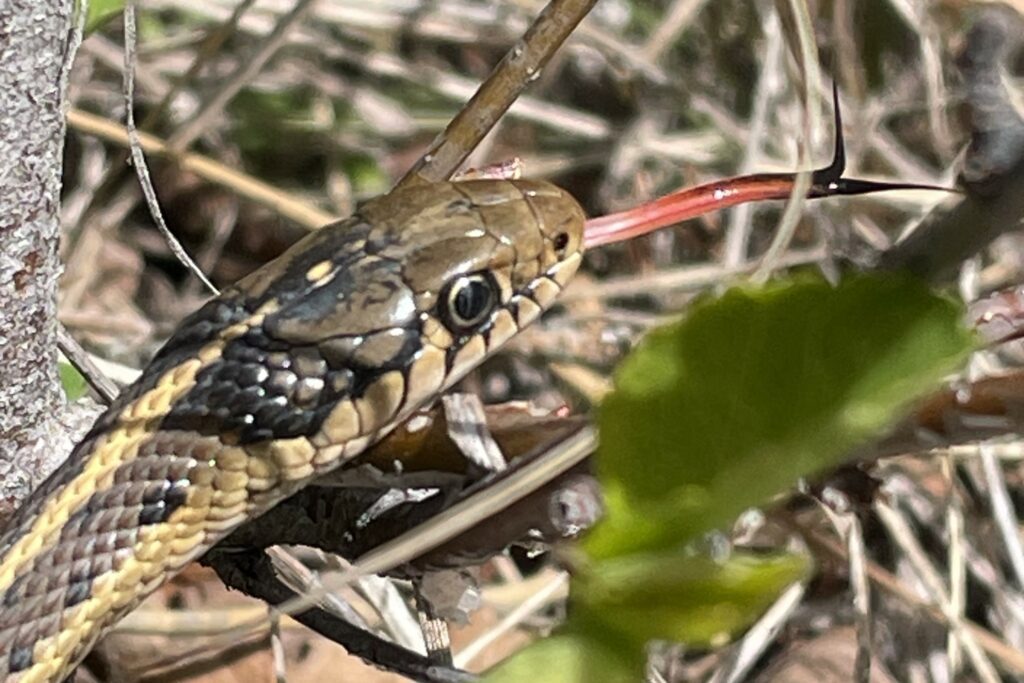
Oops! One of those surprises you can get while looking at the ground in search of early flowers! Recently emerged from hibernation, this garter snake was coiled around the stems of a young Serviceberry shrub in a sunny patch of soon-to-open Early Buttercups!

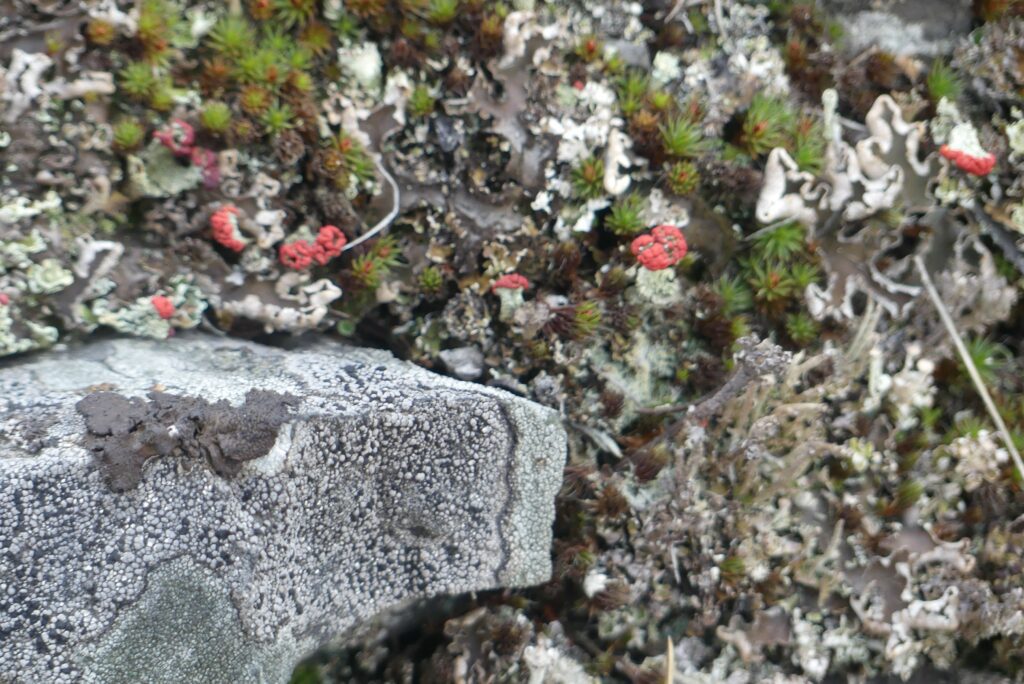
Cladonia pleurota (Red fruit Pixie cup lichen) Claytonia lanceolata (Spring Beauty)

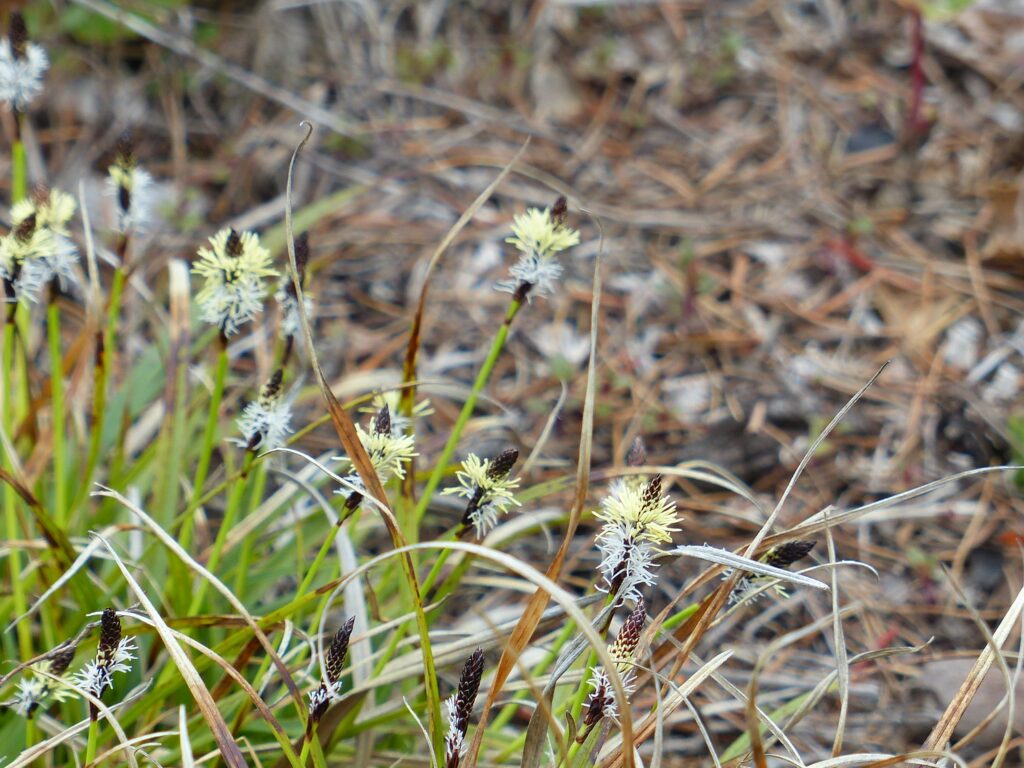
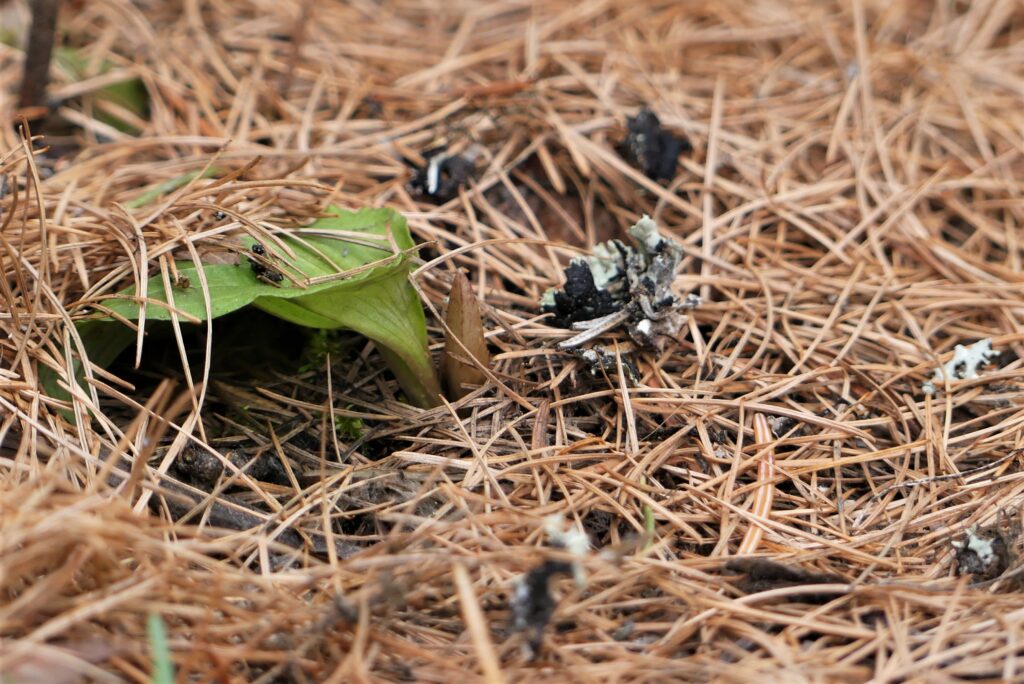
Carex concinnoides (Northwestern Sedge) and a wonderful discovery of the first appearance of a Calypso bulbosa(Fairy slipper orchid) plant, a little plant that will blossom in May!

Tour the West Valley in March

by Pat Jaquith
pat@westvalleynaturalists.org

There’s a bite of cold in that wind and snow on the mountains. Back roads slip from ice to mud in a single step. Winter visitors wing over snow-bent grasses as if to say “Farewell!” and Pintails fill the open water still enclosed by ice. FOY (First-of-the-Year) birds, flowers, songs meet with excitement. In sheltered places, the sun warms the ground and our faces. Let’s check it out!

Continue Reading →

Growing Hemp in the Valley

by Skip Via
skip@westvalleynaturalists.org

Hemp field on the corner of Coclet and West Valley Drive.

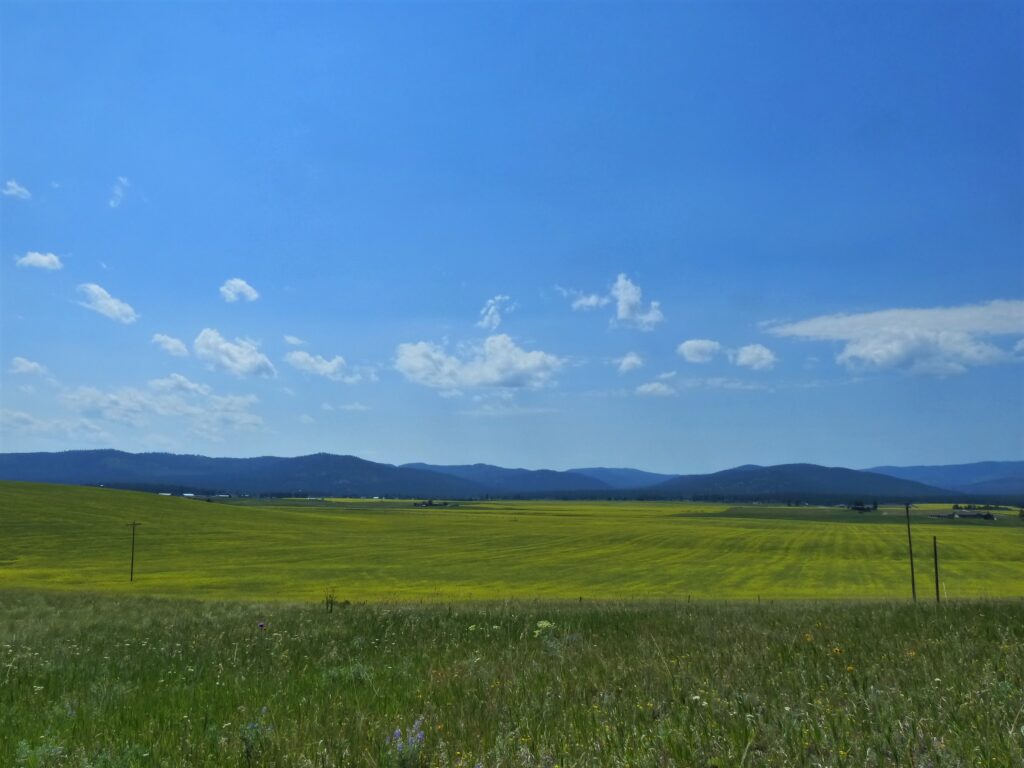
If you have driven down West Valley Drive this summer, you have probably noticed a new agricultural crop growing in a couple of the fields near Coclet. It’s hemp, and I wanted to know more about it.

Continue Reading →

One Summer in a Lady’s Slipper’s Life

by Pat Jaquith
pat@westvalleynaturalists.org

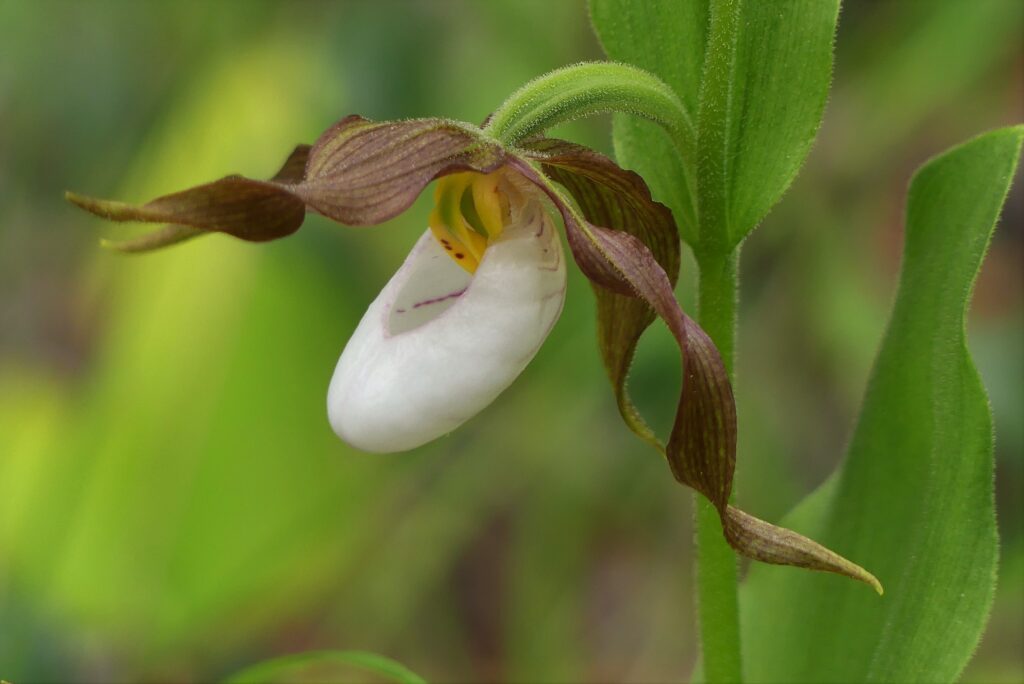
Cypripedium montanum (Mountain Lady’s Slipper)

The Mountain Lady’s Slipper, aka White Lady’s Slipper, is a striking sight, whether as a single stalk like this one or a in big clump. Although their very existence requires an amazing amount of chance and even the support of a fungal partner, they find a niche that works for them in our area. I visited this solitary plant at least once every month from June to October, 2022. Read on to watch its progress.

Continue Reading →

West Valley Bee and Bee

by Skip Via
skip@westvalleynaturalists.org

There are two common recommendations for maintaining and increasing the population of native bee species: plant native plants and provide a bee house of some kind so that the insects can overwinter or deposit their eggs and have a safe place for their larvae until the spring when they emerge. This article describes an attempt to do these as complementary processes.

Continue Reading →

Three Gentians in the West Valley!

by Pat Jaquith
pat@westvalleynaturalists.org

When I first heard the word “gentian”, it was in reference to a veterinary medicine that I needed to apply to a cow I was tending. It was called “Gentian Blue” and although I had little understanding of its role in healing my bovine, it was the most intense blue I had ever seen! Subsequently, my appreciation of the various hues of blue have been in reference to the blue of that medicine. It was many years before I moved to the west where I saw my first flower in the Gentian family, and I was amazed to learn that the green plant I saw was a Gentian! (Frasera speciosa). That one doesn’t grow in the West Valley, but here are some I have encountered here.

Continue Reading →

Happy Valley in Macro

by Skip Via
skip@westvalleynaturalists.org

This article has two purposes: to illustrate my July 2022 newsletter post about macro photography and to highlight one of the multitude of opportunities we have here in the valley to view nature’s wonders.

All of the photos in this post were taken during and just after a light rain in Happy Valley (see Locations) on June 21, 2022. For the photographically inclined, I was using the Halide app on an iPhone 12 Pro for the macro shots. Aside from cropping some shots, no additional editing or filters were used. What you see is exactly what came out of the camera. Please notice the minute detail that can be captured with macro photography–the raindrops on the mariposa lilies, the feathered edges of the tailed-blue butterfly’s wings, the fuzzy leaves and stem of the cinquefoil, the backlighting on the forget-me-nots, etc. It’s a whole new world down there at the macro level. Also notice that the backgrounds of most shots are blurred. This is called the “bokeh effect” and it’s a natural function of macro photography, which uses a shallow depth of field. It does make for some dramatic photos, calling attention to your subject matter.

Continue Reading →