Early Bloomers

by Skip Via
skip@westvalleynaturalists.org

Despite our fits-and-starts beginning to spring here in the valley, it looks like we’re in for another glorious season of wildflowers. I spent last week looking for emerging blossoms and this photo essay is reflective of what I encountered. It’s just another reminder of the beauty and complexity that lies beneath our feet in these parts.

All photos were taken in and around West Valley. Pairs of images were shot at the same location on the same day.

BB-sized kinnikinnick blossoms
Continue Reading →

Meet a Few Pelt Lichens

by Pat Jaquith
pat@westvalleynaturalists.org
Worldwide, there are about 100 species of Peltigera in the Foliose group of lichens; there are 23 species in the Rocky Mountains. But here in the West Valley, the number is much more manageable! In the following article, I will give some pointers I found helpful as my exploration has evolved.

Continue Reading →

A Bouquet of Lichens

by Pat Jaquith
pat@westvalleynaturalists.org

Many trees in our area are festooned with lichens of many types. This piece of a branch lay on the snow-covered forest floor as I walked in the Flathead National Forest in mid-November, 2021. What a bouquet! At least four different types of lichen share this short section of wood. Read on as I untangle a bit about them.
Continue Reading →

Flora, Fauna, or…?

by Skip Via
skip@westvalleynaturalists.org

In casual conversation about the living inhabitants of an ecosystem, especially among those of us who took high school biology in the 60s, we generally rely on “flora” and “fauna” to categorize and conceptualize the organisms living there. If something’s not a mineral, then it must be a plant or an animal.

But it could be something else.

Continue Reading →

Late Summer and Early Fall at Ray Kuhns WMA

by Pat Jaquith
pat@westvalleynaturalists.org

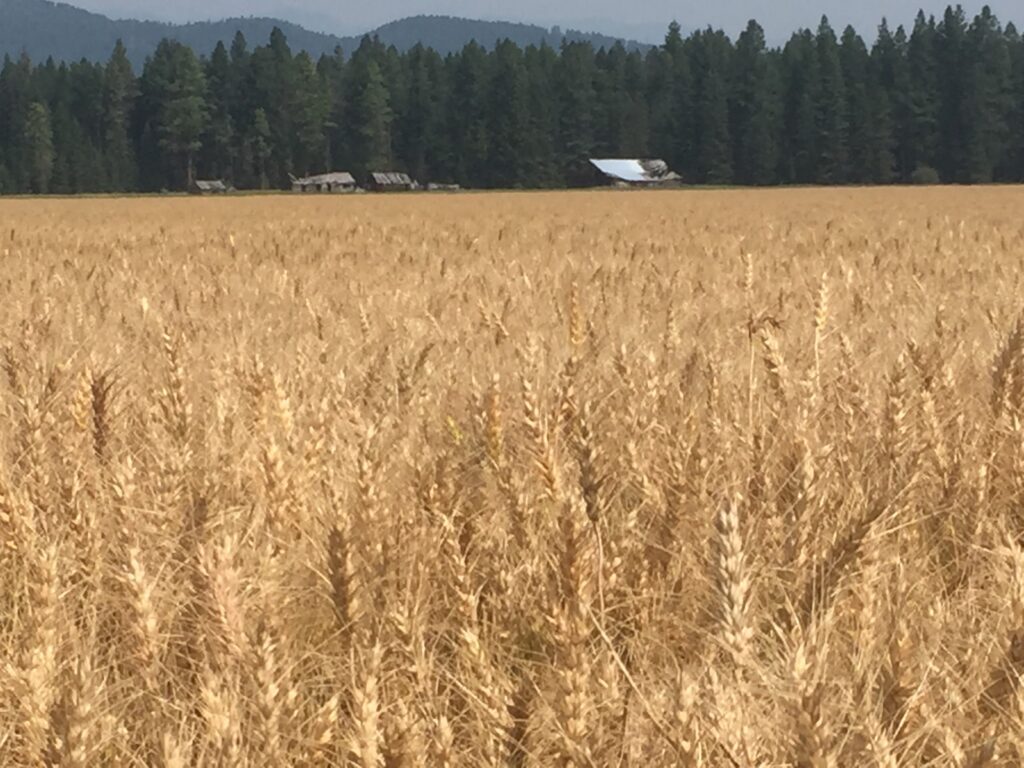
Late August, 2021 Wheat ripening under smoky skies

The historic Ray Kuhns homestead off Farm-to-Market Road between Kalispell and Whitefish is under MFWP management as the Kuhns WMA (wildlife management area). 100 acres of the 1556.5A parcel are leased for farming to improve the soil, control noxious weeds, and provide food and cover to benefit deer and upland game birds. In this article, you can read more about this public resource in our community.

Continue Reading →
State Symbols in West Valley

by Pat Jaquith
pat@westvalleynaturalists.org

Over the years, the State has adopted plants, animals, stones, songs, and other artifacts as symbolic of Montana. Here are several that I have collected just because I found them interesting, beautiful, awesome, and wonderful. Only recently have I discovered that these have gained such stature. Scroll down to see if the images inspire a reaction in you!

Continue Reading →

Those Awesome Calypso Varieties

by Pat Jaquith
pat@westvalleynaturalists.org

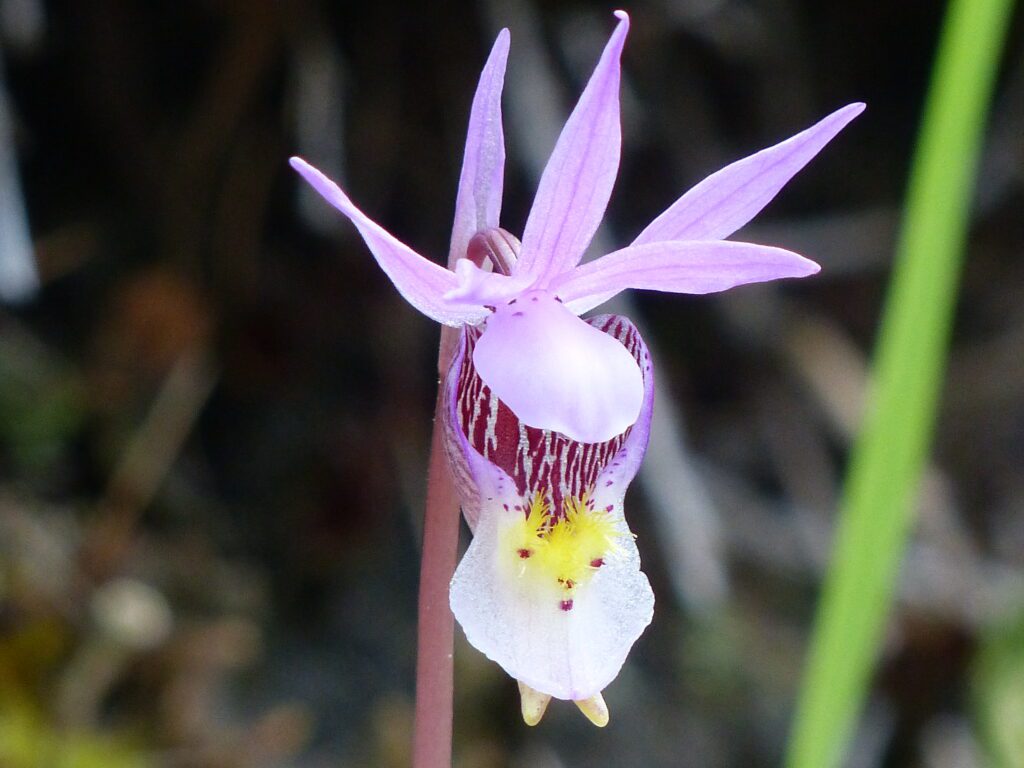
Little gnomes of the forest have misplaced their slippers in many locations. From the time I’ve spent looking at them, it occurs to me that in some past life I might have lost my shoes and feel compelled to continue looking for them! Orchids have been my favorite plant family for years, but I had never seen a Calypso bulbosa before arriving in the West Valley. Since then, I’ve learned a lot about them, and this year I’ve come to understand how some of those facts fit together. In this article, I will share my pictures and the information I’ve learned about two Calypso bulbosa varieties, one nothovariety, and a variant that I have found.

Calypso bulbosa var. americana (Fairy Slipper)
Continue Reading →

Late Spring

by Pat Jaquith

pat@westvalleynaturalists.org

Linnea borealis (Twin flower)

Spring is in full swing! Everywhere you look, something is bursting with color, singing exuberantly, or growing so fast you can almost hear the cells expanding! I could almost hear the bells ringing as I lay in the damp grass looking at a patch of Twin flowers! Here are some of my favorite images taken in the third month of Spring.

Continue Reading →

Mid-Spring

by Pat Jaquith
pat@westvalleynaturalists.org

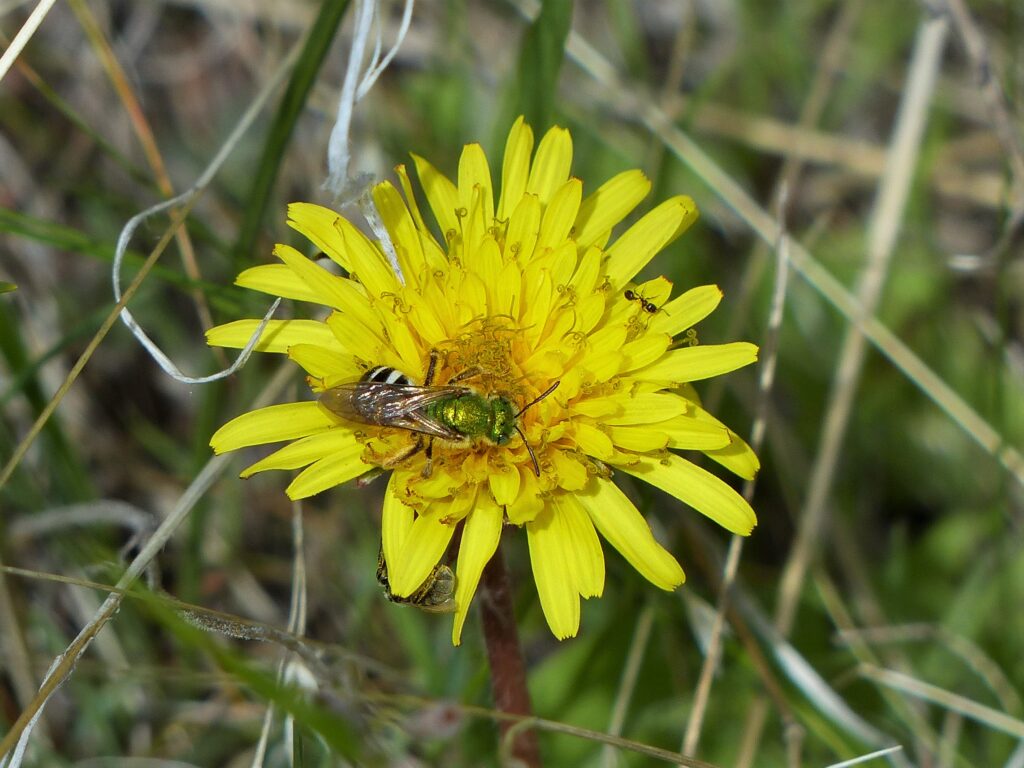
Dandelion with Sweat Bee, Ant, and another bee 5.07.17

Busy as a bee! The pace of changes becomes fairly frantic in May. Lawns are “greening up”, perennial plants are showing color giving insects something to come out for; birds are arriving now that there are insects they can feed to growing hatchlings; the soil has warmed up and dried out enough to be worked so farmers are out there early and late… read on for more pictures and notes about this cascade of events!

Continue Reading →

Early Spring

by Pat Jaquith
pat@westvalleynaturalists.org

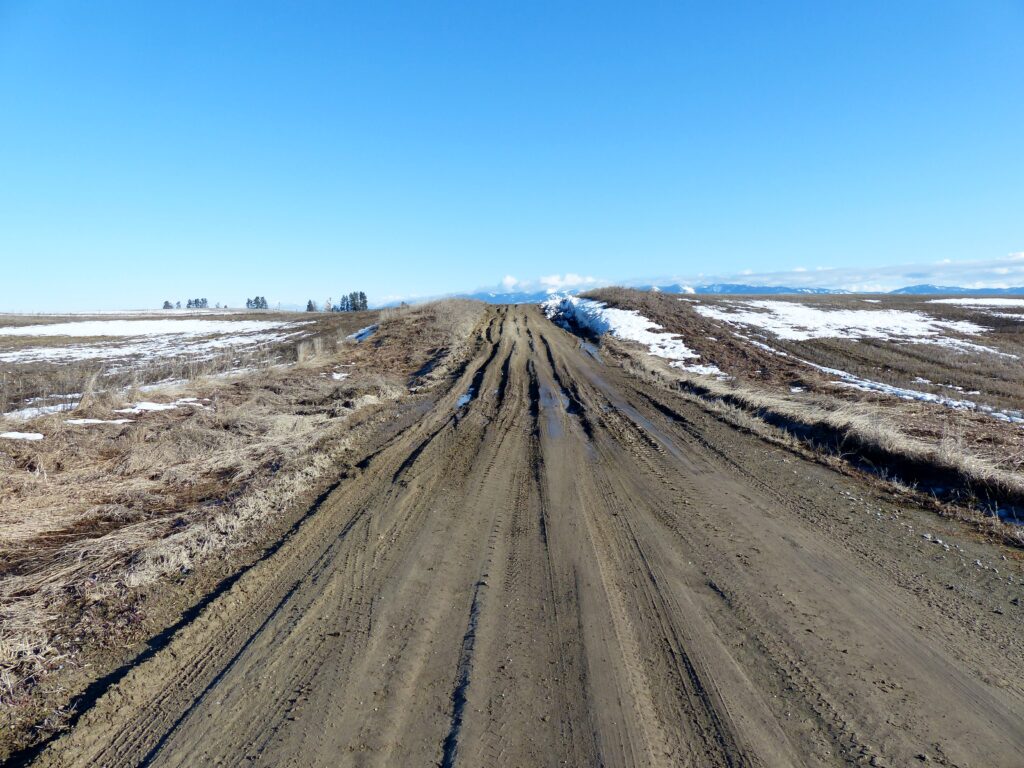
Mud season 3.16.17

Winter is melting into summer. Every day is a surprise: will the snow retreat today? or will we experience a fall-back into freezing temperatures and even get some snow? When will we see some green in the in the cold, black soil of fields that were sown last fall? When will we see the first-of-the-year (FOY) Sandhill Crane? Who can guess correctly the day of ice-out on the potholes? How many geese, ducks, swans fit in the one open pool? Are those trees really starting to blossom? Will I be able to leave that heavy coat home? Read further for some of my FOY’s!

Continue Reading →

Galls: Growth on Plants

by Pat Jaquith
pat@westvalleynaturalists.org

Winter is a good time to spot unusual things when the leaves are off and grasses are dry and beaten down by snow. Sometimes it just takes a splash of color that you wouldn’t expect to draw your attention to an unusual growth. The galls in this article all are caused by different insects but are benign, that is, they usually don’t harm the plant they are on.

Continue Reading →