by Pat Jaquith
pat@westvalleynaturalists.org
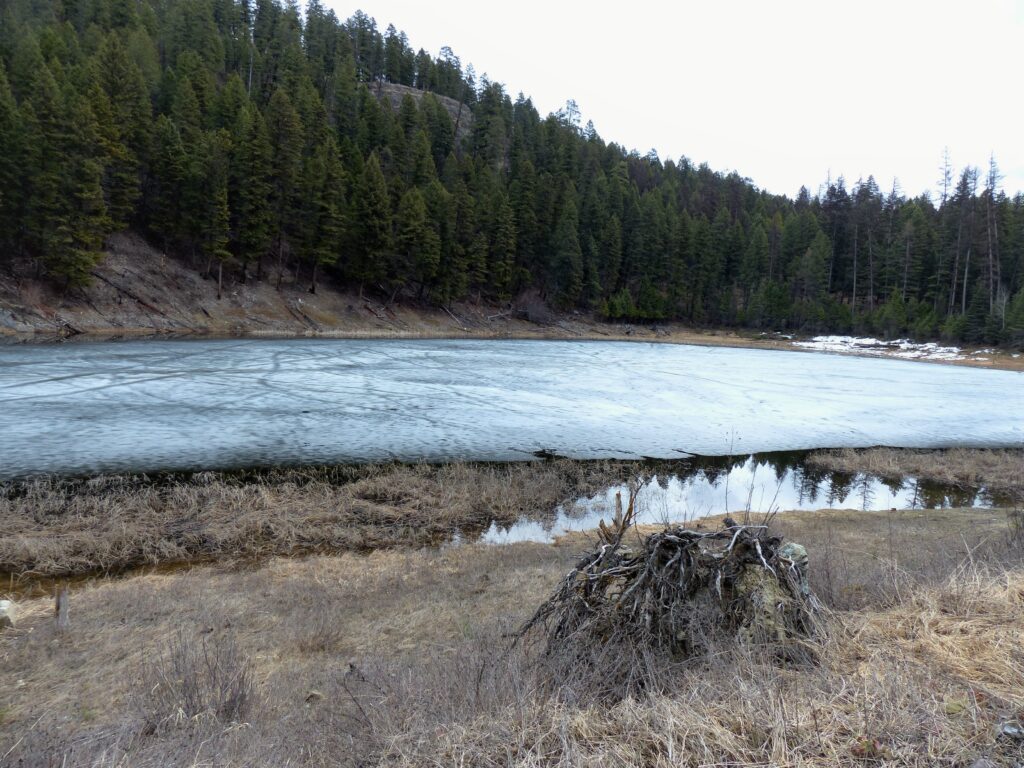
I’ve never given much thought to what goes on in a pond once it freezes, but this year I have made some discoveries that will have me looking at that environment with new interest.
Continue Reading →The natural environment and history of Kalispell’s West Valley area
by Pat Jaquith
pat@westvalleynaturalists.org
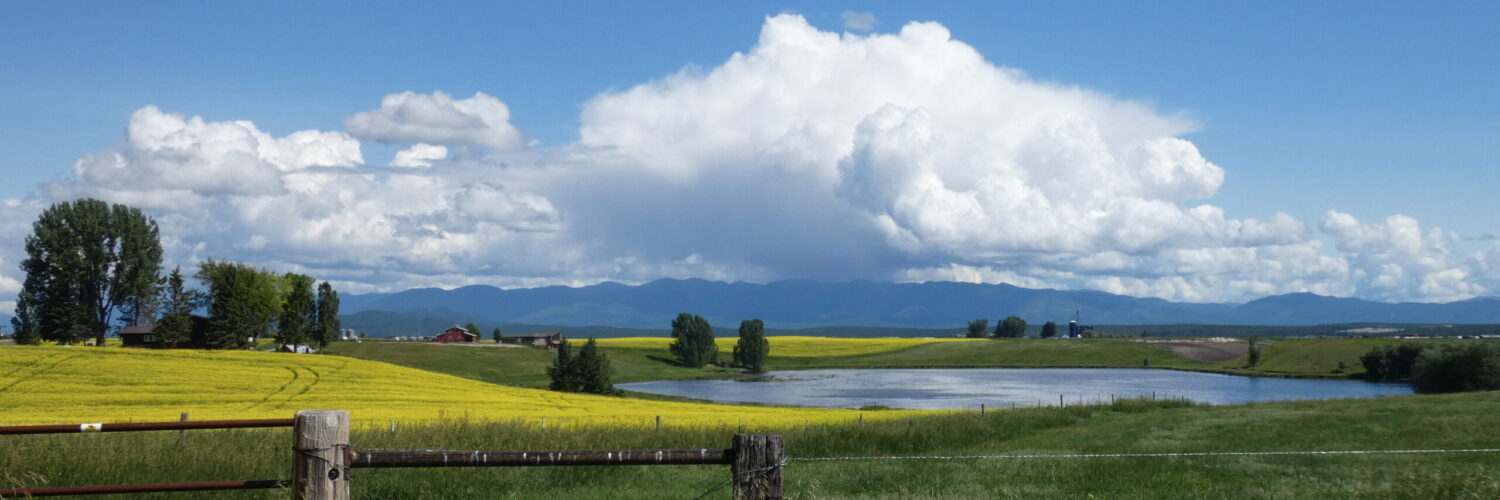
I’ve never given much thought to what goes on in a pond once it freezes, but this year I have made some discoveries that will have me looking at that environment with new interest.
Continue Reading →by Pat Jaquith
pat@westvalleynaturalists.org
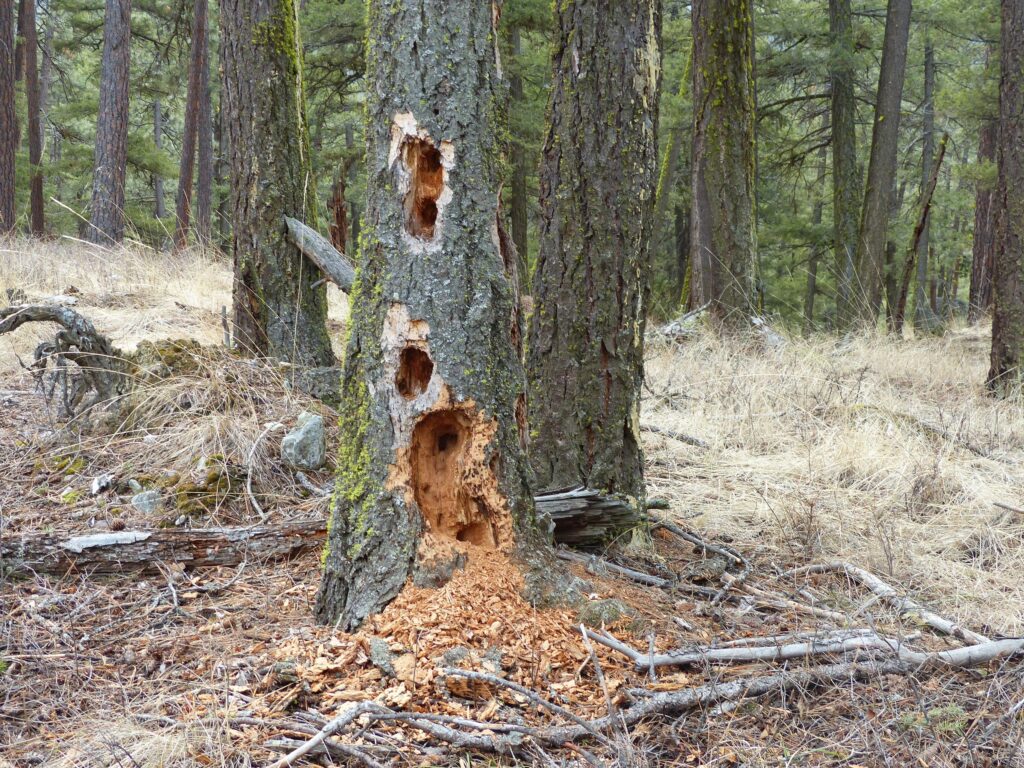
Nobody has to ask, “What does a woodpecker do?” Only the Pileated Woodpecker does such a fantastic job of chiseling out their food and creating nests for themselves. Several species live in our area year ’round; some are migratory, and we see them in warmer months. Read on for stories about woodpeckers that I’ve observed in our area.
Continue Reading →by Pat Jaquith
pat@westvalleynaturalists.org
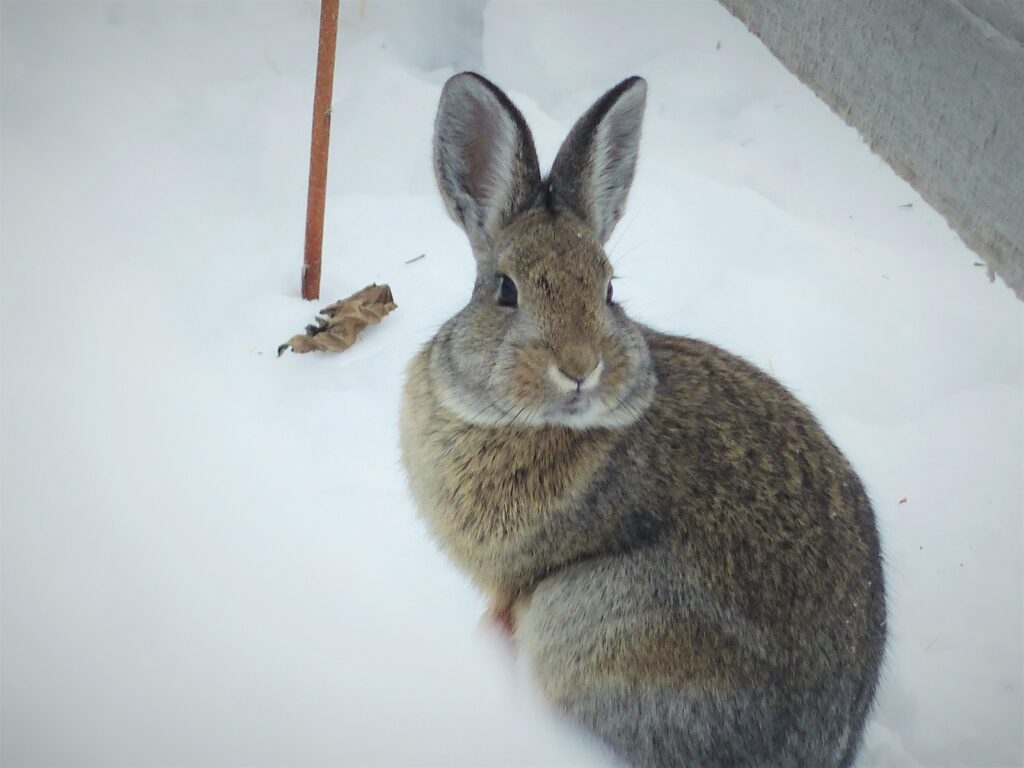
Over several years, I’ve been enjoying the company of small Mountain cottontails that have chosen to live near our home. Although I rarely see them when the ground is bare, I often see their tracks where I snowshoe or ski in winter. It’s their close proximity in winter that has given me the best sightings. I will share some pictures and tales of rabbit encounters in the following pages.
Continue Reading →by Pat Jaquith
pat@westvalleynaturalists.org
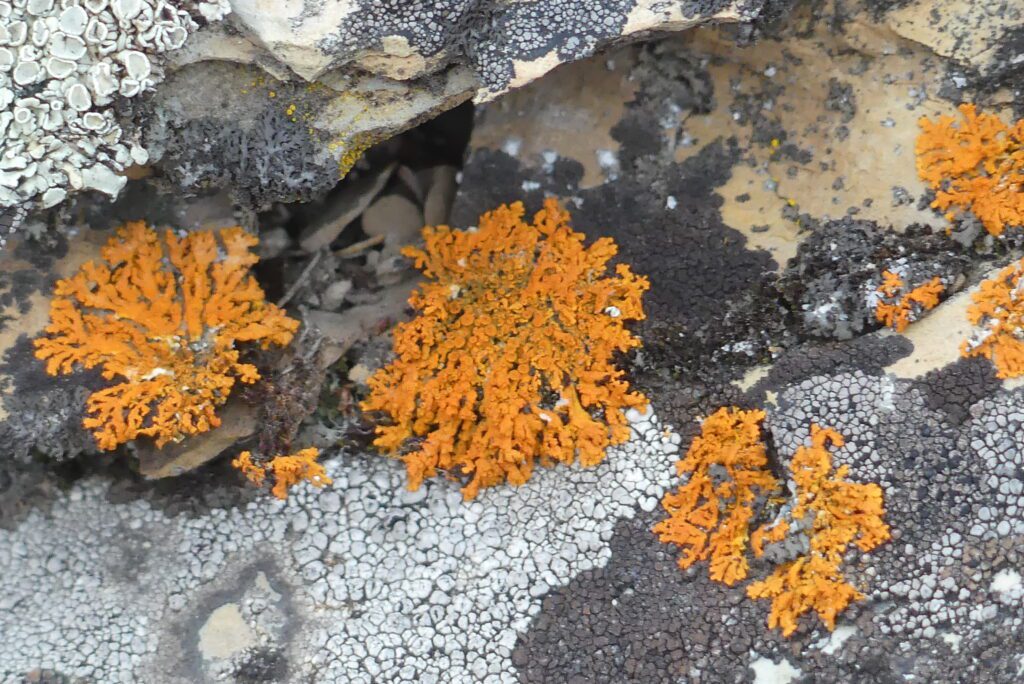
Brighter than the Blanket flower that grows nearby in summer, this rock-dwelling lichen is a long-time resident on this carbonate-rich rock. Exposed to the elements, temperatures that range more than 100 degrees, with no shade to protect it and no roots to find water, this lichen grows about .4mm per year. It has probably taken about 150 years to attain its current size. The following article describes some fascinating facts about this and some other foliose (leafy) lichens in our area.
Continue Reading →by Pat Jaquith
pat@westvalleynaturalists.org
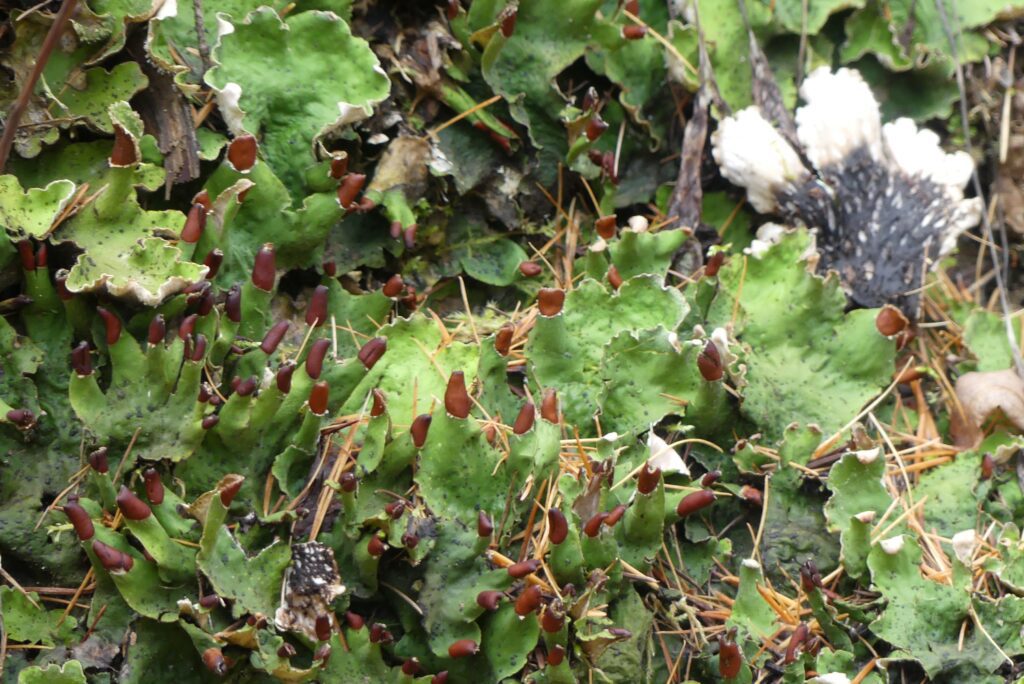
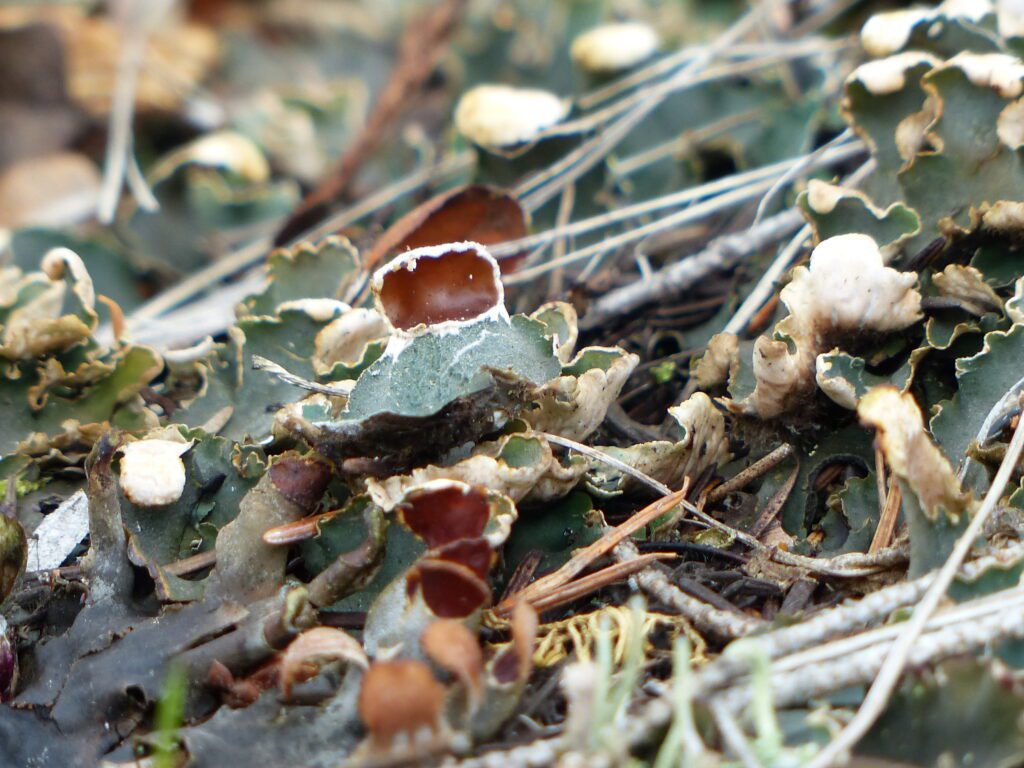

Worldwide, there are about 100 species of Peltigera in the Foliose group of lichens; there are 23 species in the Rocky Mountains. But here in the West Valley, the number is much more manageable! In the following article, I will give some pointers I found helpful as my exploration has evolved.
Continue Reading →by Pat Jaquith
pat@westvalleynaturalists.org
by Pat Jaquith
pat@westvalleynaturalists.org
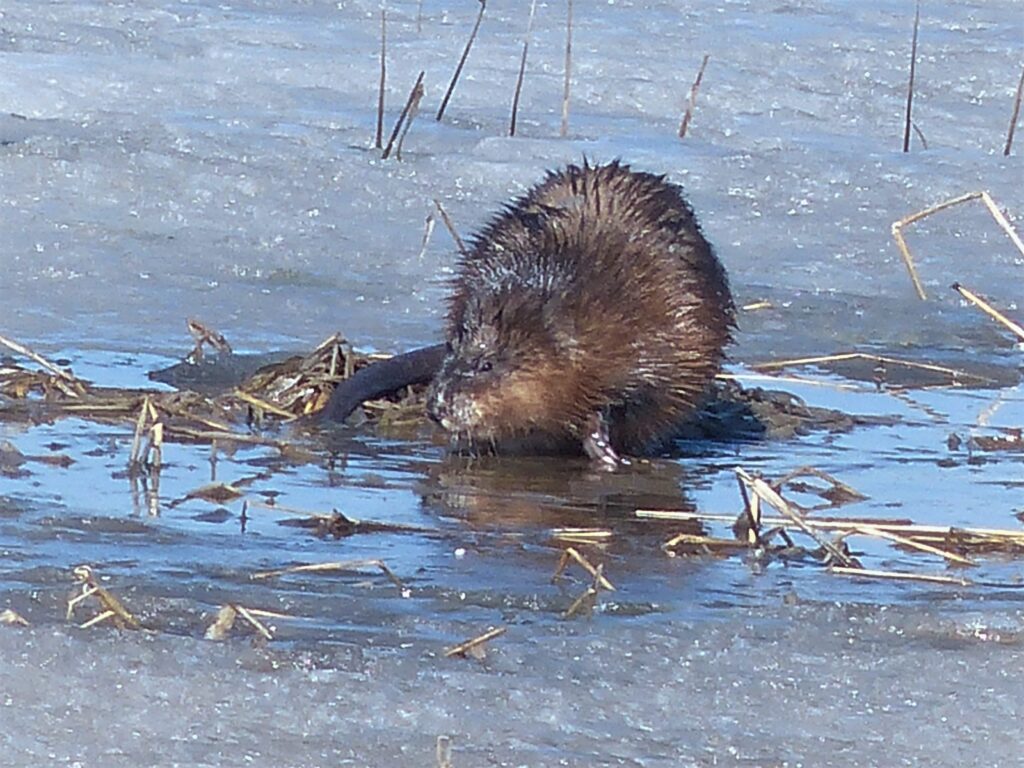
A year-round resident of the West Valley ponds, this Muskrat finds building materials, food, and protection in a watery habitat with reeds and cattails. 3.21.20
Continue Reading →by Pat Jaquith
pat@westvalleynaturalists.org
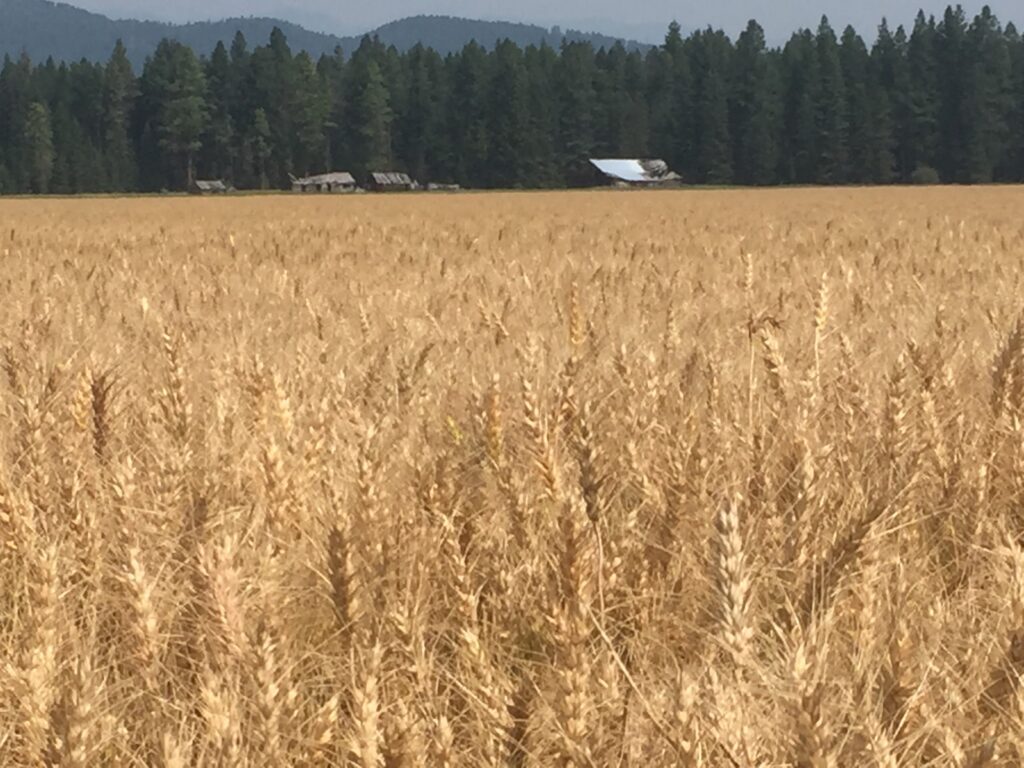
The historic Ray Kuhns homestead off Farm-to-Market Road between Kalispell and Whitefish is under MFWP management as the Kuhns WMA (wildlife management area). 100 acres of the 1556.5A parcel are leased for farming to improve the soil, control noxious weeds, and provide food and cover to benefit deer and upland game birds. In this article, you can read more about this public resource in our community.
Continue Reading →by Pat Jaquith
pat@westvalleynaturalists.org

Robins are so familiar they stop being a curiosity. That is, until they do something like building their nest where we can look into it whenever we sit on the deck as they did in 2018. The following article includes photos and observations about Robins gathering food for their family in 2021.
Continue Reading →by Pat Jaquith
pat@westvalleynaturalists.org
If you drive past the West Valley Ponds at most any time of day from early spring to fall, you can see Swallows performing aerial acrobatics as they scoop up flying insects. We have several species of Swallows that find the West Valley a welcoming summer home with plenty of habitat for nests of various types and flying insects for food to sustain them and their growing offspring. Some of the swallows forage over open fields and meadows with low vegetation. In early spring, I often see all the species at the West Valley Ponds; early in the morning they line up on power lines until the lines sag. It’s a great place to learn what they all look like. Before long, they sort things out and move out to their preferred habitat for nesting.
Continue Reading →by Pat Jaquith
pat@westvalleynaturalists.org
Over the years, the State has adopted plants, animals, stones, songs, and other artifacts as symbolic of Montana. Here are several that I have collected just because I found them interesting, beautiful, awesome, and wonderful. Only recently have I discovered that these have gained such stature. Scroll down to see if the images inspire a reaction in you!
Continue Reading →by Pat Jaquith
pat@westvalleynaturalists.org
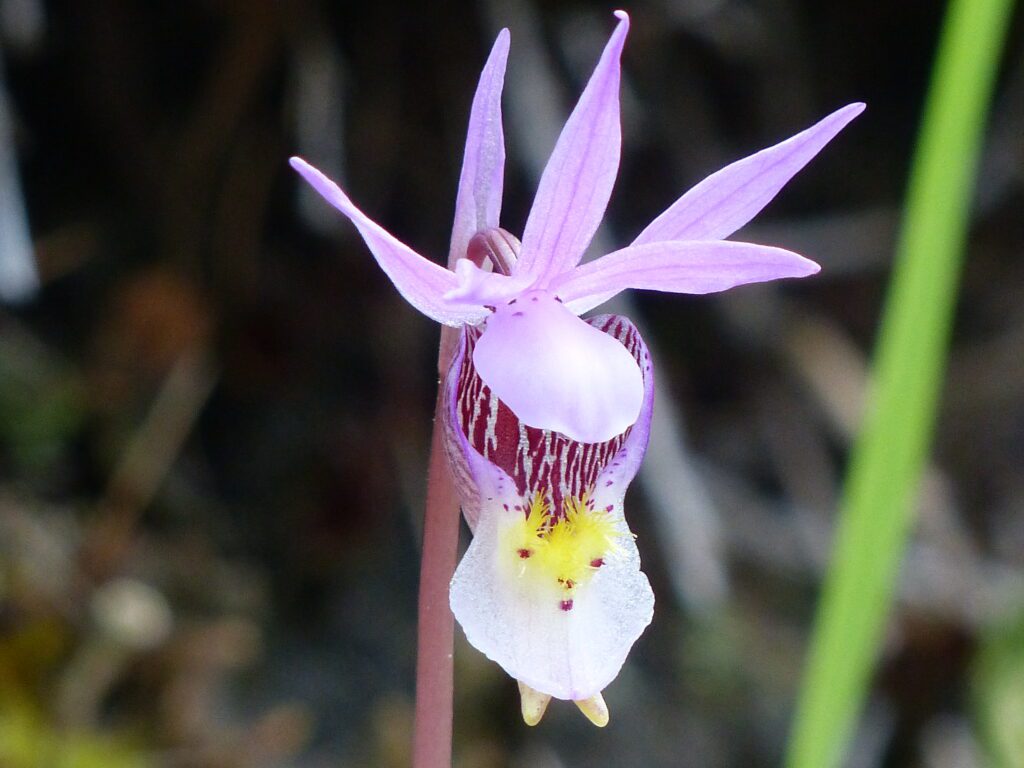
Little gnomes of the forest have misplaced their slippers in many locations. From the time I’ve spent looking at them, it occurs to me that in some past life I might have lost my shoes and feel compelled to continue looking for them! Orchids have been my favorite plant family for years, but I had never seen a Calypso bulbosa before arriving in the West Valley. Since then, I’ve learned a lot about them, and this year I’ve come to understand how some of those facts fit together. In this article, I will share my pictures and the information I’ve learned about two Calypso bulbosa varieties, one nothovariety, and a variant that I have found.
by Pat Jaquith
pat@westvalleynaturalists.org
The Spring Creek Cemetery was set aside from the unplowed prairie in the West Valley and remains largely unchanged. The following gallery of pictures are some of the plants that still grow among the mounds of Bluebunch wheatgrass in that reserved lot.
Continue Reading →by Pat Jaquith
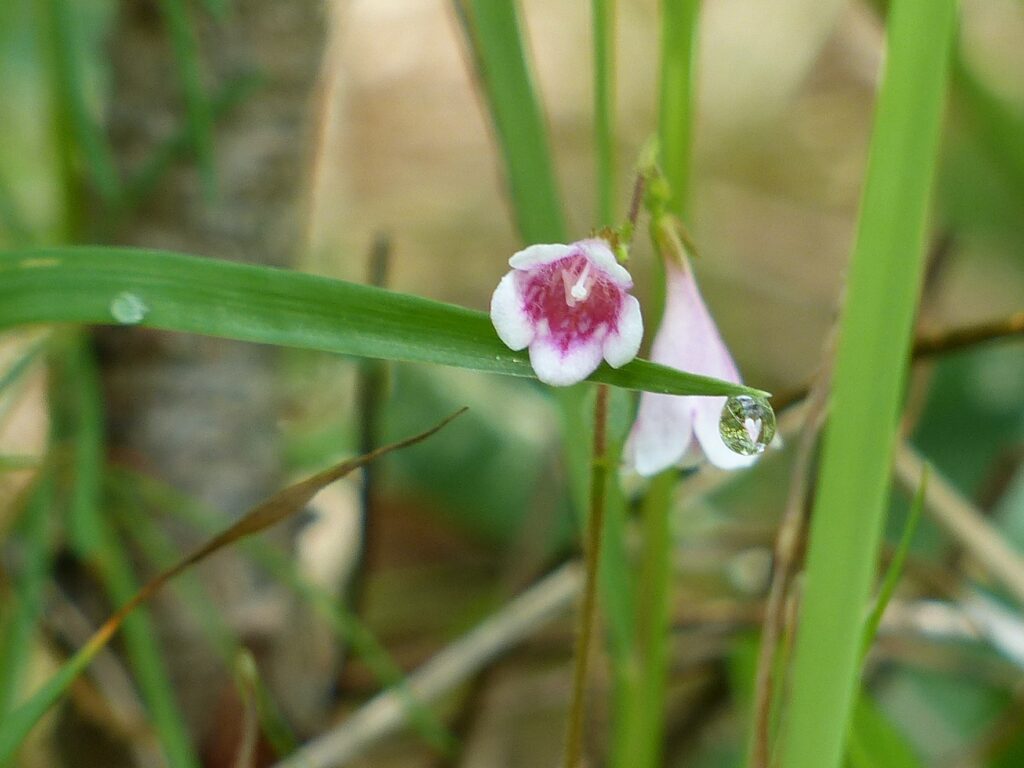
Spring is in full swing! Everywhere you look, something is bursting with color, singing exuberantly, or growing so fast you can almost hear the cells expanding! I could almost hear the bells ringing as I lay in the damp grass looking at a patch of Twin flowers! Here are some of my favorite images taken in the third month of Spring.
Continue Reading →by Pat Jaquith
pat@westvalleynaturalists.org
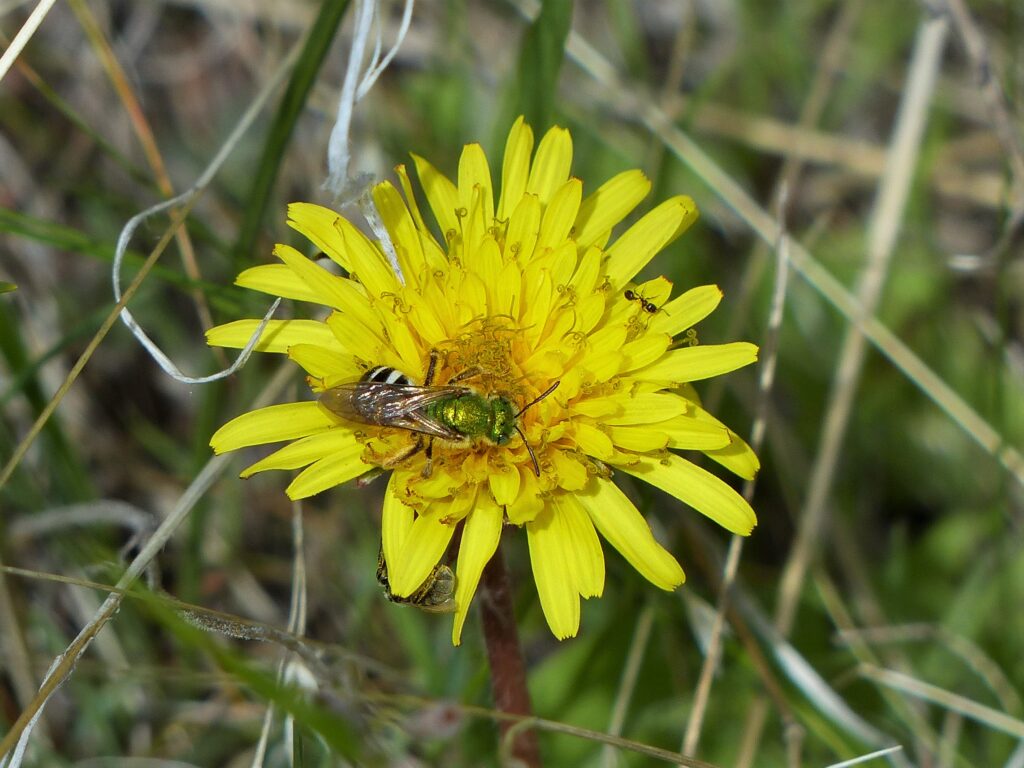
Busy as a bee! The pace of changes becomes fairly frantic in May. Lawns are “greening up”, perennial plants are showing color giving insects something to come out for; birds are arriving now that there are insects they can feed to growing hatchlings; the soil has warmed up and dried out enough to be worked so farmers are out there early and late… read on for more pictures and notes about this cascade of events!
Continue Reading →