Which comes first: the caterpillar or the butterfly (or moth)? It’s such an interesting puzzle to think about when you find a caterpillar – what flying beauty will it turn into? Here are a few that live in our area that tentatively I have matched up.
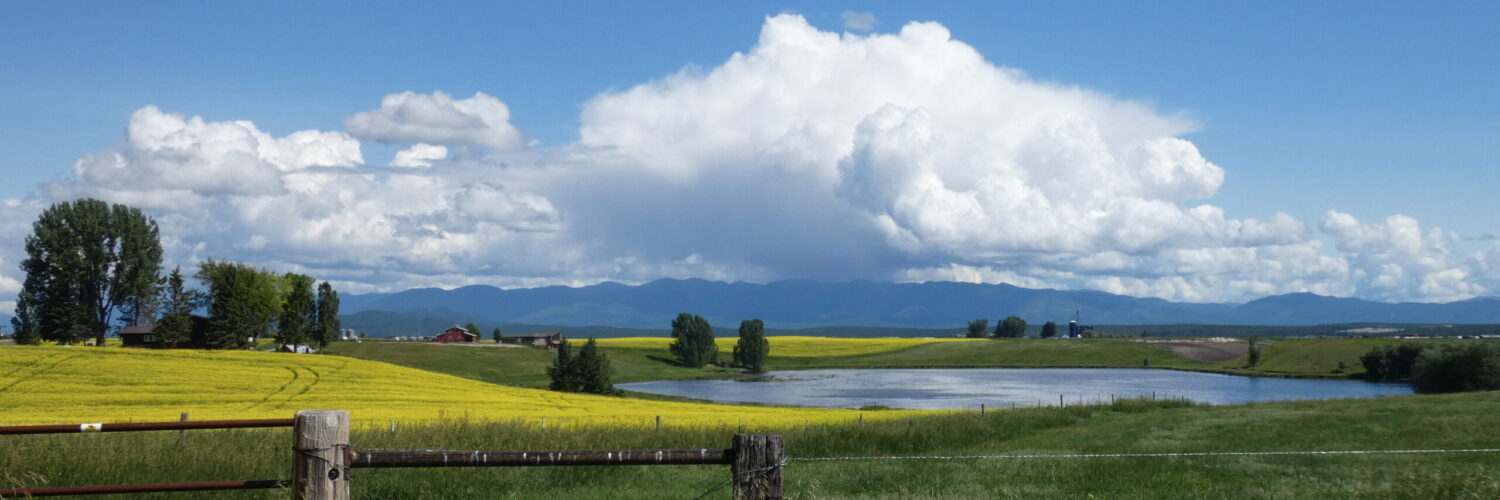
Wheat is grown throughout the West Valley area and is one of the most important crops in the valley. And while most wheat is processed for human consumption, it’s also an important source of food for a variety of local wildlife.
The Mourning Doves, Zenaida macroura, are considered to be our native love bird because their courtship behavior and devotion to each other are legendary.
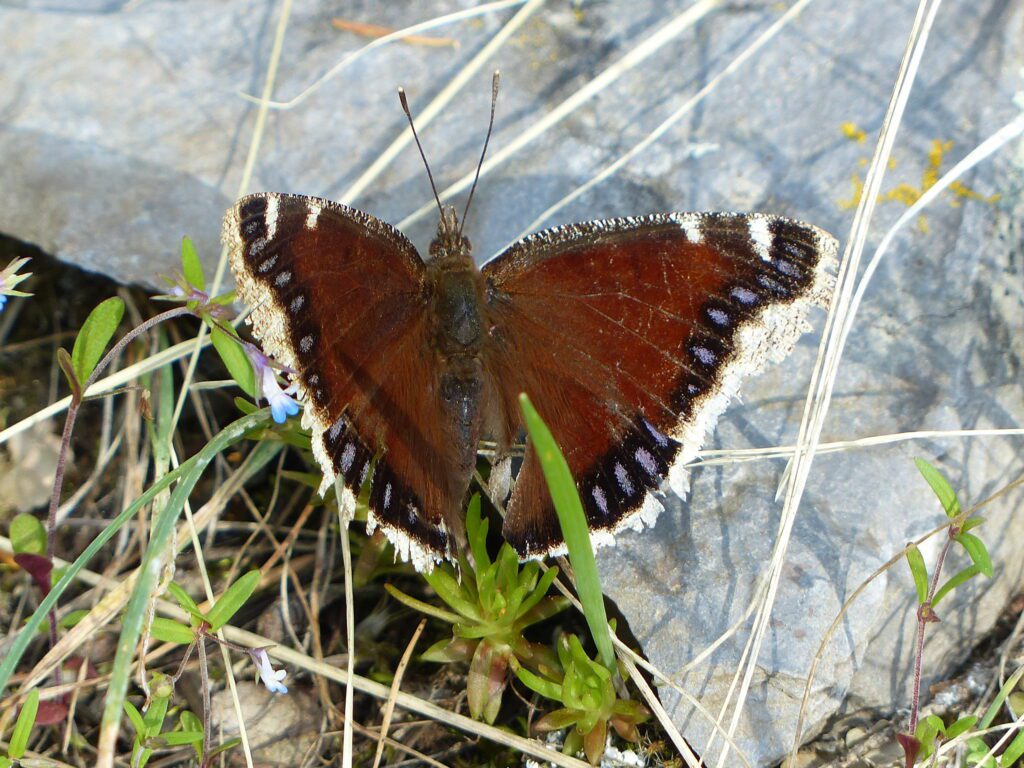
Nymphalis antiopa (Mourning Cloak Butterfly), the Montana State Butterfly
The sight of a Mourning Cloak butterfly is a sure sign of spring to me! In late fall, they crawl behind loose bark on a tree where they increase the level of glycerol in their blood, convert excess water in their bodies into a gelatin-like substance that doesn’t freeze, and spend the winter. As spring warmth arrives, they reverse those properties and start flying sooner than many others! Many butterflies endure the winter as eggs, caterpillars, or in a chrysalis. A few, like Monarchs, migrate to warmer climates.
To take a virtual tour of the West Valley area, click here
You see it everywhere in the valley–lining the bottom of creek beds, along hiking trails, layered throughout road cuts, on the shores surrounding Tally Lake, in the cliffs around Flathead Lake, piled at the corners of plowed fields, covering fireplace hearths and floors, in the pavement of many area roads and parking lots, and often in your yard when you are trying to dig a new garden bed (especially if you live on a glacial drumlin, as I do). It’s the predominant rock in Glacier National Park a few miles to our east, as shown in this Google Earth image, below:
It’s argillite, the colorful rocks and tiered strata that were formed during the Precambrian period well over 500 million years ago–and western Montana is one of the best places in the world to see it.
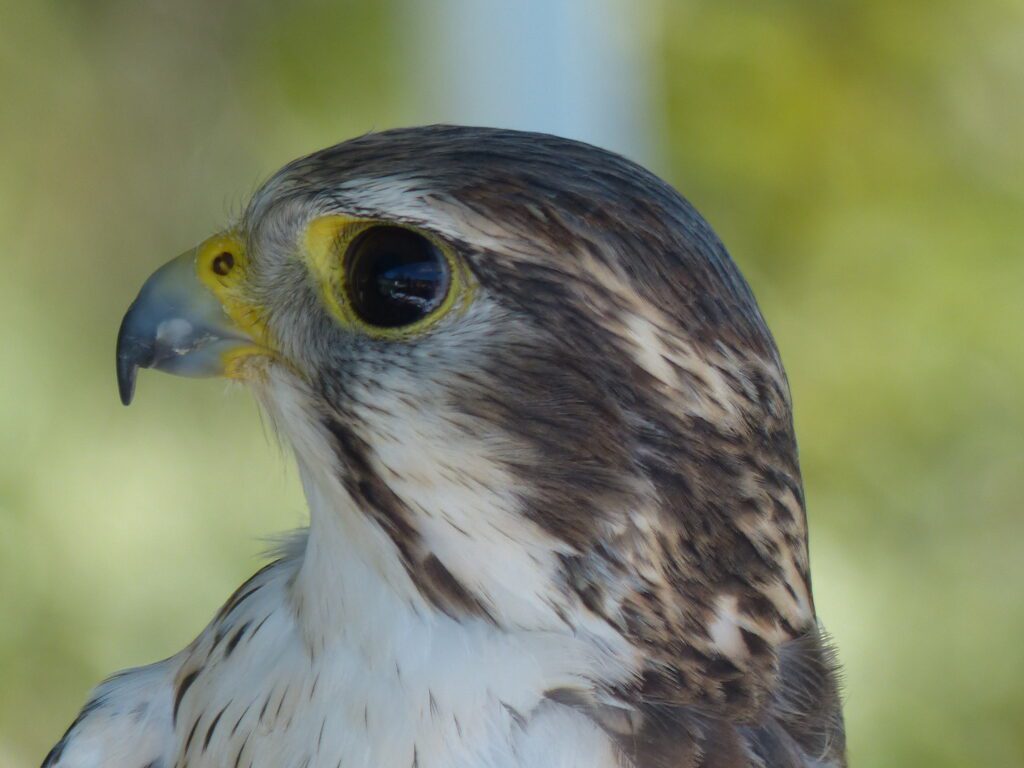
It’s fall already; raptor fans have been counting the migrating raptors at various mountain top sites for a few weeks, and I’m already noticing fewer soaring birds in the West Valley. Any day we may see Rough-legged Hawks that have migrated thousands of miles to call this home for the winter.
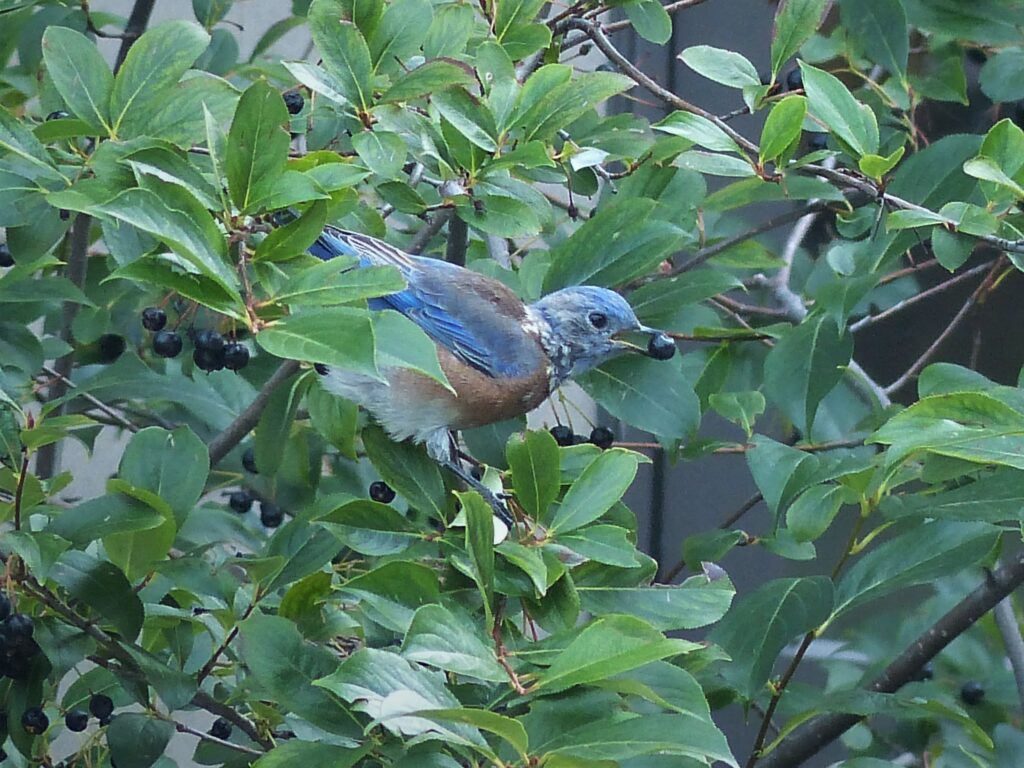
In spring and summer when birds are nesting and raising young, insects are prominent in their diets. The young fledge, and their diets tend more toward fruit, berries, and other high energy foods to fuel their needs for warmth if they’re staying here or energy for migrating.
In every class, there is a class clown. If you put all ducks into a classroom, that role would probably be filled by the ruddy duck. I don’t know of any duck that is more amusing to watch.
Both male and female coots sharing parenting responsibilities for their brood. However, they are not notoriously good parents, at least in one sense of the term. Coots usually hatch 7-9 chicks, but the parents–by some pretty draconian means–like to get that number down to a more feedable 3 or 4. How they do it is…not pretty.
Bald eagles are a fairly common sight in the valley year ’round. In the summer, you’ll find them in trees along creek beds, around ponds and marshes, and even congregating around a roadkill deer. They are opportunistic feeders, preferring fish that they either catch themselves or snatch from other animals such as ospreys or otters, but they will happily take hares, birds, snakes, gophers, frogs, or whatever else is available, including roadkill.
Rocky Mountain beeplant is native to the valley, although I seem to rarely encounter one. They are annuals, but they can grow up to 5 feet in a season. They are in the cleome family (Cleome serrulata) and are often cultivated in gardens. They are one of the most visually striking wildflowers in the area, as you will see.
Kalispell’s West Valley is situated toward the northern end of the breeding range of the beautiful white faced ibis. The spring migration season of 2020 was witness to an unusually large number of these birds making their presence known in the valley. We’ve had multiple sightings of more than 50 birds at once at the Potholes and the West Valley Wildlife Viewing area (see Locations), and fewer at Bowser Lake in the Pig Farm state trust land area.
One of the less common—and certainly one of the most unusual—flowering plants you might encounter in the valley is the spotted coralroot orchid. At first glance it may appear to be dead. It has no leaves, and it can be a deep brown color. But look closely and you’ll find an exceptionally beautiful orchid.