The Shoveler Mating Game

by Skip Via
skip@westvalleynaturalists.org

Northern shovelers are common inhabitants of our local wetlands and marshes during the spring and summer, where they mate and nest. They’re gorgeous birds, the males being easily recognizable by their bright green head, yellow eyes, chestnut and white bodies, black back, and most prominently their long, broad bills. It’s these oversized bills that give them their name, and they are prominent on both males and females.

Continue Reading →
Red Crossbills Year ’round

by Pat Jaquith
pat@westvalleynaturalists.org

Three Red Crossbills up on the roof 10.29.18

Red Crossbills (Loxia curvirostra) are a colorful lot that spend most of their time in the tops of conifer trees where they use their specialized bills to pry open the scales of the cones to retrieve seeds. If you’re fortunate enough to get to know these acrobatic little birds, they will show you many other aspects of their lives.

Continue Reading →

Eastern Bluejays

By Skip Via
skip@westvalleynaturalists.org

Back east (I grew up in NC), bluejays were a common and not always appreciated sight around the bird feeders. They tend to be noisy and aggressive toward other birds. Yet they are distinctly beautiful birds and the story of their expansion into Montana is fascinating, and that’s why we’re starting to see them here in the valley.

Continue Reading →

Pine Siskin

by Linda de Kort
linda@westvalleynaturalists.org

One of the small birds we enjoy observing throughout the year has an unusually “cute” scientific name: Spinus pinus; its common name is Pine siskin. Pine siskins are especially interesting because their populations change so dramatically from winter to winter.  Sometimes we see them, sometimes we don’t.

Continue Reading →

Rough-Legged Hawks are Winter Residents

by Pat Jaquith
pat@westvalleynaturalists.org

Rough-legged hawk profile 9.10.

It’s fall already; raptor fans have been counting the migrating raptors at various mountain top sites for a few weeks, and I’m already noticing fewer soaring birds in the West Valley. Any day we may see Rough-legged Hawks that have migrated thousands of miles to call this home for the winter.

Continue Reading →

Birds and Berries


by Pat Jaquith
pat@westvalleynaturalists.org

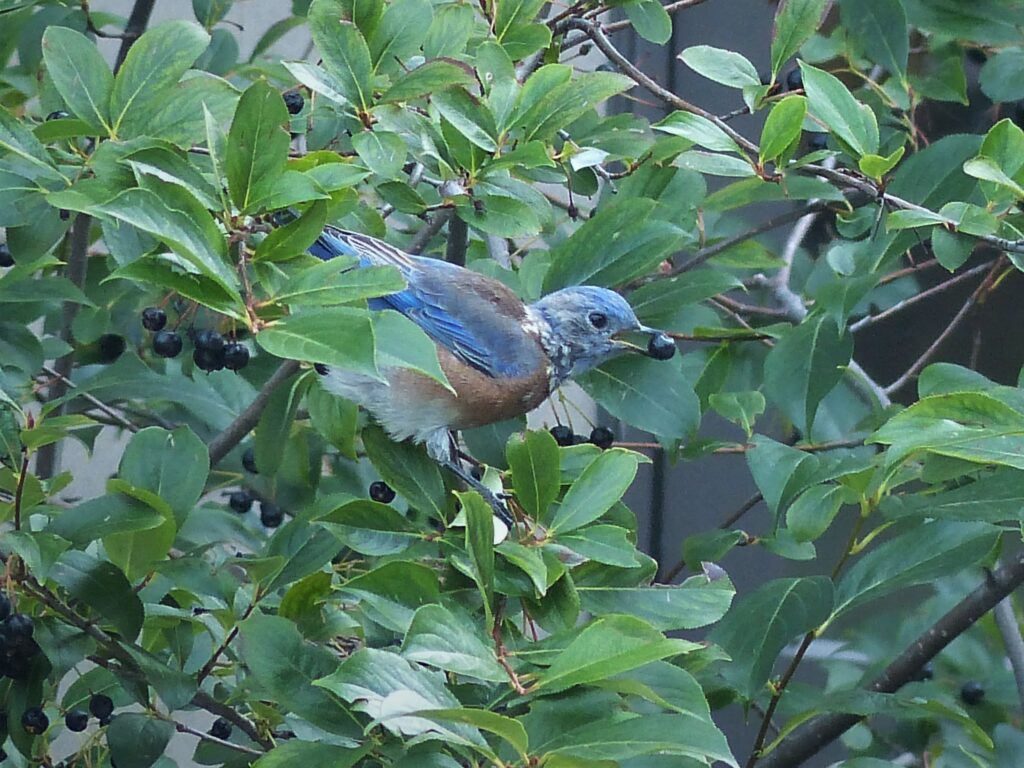
In spring and summer when birds are nesting and raising young, insects are prominent in their diets. The young fledge, and their diets tend more toward fruit, berries, and other high energy foods to fuel their needs for warmth if they’re staying here or energy for migrating.

Continue Reading →

Coot Parenting?

by Skip Via
skip@westvalleynaturalists.org

Both male and female coots sharing parenting responsibilities for their brood. However, they are not notoriously good parents, at least in one sense of the term. Coots usually hatch 7-9 chicks, but the parents–by some pretty draconian means–like to get that number down to a more feedable 3 or 4. How they do it is…not pretty.

Continue Reading →

Eagles Everywhere

by Skip Via
skip@westvalleynaturalists.org

Bald eagles are a fairly common sight in the valley year ’round. In the summer, you’ll find them in trees along creek beds, around ponds and marshes, and even congregating around a roadkill deer. They are opportunistic feeders, preferring fish that they either catch themselves or snatch from other animals such as ospreys or otters, but they will happily take hares, birds, snakes, gophers, frogs, or whatever else is available, including roadkill.

Continue Reading →

White faced Ibis

by Skip Via
skip@westvalleynaturalists.org

Kalispell’s West Valley is situated toward the northern end of the breeding range of the beautiful white faced ibis. The spring migration season of 2020 was witness to an unusually large number of these birds making their presence known in the valley. We’ve had multiple sightings of more than 50 birds at once at the Potholes and the West Valley Wildlife Viewing area (see Locations), and fewer at Bowser Lake in the Pig Farm state trust land area.

Continue Reading →