Galls: Growth on Plants

by Pat Jaquith
pat@westvalleynaturalists.org

Winter is a good time to spot unusual things when the leaves are off and grasses are dry and beaten down by snow. Sometimes it just takes a splash of color that you wouldn’t expect to draw your attention to an unusual growth. The galls in this article all are caused by different insects but are benign, that is, they usually don’t harm the plant they are on.

Continue Reading →

Lichens

by Pat Jaquith
pat@westvalleynaturalists.org

One of my passions is wildflowers, but the growing season of wildflowers is pretty short here in the West Valley. I have turned to lichens to help fill the void in colder months; it’s a fascinating venture. Neither plant nor animal, lichens are plentiful around here. One source reports there being 2500 species in the Pacific Northwest. Fossil records date them as long as 400 million years ago. Lichens can be found on the ground, on rocks, and on trees – both decaying and healthy. When you go out looking at lichens, I strongly recommend taking a hand lens because some of their most interesting features are almost microscopic!

Continue Reading →

Nomadic Winter Birds

by Pat Jaquith
pat@westvalleynaturalists.org

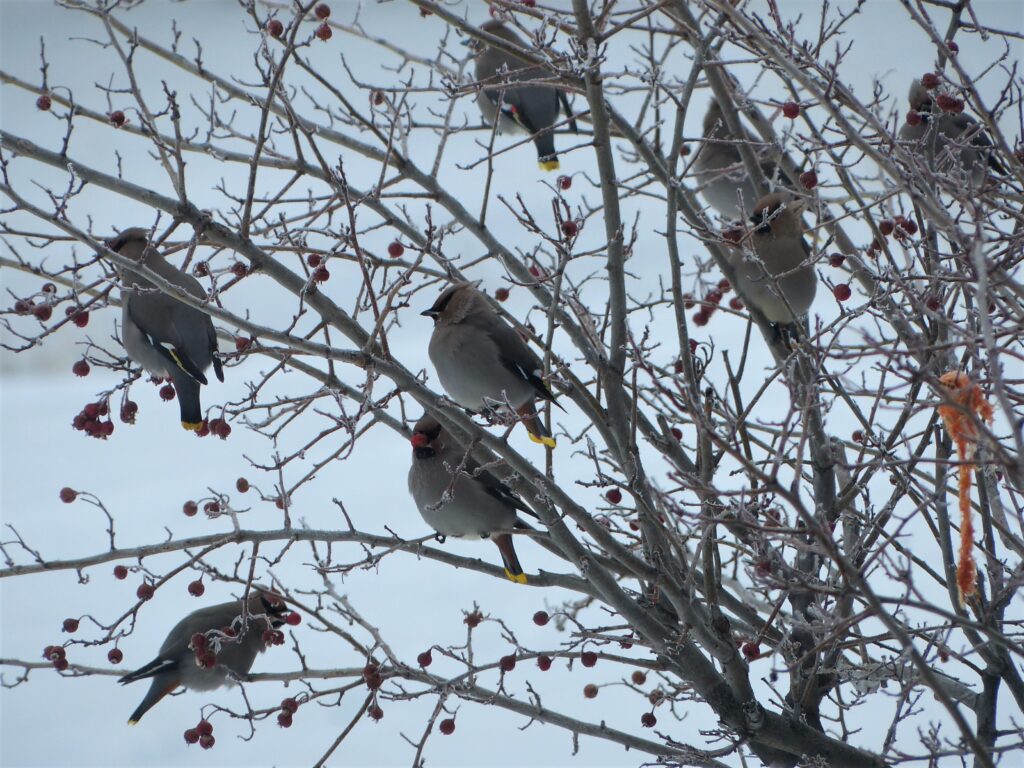
Bohemian Waxwings in freezing fog 1.17.2018

Many birds migrate from a winter home to take advantage of an abundance of insects, longer periods of daylight for scavenging, and increased success in raising a brood in the north. As winter arrives and insects become scarce their survival depends on their returning to a warm climate where insects are available.
Birds that depend on non-insect food sources and move from place to place in response to the availability of food sources, independent of season, are referred to as nomads. They often travel in flocks of the same species, searching out food, and moving on.

Continue Reading →

Uninvited Feeder Visitors

by Pat Jaquith
pat@westvalleynaturalists.org

With the onset of colder weather and more time inside, many of us start to feel sorry for the birds out there in the cold and fill up the feeders. Inviting avian visitors certainly has its rewards. Observing bird activity lifts our spirits; having birds close enough to get repeated good looks improves our ability to identify them; we feel like we’ve provided a bit of refuge them. There’s a thrill in seeing a new bird at your feeder! But with all such gestures comes responsibilities, unexpected outcomes and sometimes consequences.

Continue Reading →

Wings over the Valley

by Pat Jaquith
pat@westvalleynaturalists.org

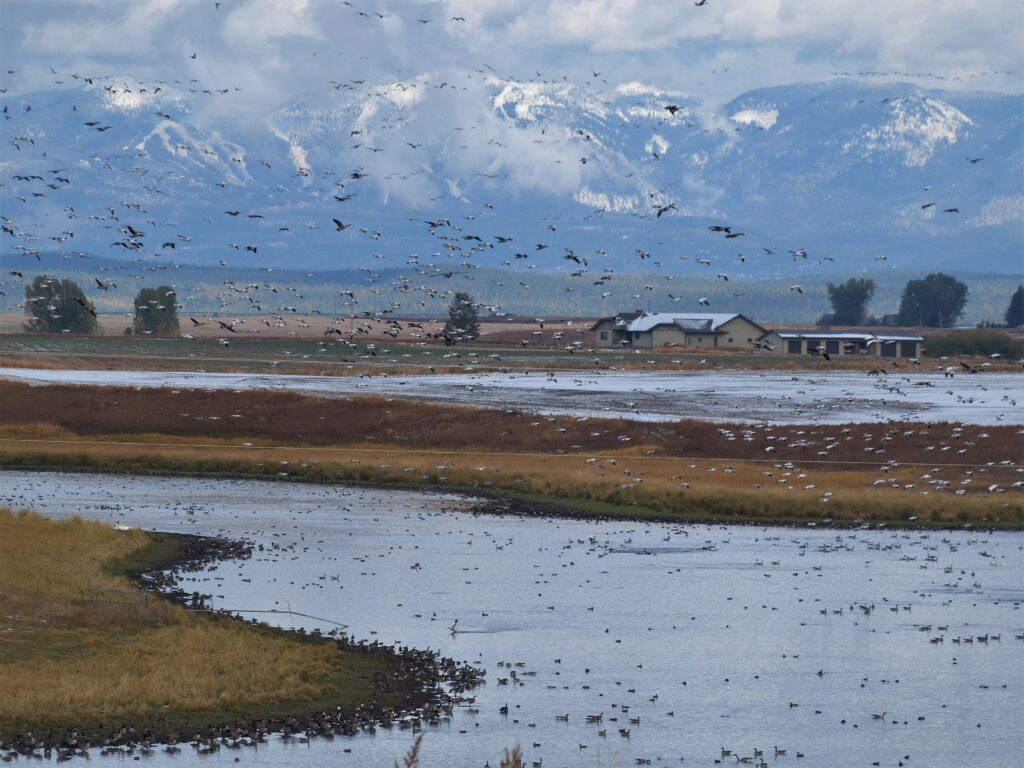
Geese, Cranes, Ducks and Gulls flock to the West Valley Wildlife Viewing Area 10.20.20

Throughout the fall, as birds start moving from nesting sites toward warmer climates and more plentiful food sources, they teach us how they value our valley as many species gather in the harvested fields and in and around the several potholes for rest, food, and perhaps reunions before moving on.

Continue Reading →

Pinedrops’ Three Seasons

by Pat Jaquith
pat@westvalleynaturalists.org

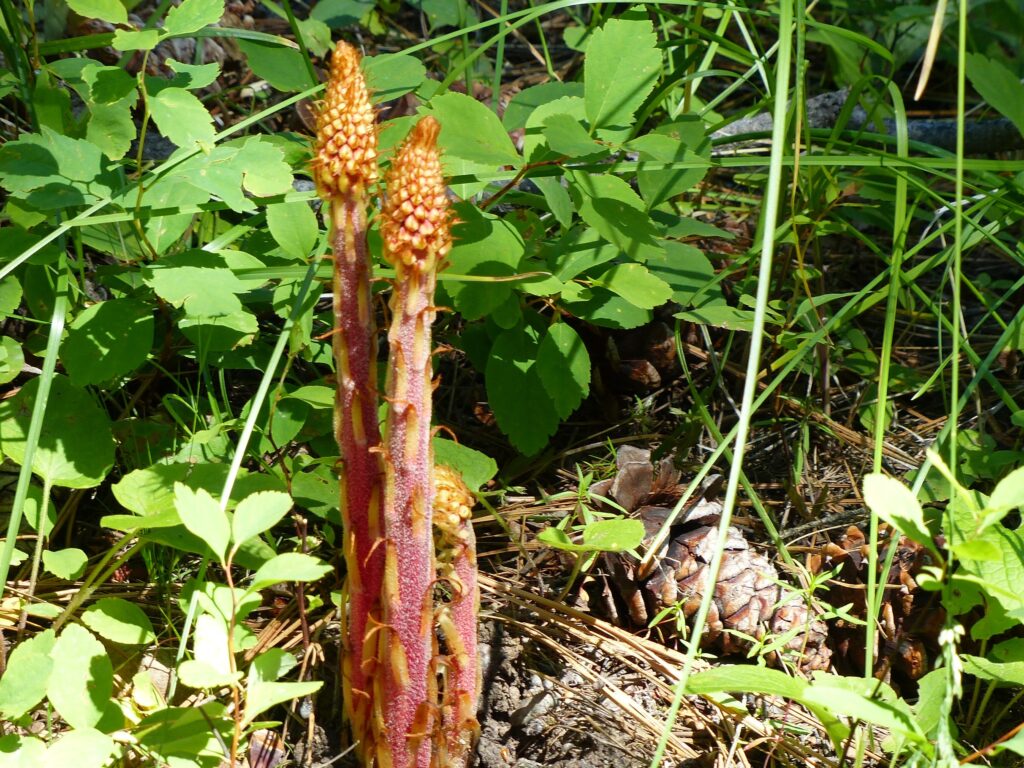
Pterospora andromedea (Pinedrops) early growth 7.03.20

Pinedrops, perhaps named for the sticky texture of its stem, makes its first appearance in woods and clearings near pine trees after many of the spring ephemerals have gone to seed. Its three stages of growth are so different in appearance it would be easy to overlook the fact that they are all the same plant.

Continue Reading →

Red Crossbills Year ’round

by Pat Jaquith
pat@westvalleynaturalists.org

Three Red Crossbills up on the roof 10.29.18

Red Crossbills (Loxia curvirostra) are a colorful lot that spend most of their time in the tops of conifer trees where they use their specialized bills to pry open the scales of the cones to retrieve seeds. If you’re fortunate enough to get to know these acrobatic little birds, they will show you many other aspects of their lives.

Continue Reading →