Which comes first: the caterpillar or the butterfly (or moth)? It’s such an interesting puzzle to think about when you find a caterpillar – what flying beauty will it turn into? Here are a few that live in our area that tentatively I have matched up.
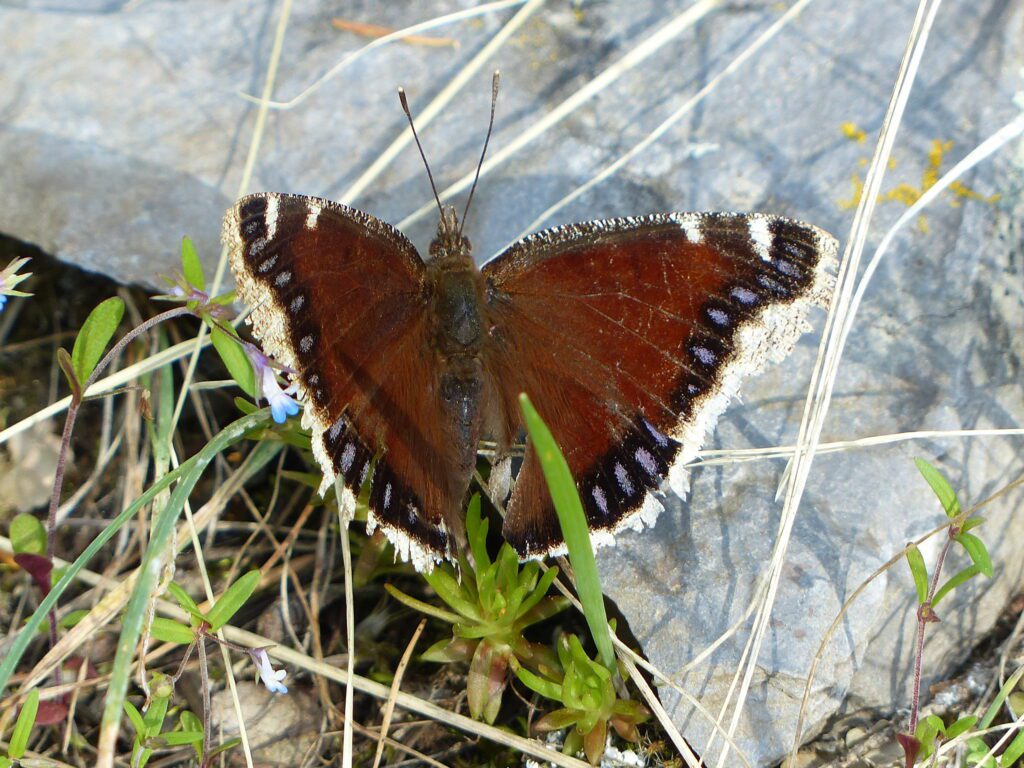
Nymphalis antiopa (Mourning Cloak Butterfly), the Montana State Butterfly
The sight of a Mourning Cloak butterfly is a sure sign of spring to me! In late fall, they crawl behind loose bark on a tree where they increase the level of glycerol in their blood, convert excess water in their bodies into a gelatin-like substance that doesn’t freeze, and spend the winter. As spring warmth arrives, they reverse those properties and start flying sooner than many others! Many butterflies endure the winter as eggs, caterpillars, or in a chrysalis. A few, like Monarchs, migrate to warmer climates.
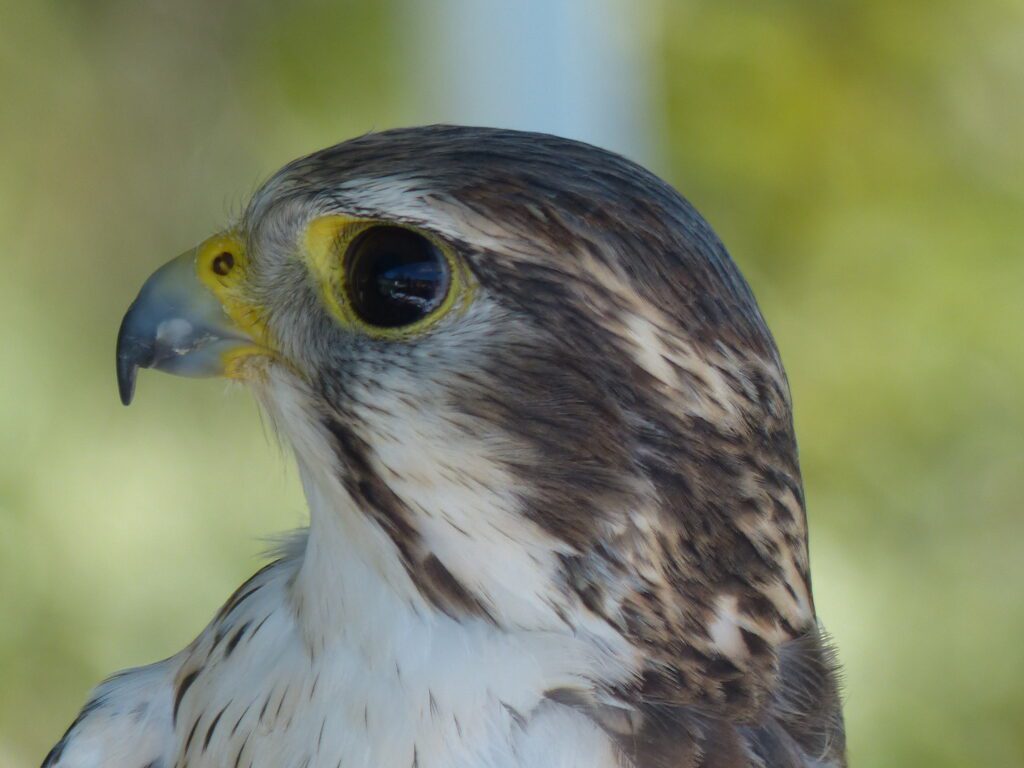
It’s fall already; raptor fans have been counting the migrating raptors at various mountain top sites for a few weeks, and I’m already noticing fewer soaring birds in the West Valley. Any day we may see Rough-legged Hawks that have migrated thousands of miles to call this home for the winter.
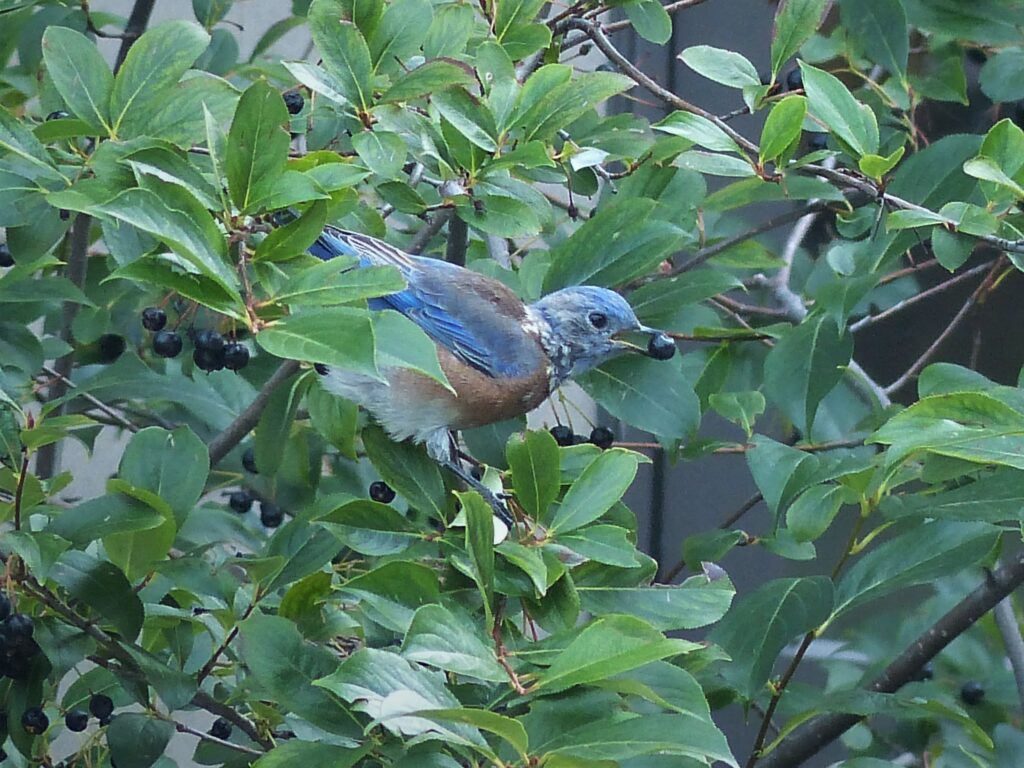
In spring and summer when birds are nesting and raising young, insects are prominent in their diets. The young fledge, and their diets tend more toward fruit, berries, and other high energy foods to fuel their needs for warmth if they’re staying here or energy for migrating.
There are at least six species of Calochortus lilies in Montana, and we are lucky to host at least three in our area! Anyone walking in our woodlands and open hilltops in June/July, 2020, had many opportunities to see some of them.
People who look closely at flowers may also see a variety of insects. Pollinators’ visits are self-serving: they are attracted to the flowers for the nectar or pollen they can collect for food. Only incidentally do they provide the service of pollination. Crab Goldenrod Spiders (named for the flower where they are frequently observed) visit flowers to seek nourishment by preying on the pollinators.
Bowser Lake is a shallow lake in a bentonite depression in the western part of Pig Farm; with only meltwater or rain to fill it, it evaporates rapidly, but it attracts an interesting variety of birds while it has water.