by Pat Jaquith
pat@westvalleynaturalists.org
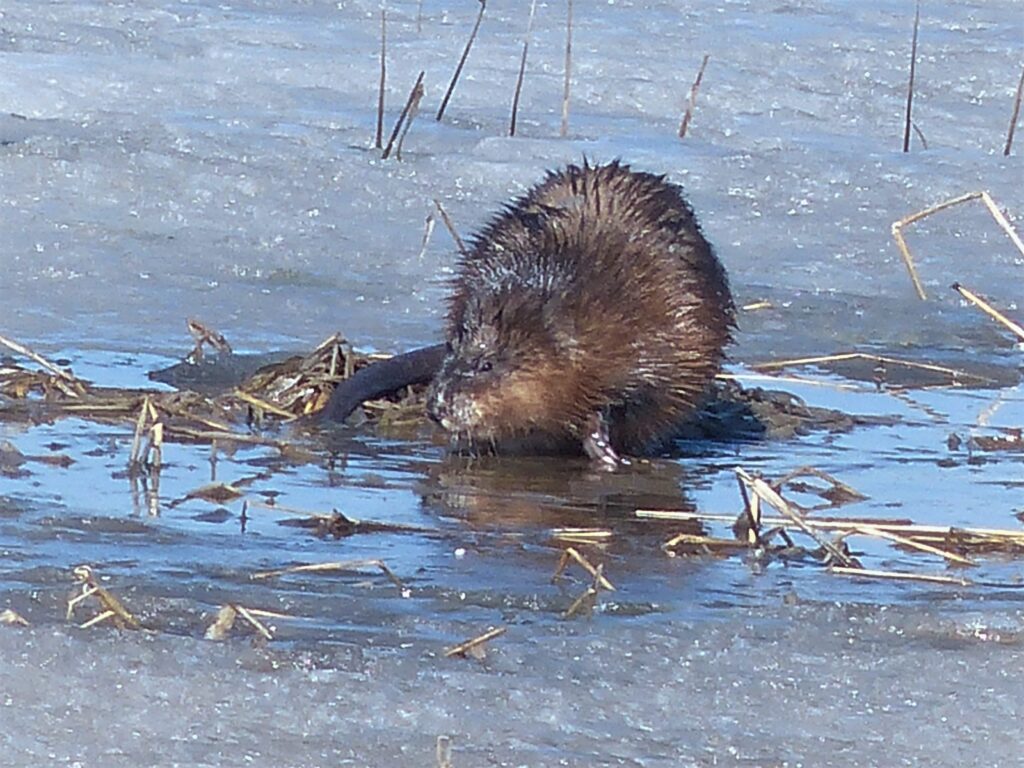
A year-round resident of the West Valley ponds, this Muskrat finds building materials, food, and protection in a watery habitat with reeds and cattails. 3.21.20
Continue Reading →The natural environment and history of Kalispell’s West Valley area
by Pat Jaquith
pat@westvalleynaturalists.org
A year-round resident of the West Valley ponds, this Muskrat finds building materials, food, and protection in a watery habitat with reeds and cattails. 3.21.20
Continue Reading →by Skip Via
skip@westvalleynaturalists.org
In casual conversation about the living inhabitants of an ecosystem, especially among those of us who took high school biology in the 60s, we generally rely on “flora” and “fauna” to categorize and conceptualize the organisms living there. If something’s not a mineral, then it must be a plant or an animal.
But it could be something else.
Continue Reading →by Pat Jaquith
pat@westvalleynaturalists.org
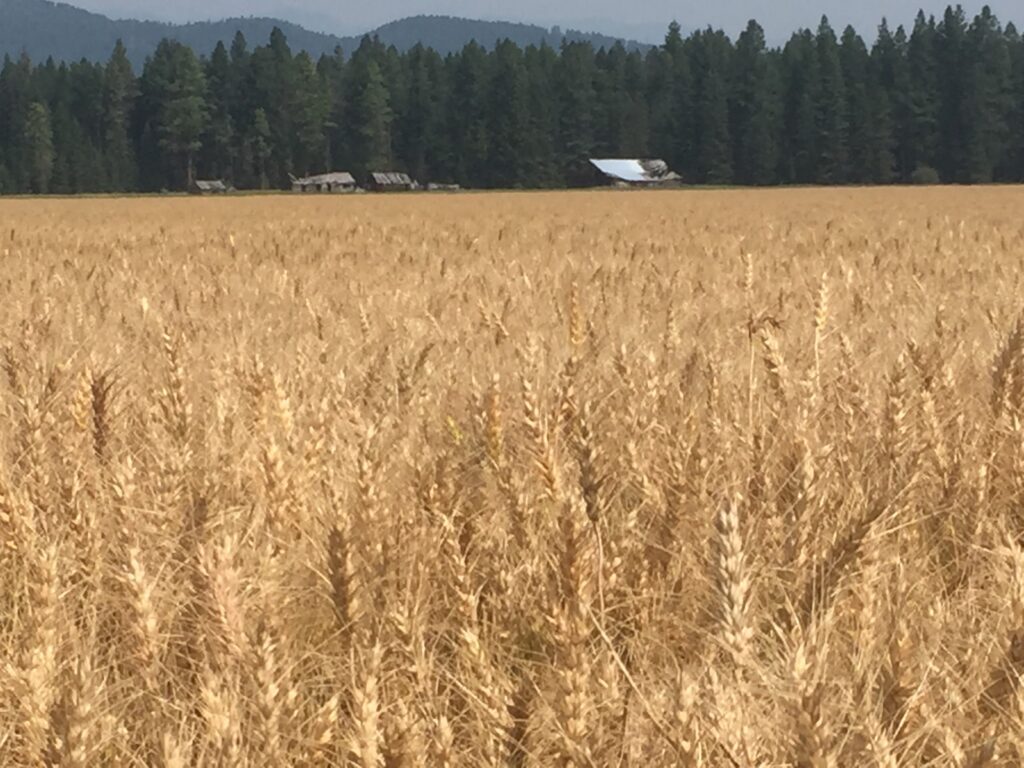
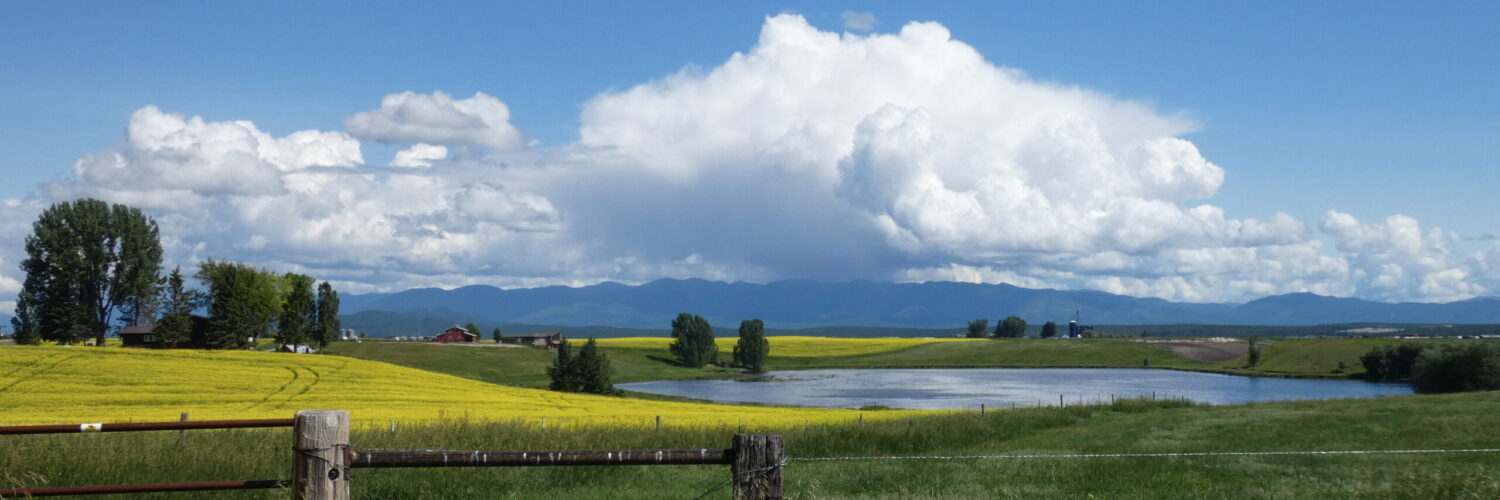
The historic Ray Kuhns homestead off Farm-to-Market Road between Kalispell and Whitefish is under MFWP management as the Kuhns WMA (wildlife management area). 100 acres of the 1556.5A parcel are leased for farming to improve the soil, control noxious weeds, and provide food and cover to benefit deer and upland game birds. In this article, you can read more about this public resource in our community.
Continue Reading →by Skip Via
skip@westvalleynaturalists.org
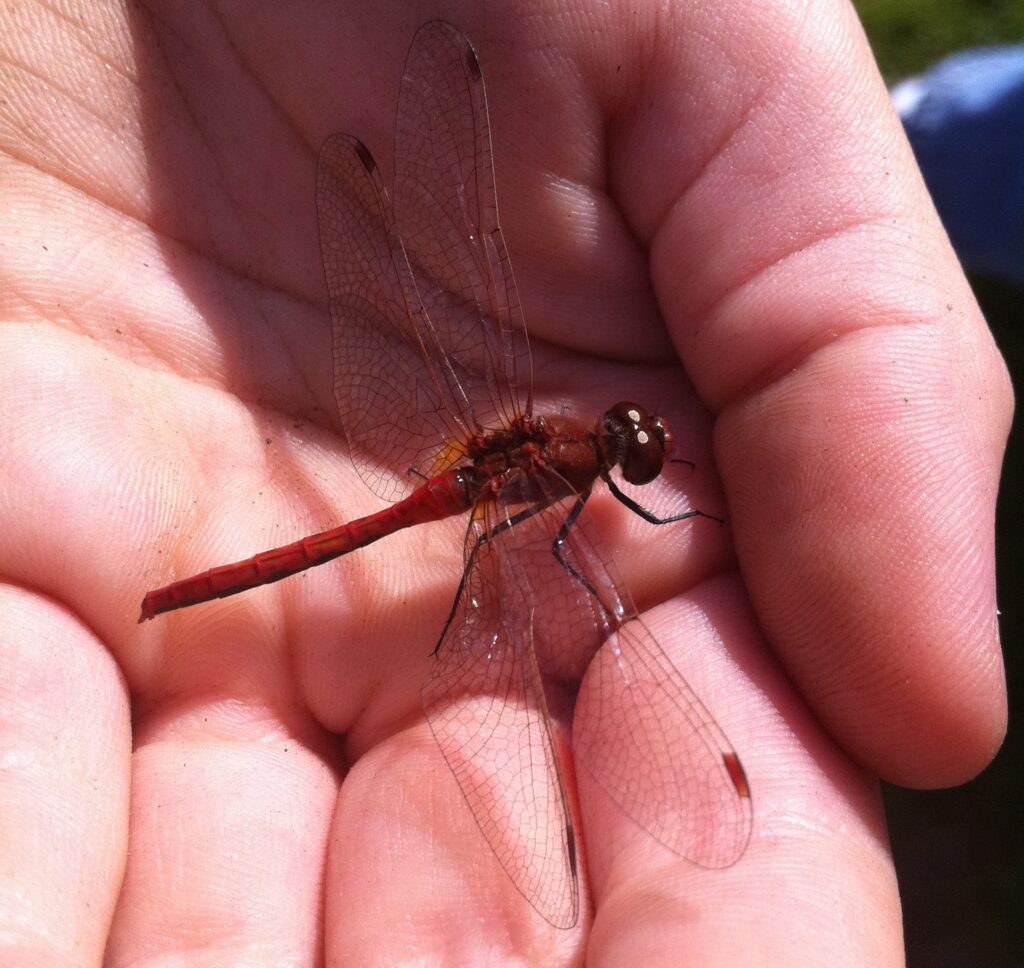
Dragonflies have interested me since my early childhood (and still ongoing) fascination with dinosaurs. So many of the illustrations in my myriad of dino books included swampy scenes with huge dragonflies swarming around, looking like fighter planes or helicopters. It wasn’t until many years later that I learned that the insects in those illustrations weren’t really dragonflies as we know them, but very distant ancestors.
Continue Reading →by Skip Via
skip@westvalleynaturalists.org
Tris Hoffman’s wonderful article A Very Special Bee (published here earlier this spring) prompted me to finally get serious about being able to identify a few of the plethora of native bee species we see here in the West Valley area of the Flathead. It’s an ongoing process, but with Tris’ help, iNaturalist, and other local and online sources, I’ve been able to catalog the following species this summer. It’s the tip of the iceberg, so to speak, given that Montana has more than 20 species of native bumblebees (not to mention the native sweat bees, miner bees, leaf cutter bees, mason bees, and others) but it’s a start.
Continue Reading →by Skip Via
skip@westvalleynaturalists.org
Here’s one for the “you learn something new every day” file: a quick look at the European wool carder bee.
Continue Reading →by Pat Jaquith
pat@westvalleynaturalists.org

Robins are so familiar they stop being a curiosity. That is, until they do something like building their nest where we can look into it whenever we sit on the deck as they did in 2018. The following article includes photos and observations about Robins gathering food for their family in 2021.
Continue Reading →by Pat Jaquith
pat@westvalleynaturalists.org
If you drive past the West Valley Ponds at most any time of day from early spring to fall, you can see Swallows performing aerial acrobatics as they scoop up flying insects. We have several species of Swallows that find the West Valley a welcoming summer home with plenty of habitat for nests of various types and flying insects for food to sustain them and their growing offspring. Some of the swallows forage over open fields and meadows with low vegetation. In early spring, I often see all the species at the West Valley Ponds; early in the morning they line up on power lines until the lines sag. It’s a great place to learn what they all look like. Before long, they sort things out and move out to their preferred habitat for nesting.
Continue Reading →by Pat Jaquith
pat@westvalleynaturalists.org
Over the years, the State has adopted plants, animals, stones, songs, and other artifacts as symbolic of Montana. Here are several that I have collected just because I found them interesting, beautiful, awesome, and wonderful. Only recently have I discovered that these have gained such stature. Scroll down to see if the images inspire a reaction in you!
Continue Reading →by Skip Via
skip@westvalleynaturalists.org
White-lined sphinx moths (Hyles lineata) are one of over a thousand varieties of sphinx moths, most of which occur in tropical zones. This one is common throughout most of Central America and North America to southern Canada. Hyles lineata is a type of hawk moth, but they are often called hummingbird moths because they resemble hummingbirds in appearance, size, and actions. They are generally common here in the valley, although their population numbers and locations vary from year to year.
Continue Reading →by Pat Jaquith
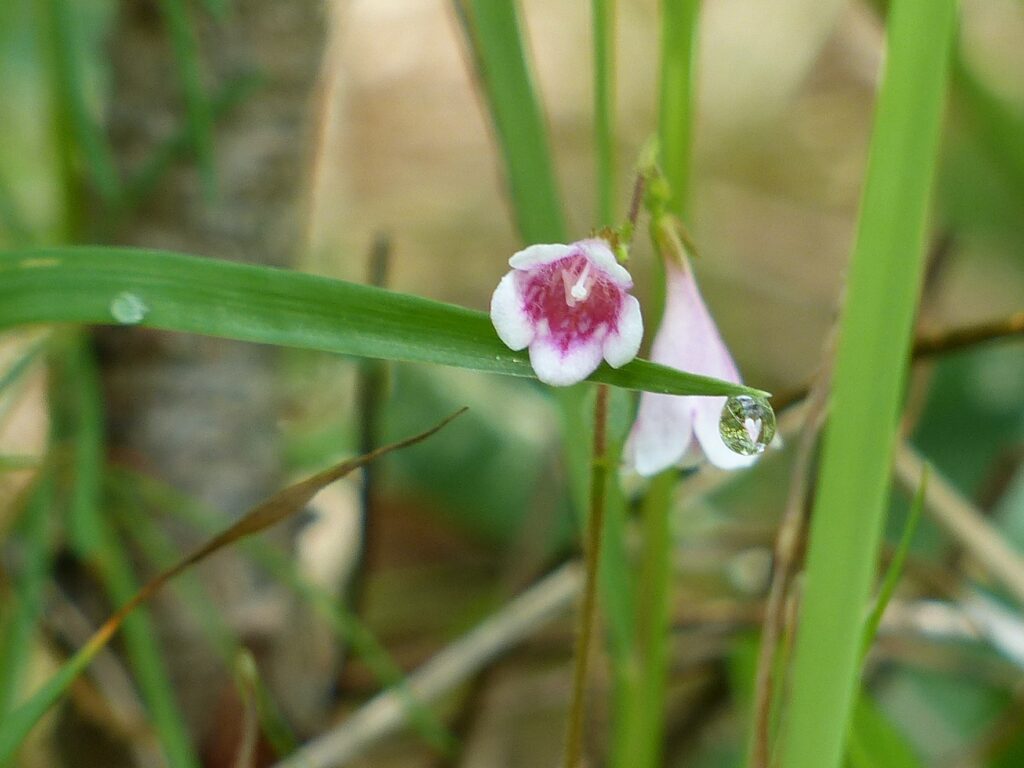
Spring is in full swing! Everywhere you look, something is bursting with color, singing exuberantly, or growing so fast you can almost hear the cells expanding! I could almost hear the bells ringing as I lay in the damp grass looking at a patch of Twin flowers! Here are some of my favorite images taken in the third month of Spring.
Continue Reading →By Skip Via
skip@westvalleynaturalists.org
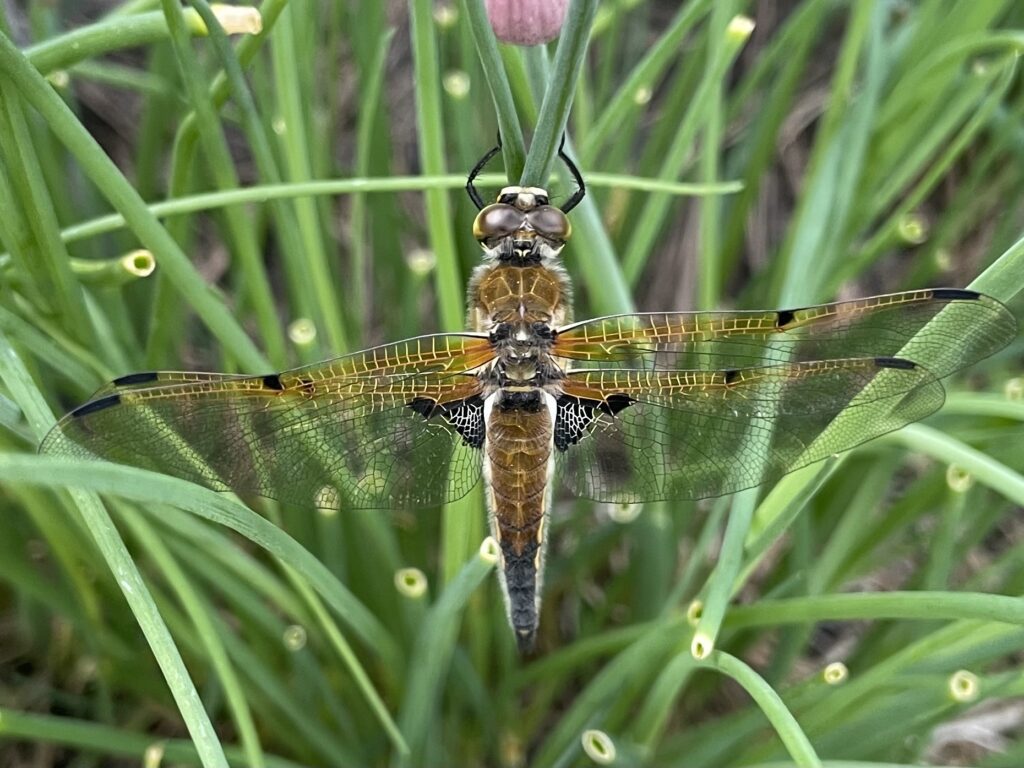
This four-spotted skimmer (female, I think) was observed on May 18 2021 perched on some chives in our garden. This dragonfly is not at all uncommon here, but it IS uncommonly beautiful.
By Skip Via
skip@westvalleynaturalists.org
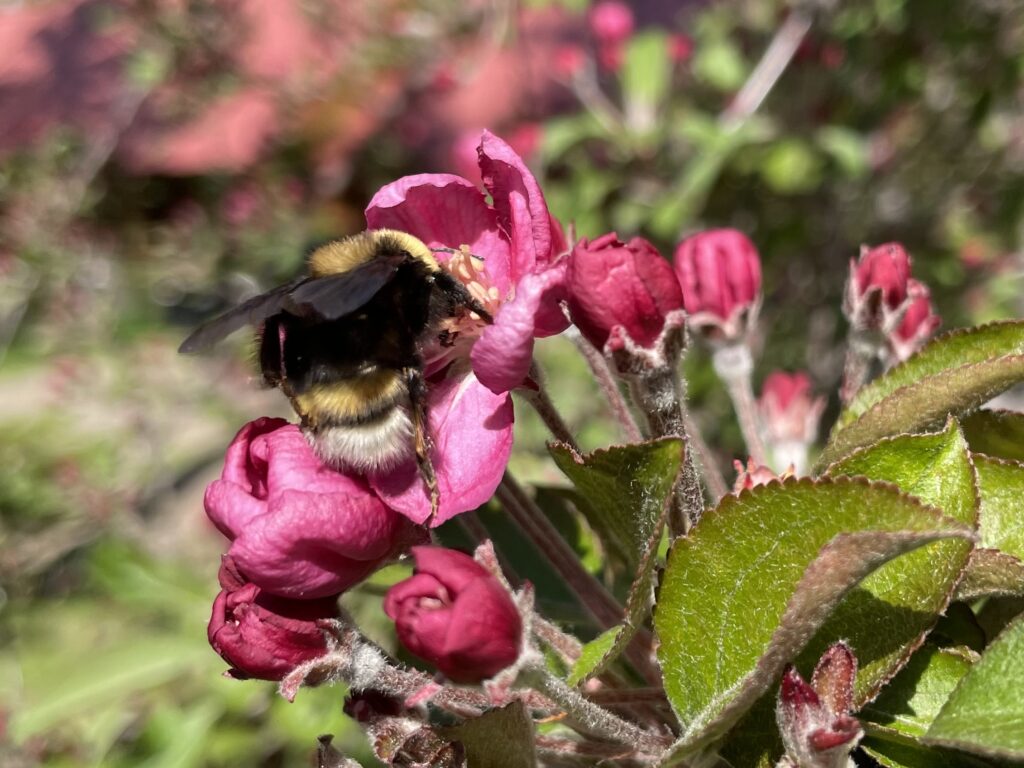
Ever since reading Tris Hoffman’s excellent post on the Western bumblebee (read it here: A Very Special Bee), I’ve been on the lookout for a specimen that I could photograph. Today, I found one jamming it’s head into the emerging blossoms of a crabapple tree in our yard. Here are the photos—read Tris’s post for information about it’s scarcity (the West Valley area is still a good place to see them) and ways to increase their numbers.
by Skip Via
skip@westvalleynaturalists.org
An immature bald eagle gets chased by a pair of red tail hawks when he gets too close to their nest.

by Skip Via
skip@westvalleynaturalists.org
A pair of young rival toms try everything they can to attract the attention of a hen. Any hen. One seems interested, for a while.
Continue Reading →