a presentation by Laura Katzman, Flathead Land Trust
September 28 2022
We are grateful to Laura for allowing us to share her slides from her presentation “Sandhill Cranes,” West Valley School, September 2022
The natural environment and history of Kalispell’s West Valley area
a presentation by Laura Katzman, Flathead Land Trust
September 28 2022
We are grateful to Laura for allowing us to share her slides from her presentation “Sandhill Cranes,” West Valley School, September 2022
by Jeanine Buettner
nammy@montanasky.com
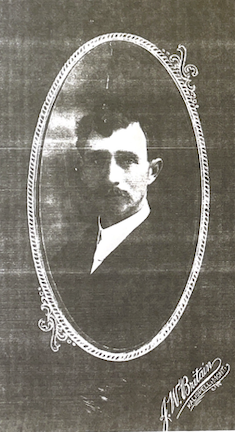
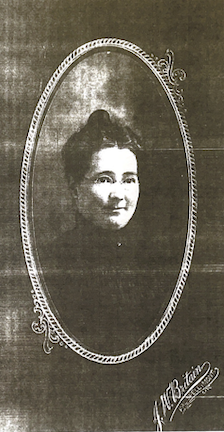
Edmond Kelley was born in Wyoming County, Pennsylvania, on April 18, 1860 and was educated and lived in Pennsylvania until coming to Montana in 1885, first locating in Butte and then moving to the Flathead Valley in 1887. He spent his first night in Somers. He was told that the valley farther up had some value as a range for cattle but of no value for farming. The next day he walked to the site that would later become Demersville.
by Skip Via
skip@westvalleynaturalists.org
This article has two purposes: to illustrate my July 2022 newsletter post about macro photography and to highlight one of the multitude of opportunities we have here in the valley to view nature’s wonders.
All of the photos in this post were taken during and just after a light rain in Happy Valley (see Locations) on June 21, 2022. For the photographically inclined, I was using the Halide app on an iPhone 12 Pro for the macro shots. Aside from cropping some shots, no additional editing or filters were used. What you see is exactly what came out of the camera. Please notice the minute detail that can be captured with macro photography–the raindrops on the mariposa lilies, the feathered edges of the tailed-blue butterfly’s wings, the fuzzy leaves and stem of the cinquefoil, the backlighting on the forget-me-nots, etc. It’s a whole new world down there at the macro level. Also notice that the backgrounds of most shots are blurred. This is called the “bokeh effect” and it’s a natural function of macro photography, which uses a shallow depth of field. It does make for some dramatic photos, calling attention to your subject matter.
Click on any image to enlarge it.
by Skip Via
skip@westvalleynaturalists.org
Click on images to enlarge them.
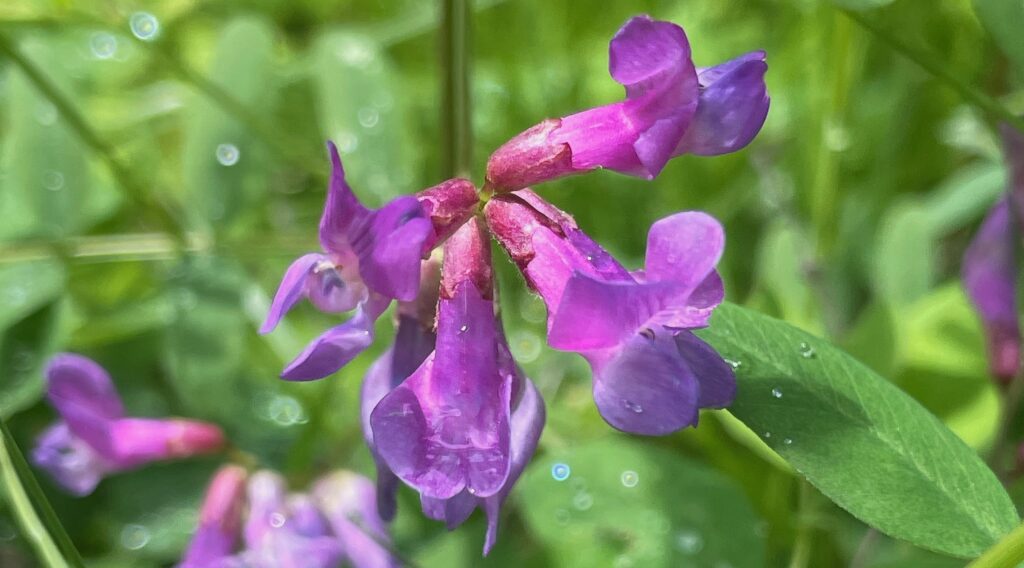
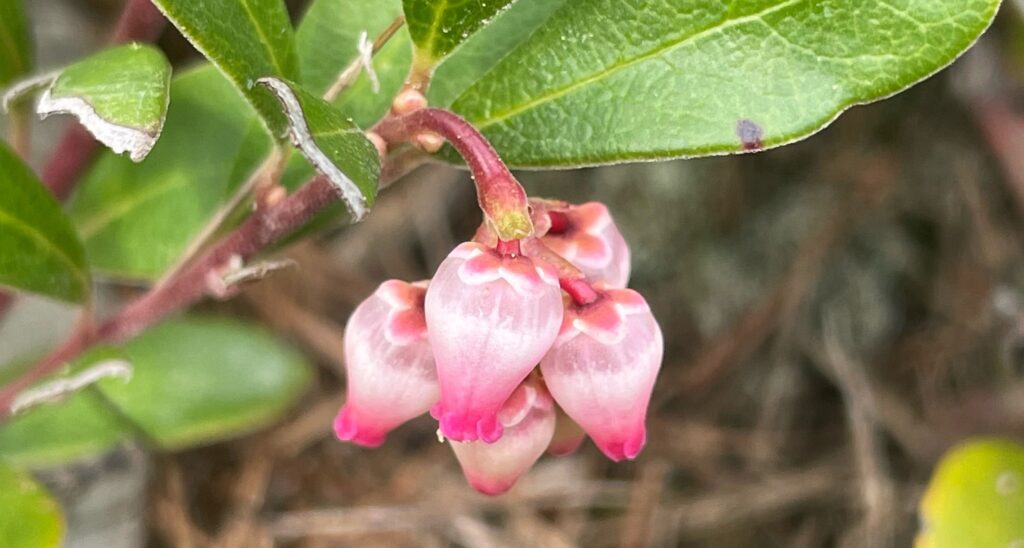
Despite our fits-and-starts beginning to spring here in the valley, it looks like we’re in for another glorious season of wildflowers. I spent last week looking for emerging blossoms and this photo essay is reflective of what I encountered. It’s just another reminder of the beauty and complexity that lies beneath our feet in these parts.
All photos were taken in and around West Valley. Pairs of images were shot at the same location on the same day.
by Jeanine Buettner
nammy@montanasky.com
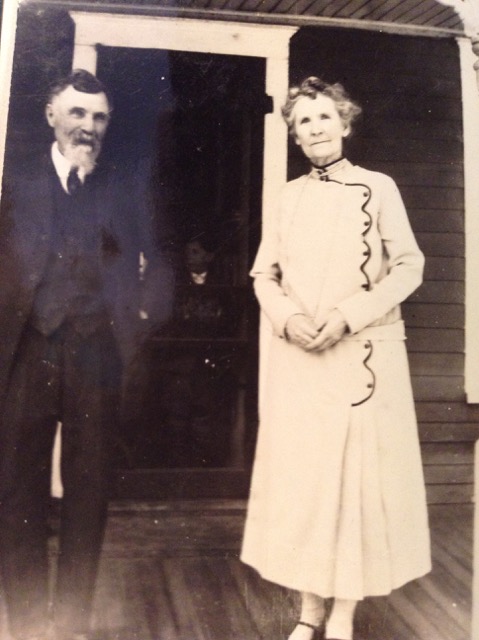
My great grandparents Frank and Ida Stiles moved to Kalispell in 1901, from Corona, South Dakota where Frank was a farmer, school teacher and a member of the House of Representatives. They packed everything they owned including farm machinery into a boxcar and made their way to the Flathead Valley, bringing with them their four children, my grandfather T. Milton being the youngest.
by Skip Via and Pat Jaquith
skip@westvalleynaturalists.org pat@westvalleynaturalists.org
Click on an image to enlarge it.
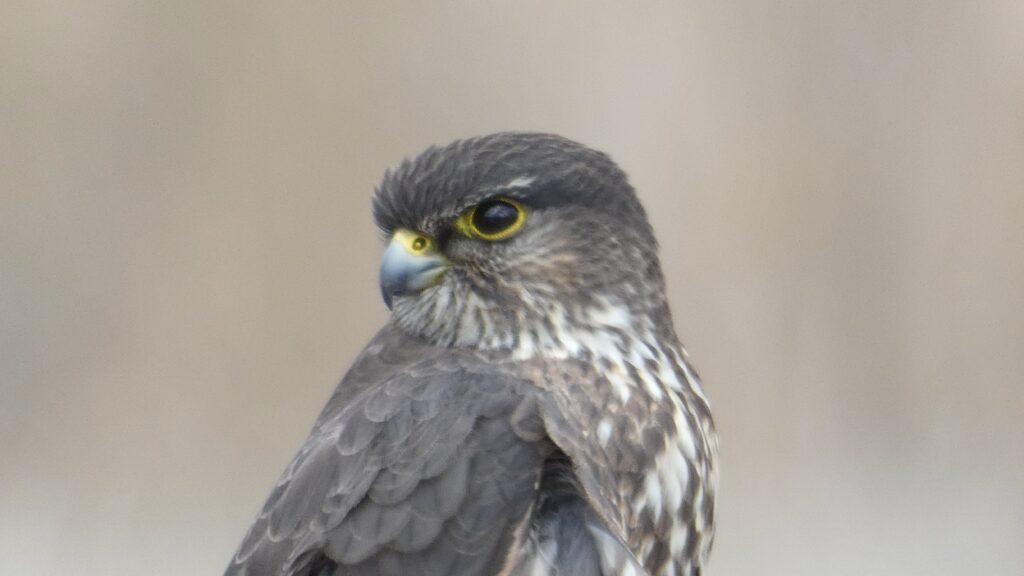
There are five species of falcons that live in North America, and West Valley plays host to all of them at some point in the year. If you’re observant (and quick, as falcons tend to spook easily), you may be fortunate enough to see them all.
by Jeanine Buettner
nammy@montanasky.com
Walter Parke Jaquette was one of the Flathead’s early pioneers. He was born October 16, 1863 in Oxford, Pennsylvania to Peter and Eleanor Jaquette.
Walter was from a very prominent Pennsylvania family. His great great grandfather Maj. Peter Jaquette served under Washington during the Revolutionary war. His great grandfather Capt. Peter Jaquette organized and furnished a great extent of company horses for the military. His father Peter L. Jaquette was a veteran of the Civil War and was at the White House when President Lincoln was assassinated.
Continue Reading →Pat Jaquith
pat@westvalleynaturalists.org
Skip Via
skip@westvalleynaturalists.org
As much as we enjoy the beauty and variety of northwestern Montana winters, we do sometimes find ourselves thinking about the colorful visual landscapes of summer. And few elements accentuate that beauty as elegantly as our local butterfly population does.
This page is Part 1 of a series of three pages:
Seen Fluttering By 1 (Fritillaries, Tortoiseshells, Checkerspots, Commas and Swallowtails)
Seen Fluttering By 2 (Skippers, Sulphurs, Julias, Admirals, Crescents and Blues)
Seen Fluttering By 3 (Elfins, Hairstreaks, Miscellaneous)
Pat Jaquith
pat@westvalleynaturalists.org
Skip Via
skip@westvalleynaturalists.org
This page is Part 2 of a series of three pages:
Seen Fluttering By 1 (Fritillaries, Tortoiseshells, Checkerspots, Commas and Swallowtails)
Seen Fluttering By 2 (Skippers, Sulphurs, Julias, Admirals, Crescents and Blues)
Seen Fluttering By 3 (Elfins, Hairstreaks, Miscellaneous)
Pat Jaquith
pat@westvalleynaturalists.org
Skip Via
skip@westvalleynaturalists.org
This page is Part 3 of a series of three pages:
Seen Fluttering By 1 (Fritillaries, Tortoiseshells, Checkerspots, Commas and Swallowtails)
Seen Fluttering By 2 (Skippers, Sulphurs, Julias, Admirals, Crescents and Blues)
Seen Fluttering By 3 (Elfins, Hairstreaks, Miscellaneous)
by Skip Via
skip@westvalleynaturalists.org
Editor’s Note: A followup to this article, with more accurate information on how different varieties of frost form, is available here: Hoar Frost, Rime Ice, or Something Else?
A few days ago, driving around West Valley, I remarked on the beauty of the hoarfrost that had coated some Ponderosa pines along the roadside. That got me wondering about the nature of hoarfrost and how it forms. It turns out that some of what I have been calling hoarfrost is, in fact, not hoarfrost, but rather rime ice. The difference is not important for the casual observer, but it can be important meteorologically.
Continue Reading →by Jeanine Buettner
nammy@montanasky.com
Editor’s note: Did you know there was once a hotel where Rebecca Farm now stands? Read on…
Robert Chester Palmer
Born July 17, 1836 in Palmyra, Ohio. He was the son of Frederick (1809) and Jane (1814) Palmer.
by Skip Via
skip@westvalleynaturalists.org
In casual conversation about the living inhabitants of an ecosystem, especially among those of us who took high school biology in the 60s, we generally rely on “flora” and “fauna” to categorize and conceptualize the organisms living there. If something’s not a mineral, then it must be a plant or an animal.
But it could be something else.
Continue Reading →by Skip Via
skip@westvalleynaturalists.org
These photos are of a barn off of Clark Road. The barn is on a homestead that was settled by the Clark family in 1898. The barn itself was constructed in 1909, before there was a Farm to Market Road linking the nascent agricultural area of West Valley to markets in Kalispell.
Continue Reading →by Skip Via
skip@westvalleynaturalists.org
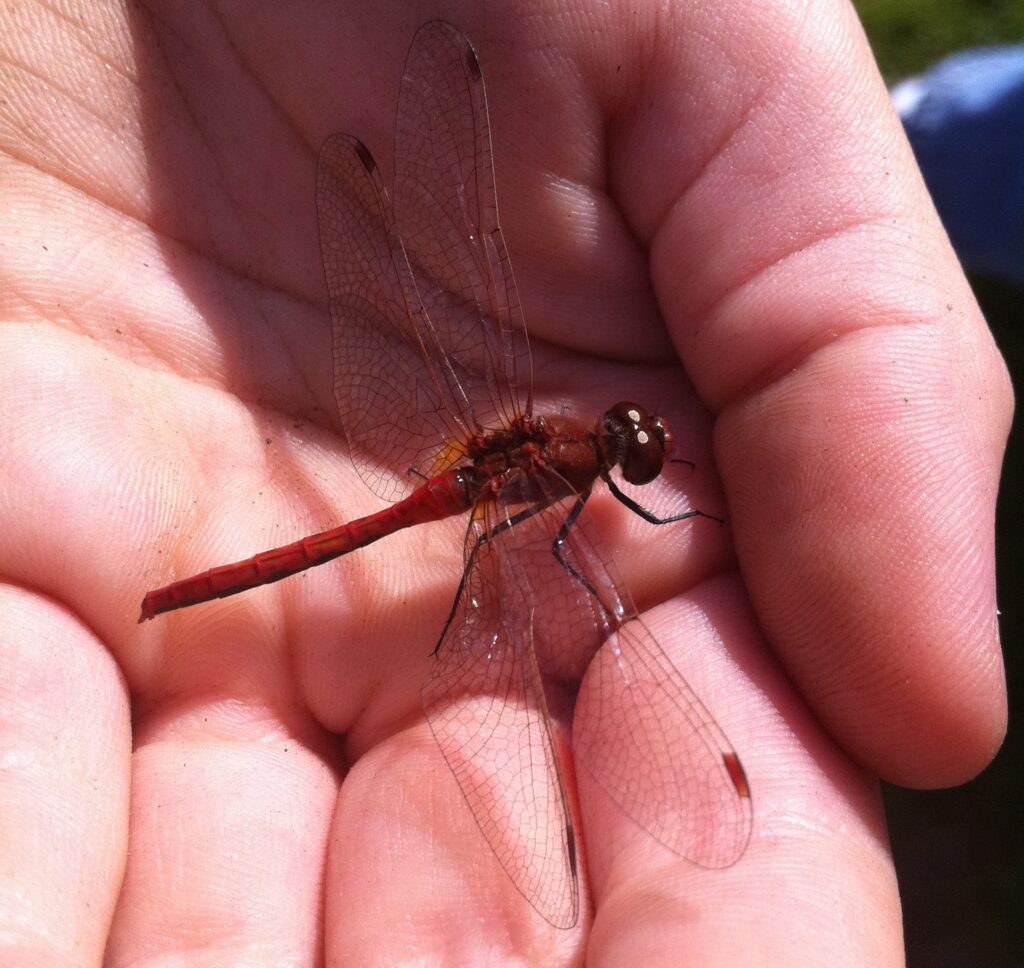
Dragonflies have interested me since my early childhood (and still ongoing) fascination with dinosaurs. So many of the illustrations in my myriad of dino books included swampy scenes with huge dragonflies swarming around, looking like fighter planes or helicopters. It wasn’t until many years later that I learned that the insects in those illustrations weren’t really dragonflies as we know them, but very distant ancestors.
Continue Reading →