A Season of Bees

by Skip Via
skip@westvalleynaturalists.org

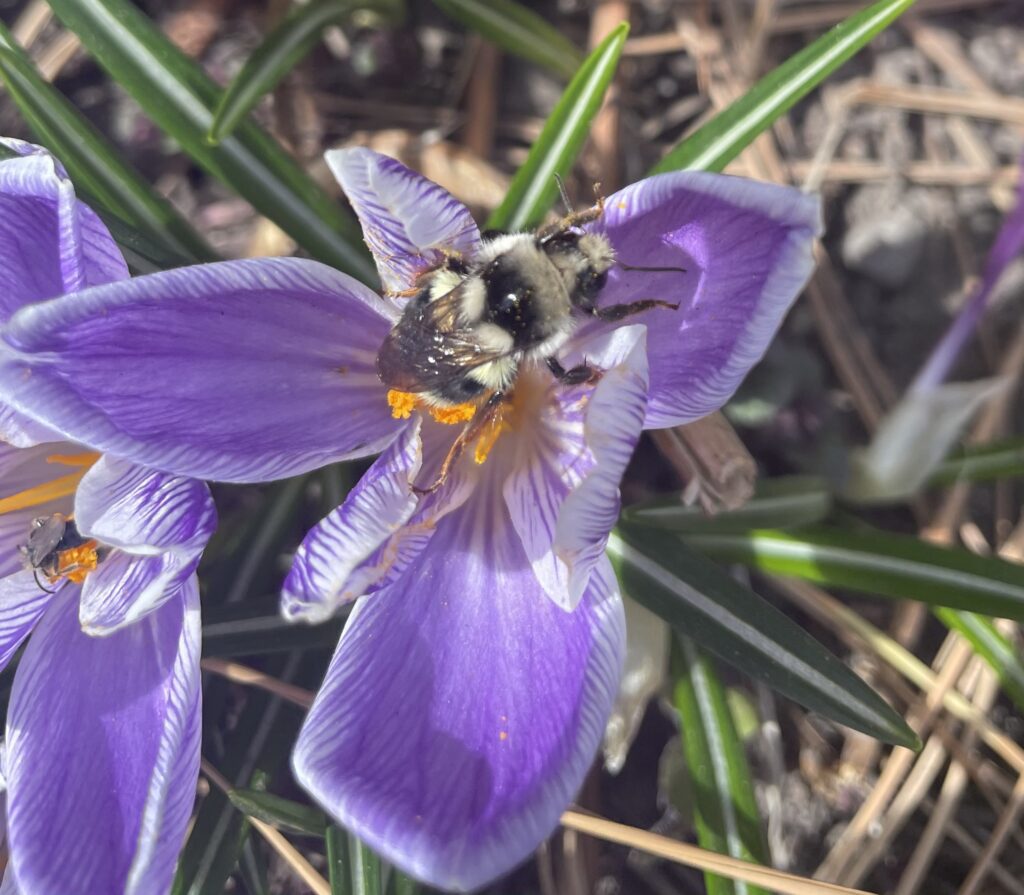
Tris Hoffman’s wonderful article A Very Special Bee (published here earlier this spring) prompted me to finally get serious about being able to identify a few of the plethora of native bee species we see here in the West Valley area of the Flathead. It’s an ongoing process, but with Tris’ help, iNaturalist, and other local and online sources, I’ve been able to catalog the following species this summer. It’s the tip of the iceberg, so to speak, given that Montana has more than 20 species of native bumblebees (not to mention the native sweat bees, miner bees, leaf cutter bees, mason bees, and others) but it’s a start.

Continue Reading →
White-lined Sphinx Moth

by Skip Via
skip@westvalleynaturalists.org

White-lined sphinx moths (Hyles lineata) are one of over a thousand varieties of sphinx moths, most of which occur in tropical zones. This one is common throughout most of Central America and North America to southern Canada. Hyles lineata is a type of hawk moth, but they are often called hummingbird moths because they resemble hummingbirds in appearance, size, and actions. They are generally common here in the valley, although their population numbers and locations vary from year to year.

Continue Reading →

A Western Bumblebee

By Skip Via
skip@westvalleynaturalists.org

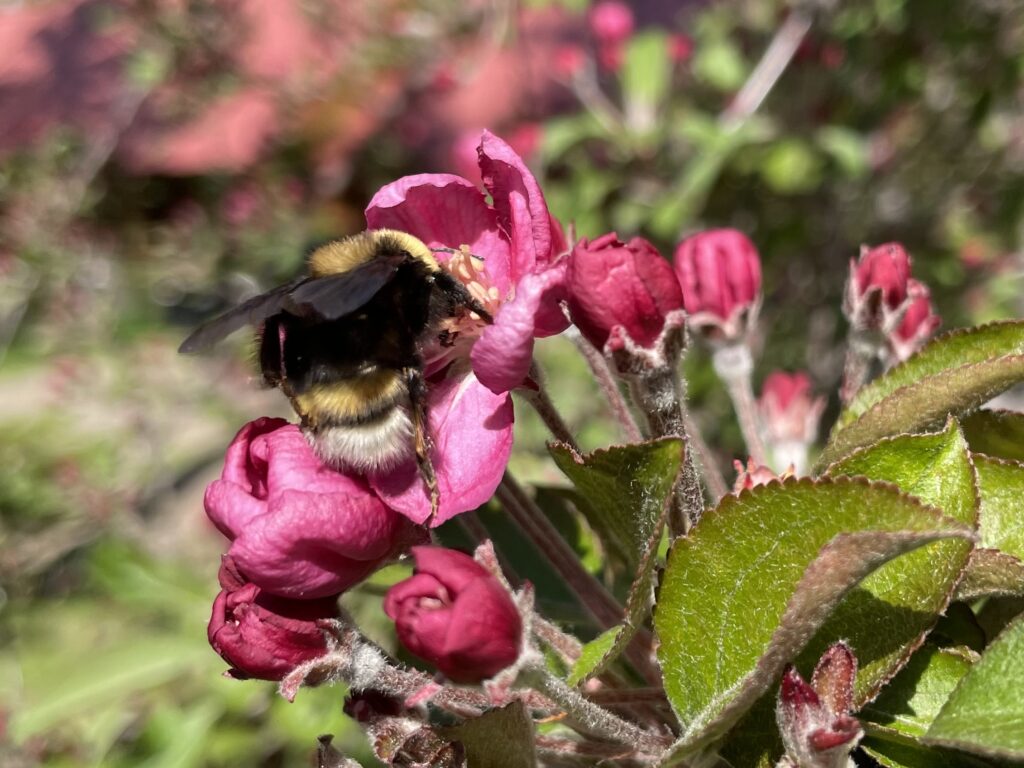
Ever since reading Tris Hoffman’s excellent post on the Western bumblebee (read it here: A Very Special Bee), I’ve been on the lookout for a specimen that I could photograph. Today, I found one jamming it’s head into the emerging blossoms of a crabapple tree in our yard. Here are the photos—read Tris’s post for information about it’s scarcity (the West Valley area is still a good place to see them) and ways to increase their numbers.

Continue Reading →

A Very Special Bumblebee

by Tris Hoffman, Flathead National Forest Weed Coordinator
silversagebrush@hotmail.com

The Western Bumblebee is a species that was once common and widespread throughout the western U.S. and Canada.  For a variety of reasons, both known and unknown, populations of this bee are in serious decline.  It has mostly vanished west of the Cascades.  Thankfully, West Valley is a place (perhaps a refuge?) where the bees may still be found.  

Continue Reading →

The Three Musketeers of Wasps

by Tris Hoffman, Flathead National Forest Weed Coordinator
silversagebrush@hotmail.com

Walt Disney got it wrong:  The bald-faced hornet

When Disney adapted A.A. Milne’s Winnie the Pooh into a cute animation, he made mistake.  If the “Bear of Very Little Brain” wanted honey, he should have looked for a large hollow tree. The illustrations in Milne’s original stories show Pooh climbing a large tree, but he is not going after the papery egg-shaped nest that the animated bear seems to obsess about.  Disney’s globular gray nest would never provide Pooh with honey, because that is a typical nest of a bald-faced hornet.

Continue Reading →