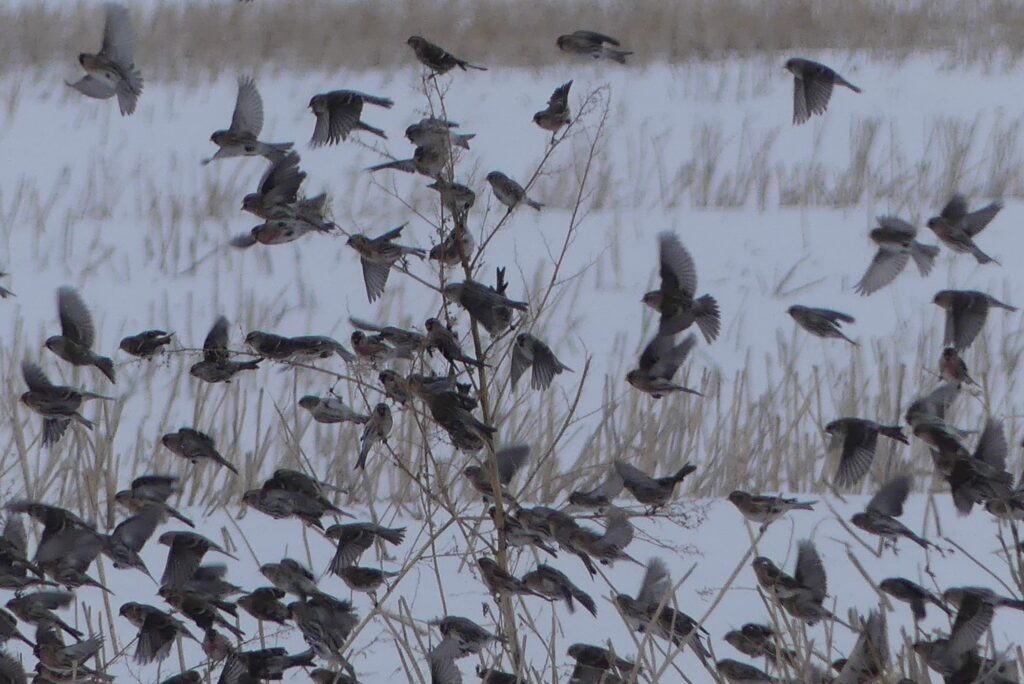
Northern winters can be tough!! Arctic temperatures, deep snow and ice-covered roads can be enough to send some of us south. Sometimes birds that typically live north of here head south, too, but it’s food shortages that prompt that decision, and they set out in search of better ‘pickings’ . Read on to see pictures of Redpolls, Evening Grosbeaks, Bohemian Waxwings, and White-winged Crossbills that I have seen here in recent years.
There are two common recommendations for maintaining and increasing the population of native bee species: plant native plants and provide a bee house of some kind so that the insects can overwinter or deposit their eggs and have a safe place for their larvae until the spring when they emerge. This article describes an attempt to do these as complementary processes.
When I first heard the word “gentian”, it was in reference to a veterinary medicine that I needed to apply to a cow I was tending. It was called “Gentian Blue” and although I had little understanding of its role in healing my bovine, it was the most intense blue I had ever seen! Subsequently, my appreciation of the various hues of blue have been in reference to the blue of that medicine. It was many years before I moved to the west where I saw my first flower in the Gentian family, and I was amazed to learn that the green plant I saw was a Gentian! (Frasera speciosa). That one doesn’t grow in the West Valley, but here are some I have encountered here.
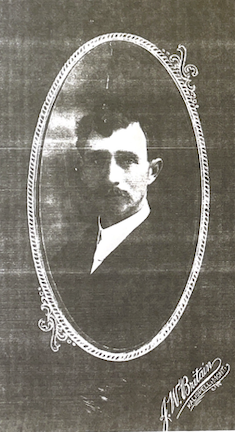
Edmond Kelley was born in Wyoming County, Pennsylvania, on April 18, 1860 and was educated and lived in Pennsylvania until coming to Montana in 1885, first locating in Butte and then moving to the Flathead Valley in 1887. He spent his first night in Somers. He was told that the valley farther up had some value as a range for cattle but of no value for farming. The next day he walked to the site that would later become Demersville.
John James Audubon described the diminutive (4.25″) Violet-green Swallow as “the most beautiful of all the genus hitherto discovered.” Indeed, there are few birds in our neighborhood that can compete when the sun illuminates the iridescent emerald green cape, amethyst and sapphire wings and back set off by a clean bright white belly, neck, and face. Read on for an account of one pair raising their young from a nest under the eaves.
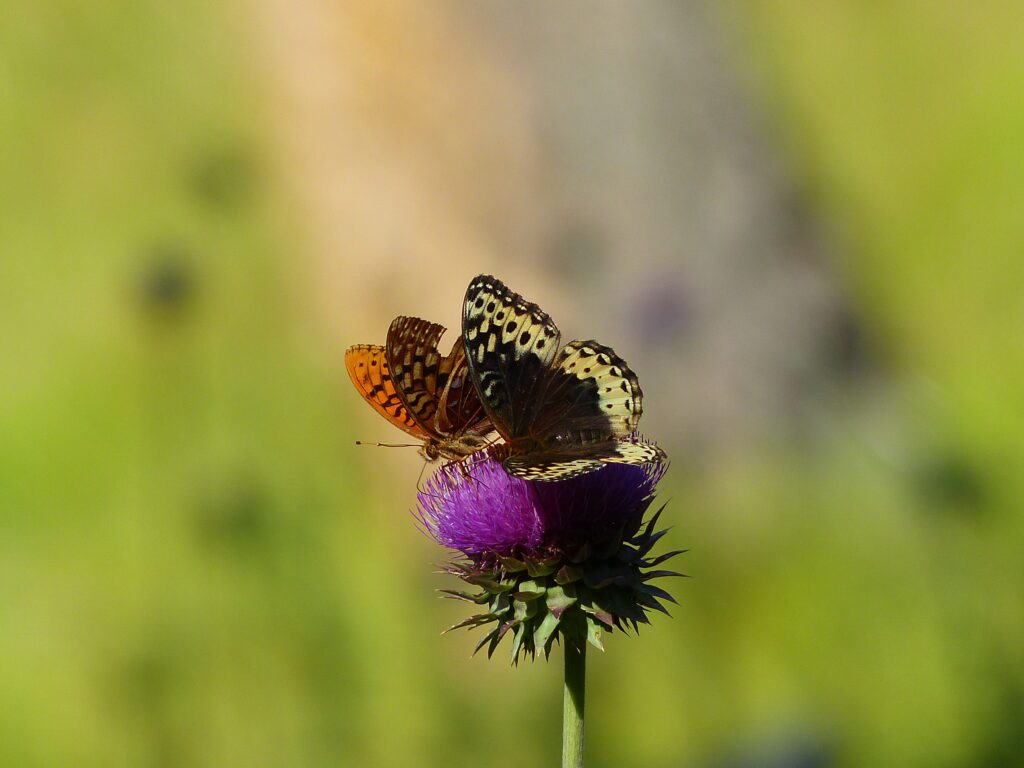
Great Spangled Fritillary butterflies on Musk Thistle (Carduus Nutans) 8..02.2020
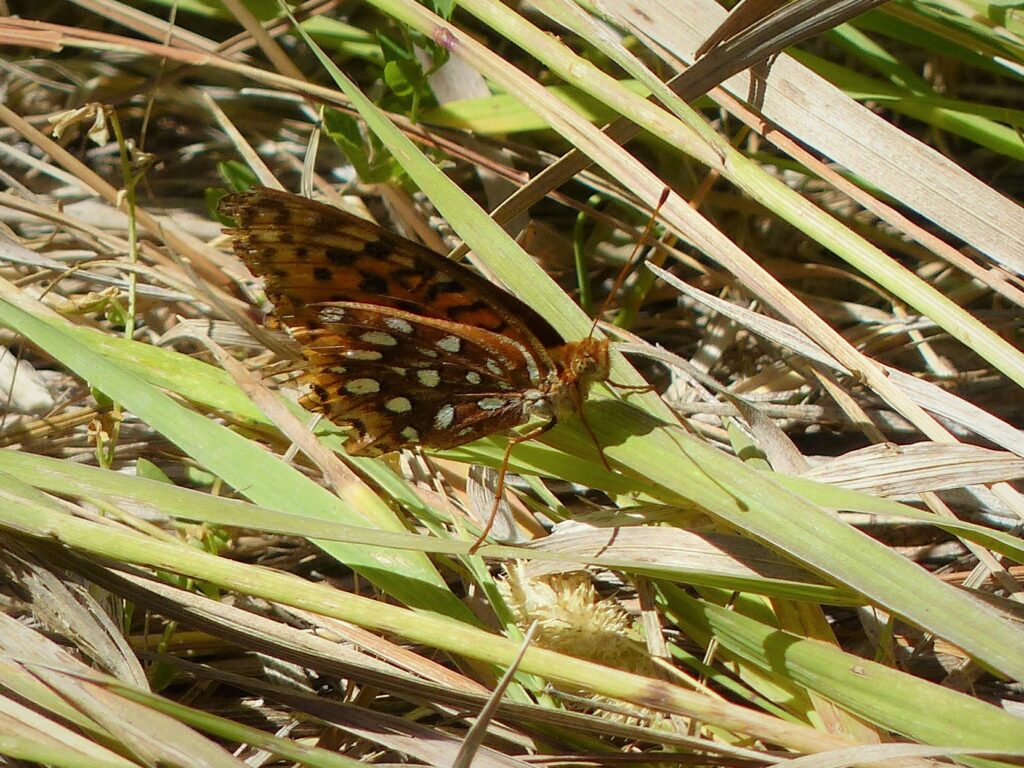
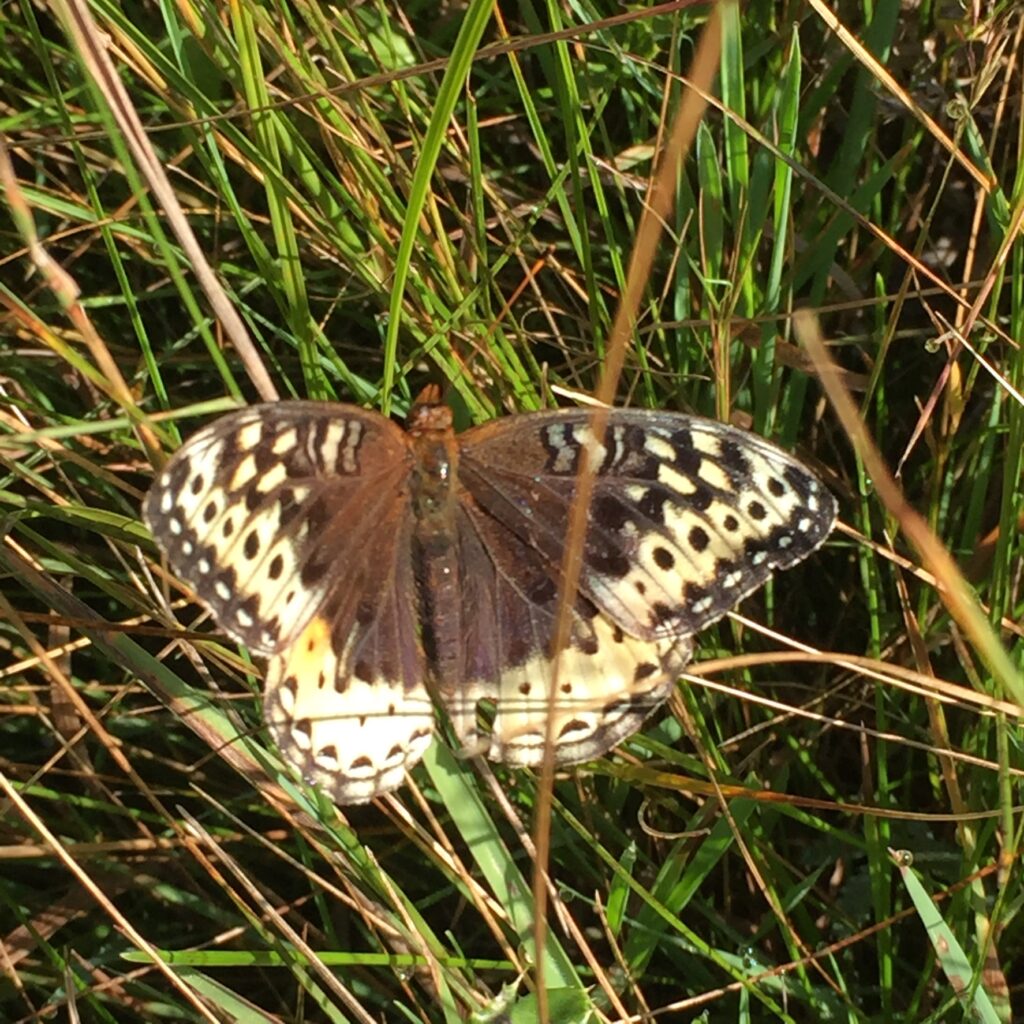
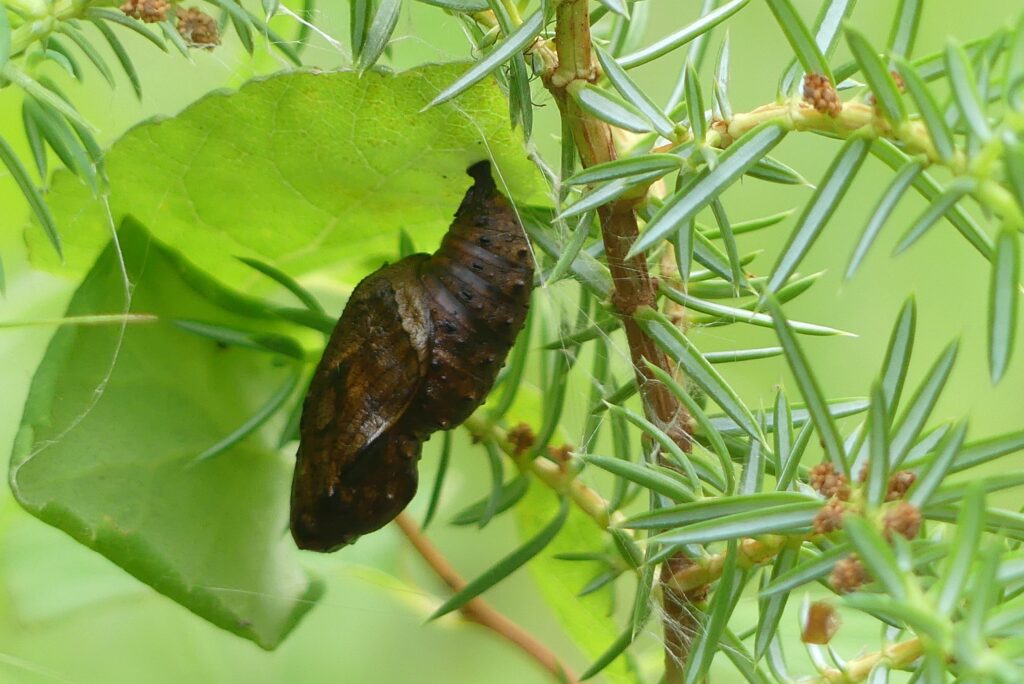
The male of this species is bright orange and brown; the female is brown with a patterned cream-colored border. The host plant for the Fritillary caterpillars is the violet. That’s where the female will lay her eggs, so you may see her spending a lot of her 14 – 45 day life seeking out violets. The eggs hatch in 10 to 15 days. The caterpillar will feed on violet leaves and overwinter in the protection of vegetation near violets; in spring it will continue to munch on the new violet leaves until it forms a chrysalis. It goes through its final transformation in about 2 to 3 weeks before hatching out as a butterfly.
Great Spangled Fritillary (male)Great Spangled Fritillary (Female) Chrysalis
This article has two purposes: to illustrate my July 2022 newsletter post about macro photography and to highlight one of the multitude of opportunities we have here in the valley to view nature’s wonders.
All of the photos in this post were taken during and just after a light rain in Happy Valley (see Locations) on June 21, 2022. For the photographically inclined, I was using the Halide app on an iPhone 12 Pro for the macro shots. Aside from cropping some shots, no additional editing or filters were used. What you see is exactly what came out of the camera. Please notice the minute detail that can be captured with macro photography–the raindrops on the mariposa lilies, the feathered edges of the tailed-blue butterfly’s wings, the fuzzy leaves and stem of the cinquefoil, the backlighting on the forget-me-nots, etc. It’s a whole new world down there at the macro level. Also notice that the backgrounds of most shots are blurred. This is called the “bokeh effect” and it’s a natural function of macro photography, which uses a shallow depth of field. It does make for some dramatic photos, calling attention to your subject matter.
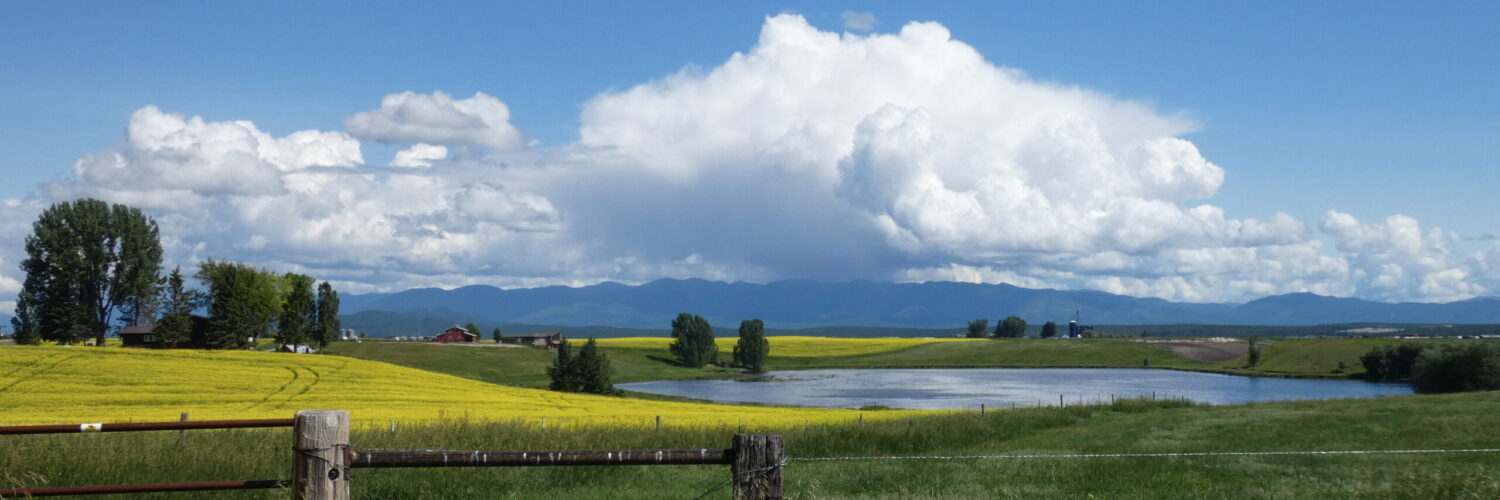
July is filled with awe-inspiring sights; it is hard to decide what is most representative of the month. Fields, forest, hilltops, and more. . .read on to see some of the sights I’ve enjoyed in this busy month.
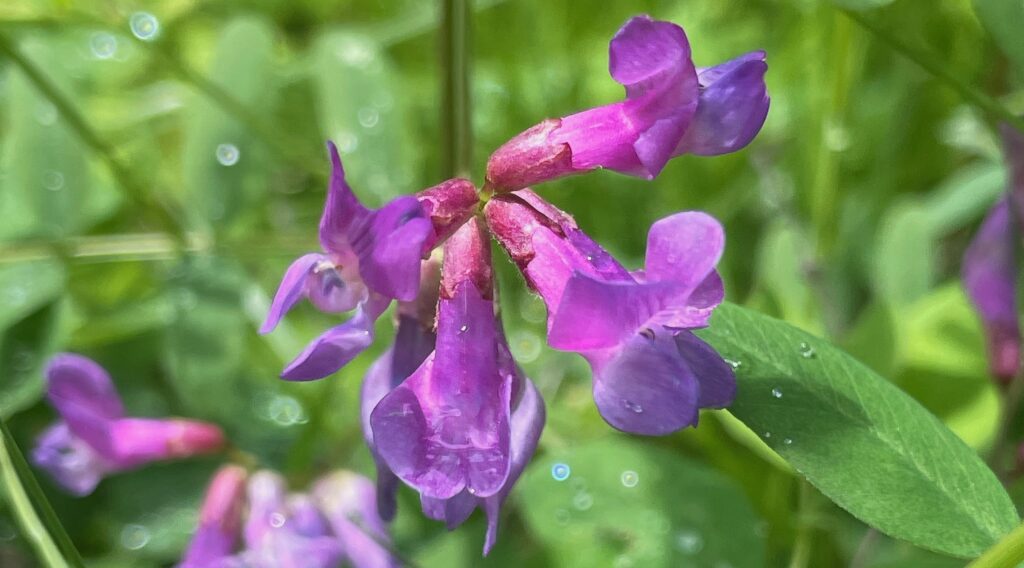
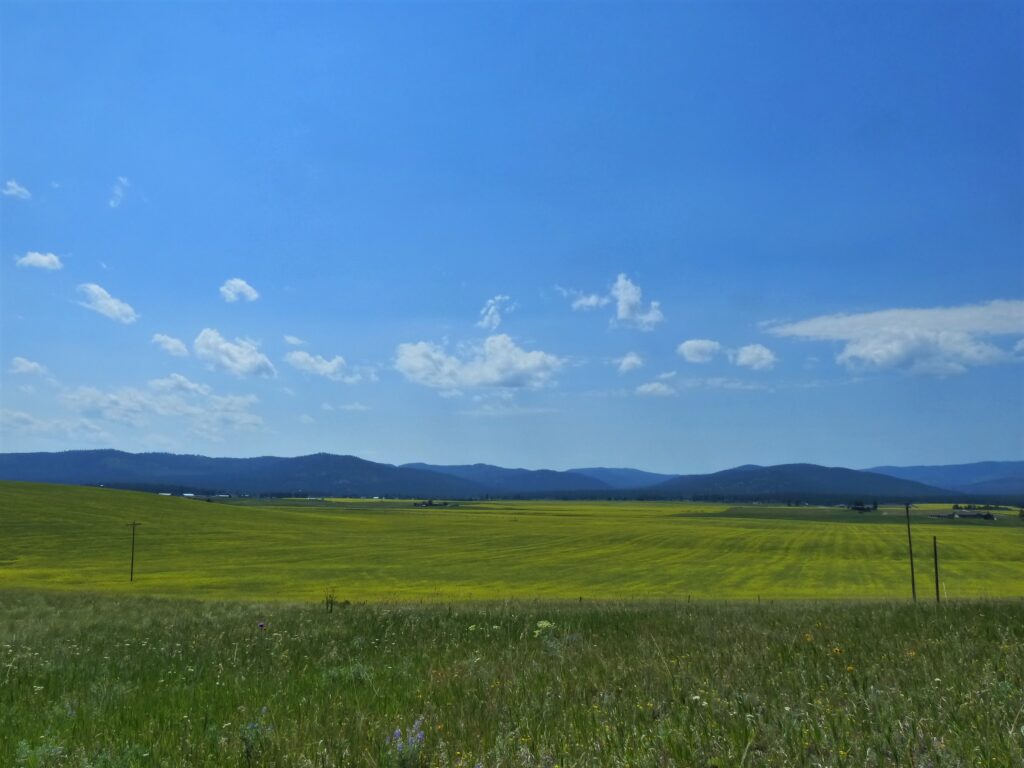
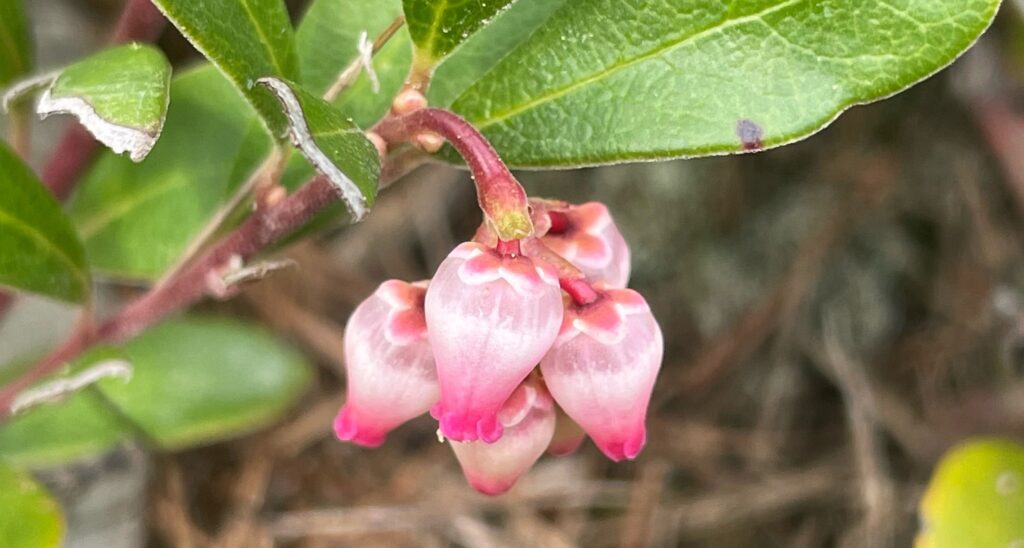
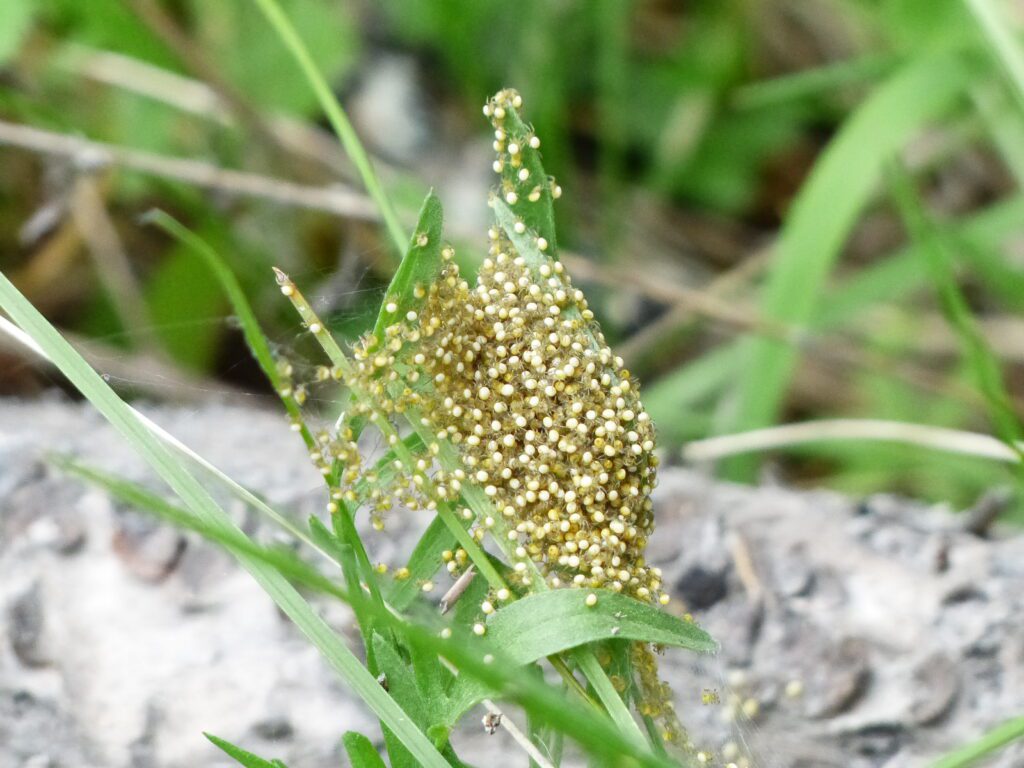
Despite our fits-and-starts beginning to spring here in the valley, it looks like we’re in for another glorious season of wildflowers. I spent last week looking for emerging blossoms and this photo essay is reflective of what I encountered. It’s just another reminder of the beauty and complexity that lies beneath our feet in these parts.
All photos were taken in and around West Valley. Pairs of images were shot at the same location on the same day.
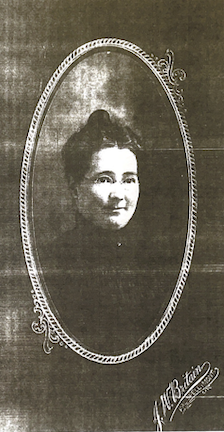
My great grandparents Frank and Ida Stiles moved to Kalispell in 1901, from Corona, South Dakota where Frank was a farmer, school teacher and a member of the House of Representatives. They packed everything they owned including farm machinery into a boxcar and made their way to the Flathead Valley, bringing with them their four children, my grandfather T. Milton being the youngest.
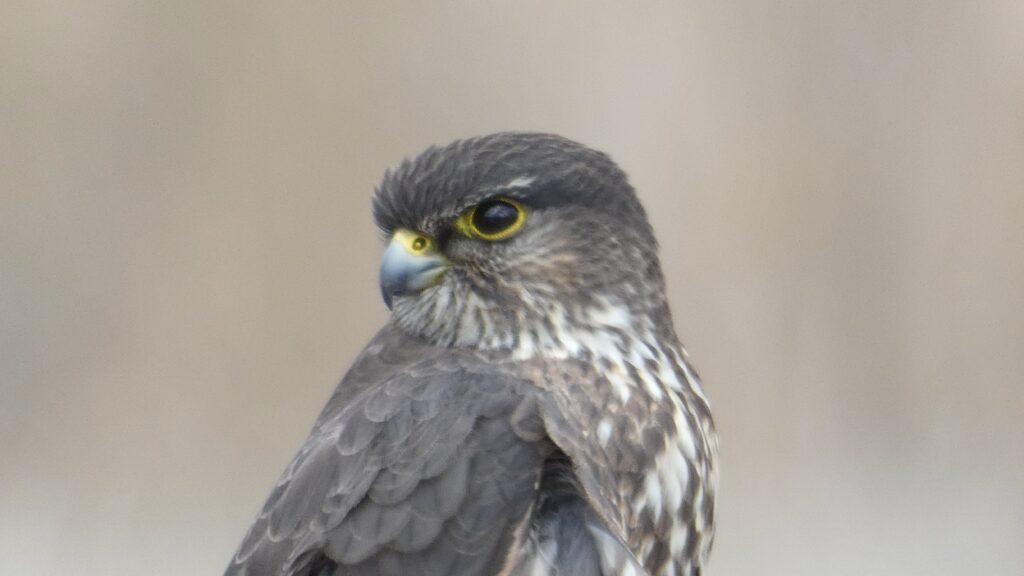
There are five species of falcons that live in North America, and West Valley plays host to all of them at some point in the year. If you’re observant (and quick, as falcons tend to spook easily), you may be fortunate enough to see them all.
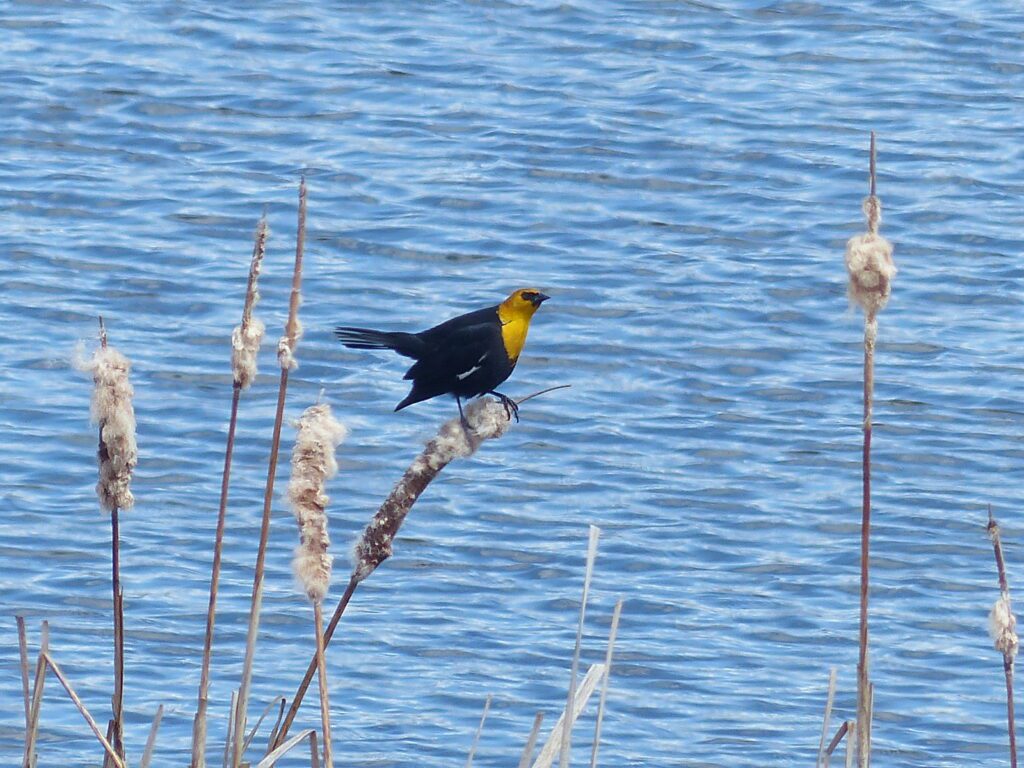
Nothing shouts out, “It’s Spring! I’m back! quite as loudly as a Yellow-headed Blackbird. But so many things announce the season in their own style. Maybe you’ll find your favorite among the following selection.
Walter Parke Jaquette was one of the Flathead’s early pioneers. He was born October 16, 1863 in Oxford, Pennsylvania to Peter and Eleanor Jaquette.
Walter was from a very prominent Pennsylvania family. His great great grandfather Maj. Peter Jaquette served under Washington during the Revolutionary war. His great grandfather Capt. Peter Jaquette organized and furnished a great extent of company horses for the military. His father Peter L. Jaquette was a veteran of the Civil War and was at the White House when President Lincoln was assassinated.